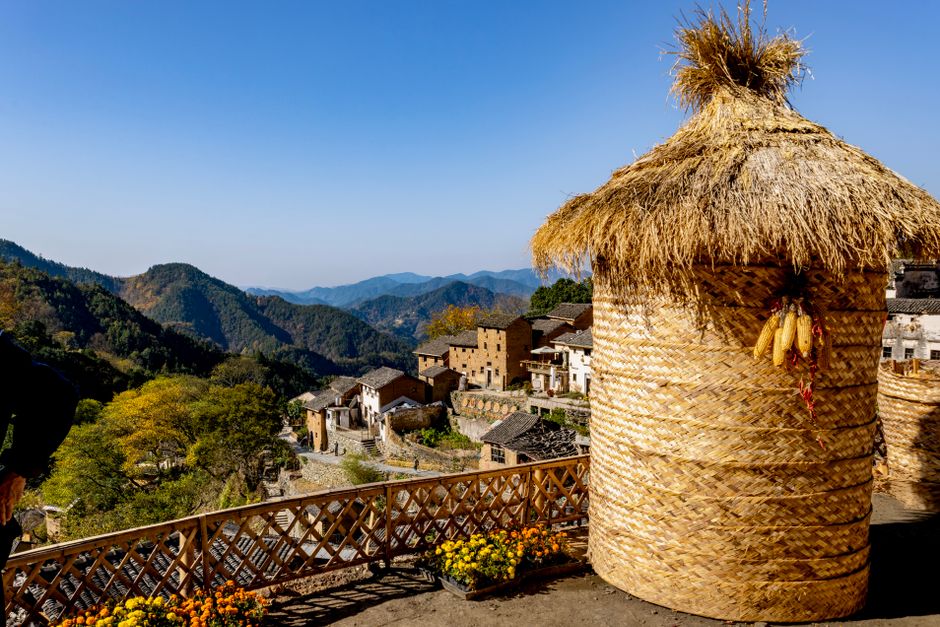


Huizhou culture (徽州文化, Huīzhōu wénhuà) is one of China’s most distinct regional civilizations, blending Confucian ideals with merchant pragmatism over a remarkable 800-year history. For heritage enthusiasts, it offers a rare window into Ming and Qing dynasty life through preserved villages, intricate architecture, and rich archives. This resource guide curates the most accessible and authoritative materials, from UNESCO sites to digital libraries, ensuring both newcomers and scholars can delve into a culture that has shaped East China’s identity.
Key Historical Sites and UNESCO Treasures
Anhui’s Huizhou region contains three UNESCO World Heritage sites that are non-negotiable for any serious enthusiast. The ancient villages of Xidi (西递, Xīdì) and Hongcun (宏村, Hóngcūn) present over 140 well-preserved residential buildings dating from the 14th to the 20th centuries, many featuring the hallmark horse-head walls (马头墙, mǎtóu qiáng). Mount Huangshan (黄山, Huángshān), also a UNESCO site, complements these cultural landmarks with granite peaks and pine forests that inspired countless Huizhou painters.
For deeper context, the Huizhou Ancient City (徽州古城, Huīzhōu gǔchéng) in Shexian County contains structures from the Song dynasty onward, including the 600-year-old Xu Guo Stone Archway (许国石坊, Xǔ Guó shífāng). The entire region holds over 1,000 officially protected cultural relics, making field visits indispensable. A practical tip: reserve at least two days for Xidi and Hongcun, as the interplay of architecture and local museum exhibits (like the Hongcun Folk House) demands careful observation.
Annual visitor numbers exceed 5 million for these sites combined, so plan off-peak visits (April–May or September–October) for a contemplative experience. Many heritage enthusiasts also combine these with the Chengkan Village (呈坎, Chéngkǎn) known for its 700-year-old layout based on the I Ching, and Tangmo (唐模, Tángmó) with its elegant water gardens.
Essential Literature and Research Resources
Huizhou culture is exceptionally well-documented thanks to the region’s merchant-literati tradition. The Huizhou Genealogies (徽州谱牒, Huīzhōu pǔdié) collection at Anhui University holds over 2,000 clan records, providing unmatched detail on social structure, migration, and economic life. For English readers, the 1993 book Huizhou: The Making of a Chinese Merchant Culture by David Faure remains a standard introduction, covering the rise of merchant networks that dominated Ming-Qing trade.
Digital resources are equally vital. The Anhui Provincial Library hosts the Huizhou Digital Archive (徽州数字档案, Huīzhōu shùzì dàng‘àn), a free online repository with over 30,000 scanned pages of land contracts, tax ledgers, and legal documents. This is a goldmine for researchers tracing property rights or everyday life. Additionally, the Journal of Huizhou Studies (徽学研究, Huīzhōu xué yánjiū) publishes annual collections; the past ten volumes include over 200 peer-reviewed articles on architecture, genealogy, and folk religion.
For those wanting a visual reference, the photo book Huizhou: Architecture and Landscape (by Zhang Wei, 2018) captures 120 buildings with floor plans and cultural annotations. Libraries in Shanghai and Beijing carry copies, but Amazon China’s Kindle store also sells a digital version. Finally, the Huizhou Culture Museum (徽州文化博物馆, Huīzhōu wénhuà bówùguǎn) in Tunxi publishes an annual research report with over 300 pages of excavation findings and artifact descriptions.
Digital Resources and Cultural Institutions
Beyond libraries, a handful of museums and online portals are indispensable. The Anhui Museum (安徽博物院, Ānhuī bówùyuàn) in Hefei dedicates an entire wing to Huizhou culture, displaying over 1,500 artifacts including inkstones, woodcarvings, and Hui-style furniture. Its virtual tour (accessible via the museum’s website) offers 360° views of 50 key exhibits — a godsend for remote enthusiasts.
Another critical institution is the Huizhou Folk Customs Museum (徽州民俗博物馆, Huīzhōu mínsú bówùguǎn) in Huangshan city, which recreates traditional wedding and funeral ceremonies and holds over 500 daily-life objects from the Qing dynasty. For academic networking, the Huizhou Studies Association (徽学研究会, Huīzhōu xué yánjiūhuì) hosts triennial conferences; their latest event (2024) drew 180 scholars from 12 countries. Membership is free for non-Chinese academics upon application.
Online, the China National Knowledge Infrastructure (CNKI) database contains over 2,500 Huizhou-related theses and journal articles (search keyword “Huizhou” in English or Chinese). A list of freely available PDFs is also maintained by the Digital Huizhou Project (数字徽州, Shùzì Huīzhōu), an NGO that has digitized 8,500 historical photographs and 3,000 architectural drawings since 2010. Their website includes a forum where heritage enthusiasts can ask experts questions.
Practical Travel and Learning Opportunities
For hands-on engagement, consider structured programs. The Huizhou Cultural Heritage Workshop (徽州文化遗产工作坊, Huīzhōu wénhuà yíchǎn gōngzuòfáng) in Shexian offers 3-day intensive courses in inkstone carving and woodblock printing, taught by master craftsmen with over 30 years of experience. The fee (around $400) includes materials and accommodation in a restored Ming courtyard.
Festivals also provide immersive learning. The Huizhou Folk Art Festival (徽州民间艺术节, Huīzhōu mínjiān yìshù jié) held every September in Yixian County features over 100 performers and demonstrations of paper-cutting, embroidery, and Nuo opera. It attracted 12,000 visitors in 2023. For a deeper dive, the Anhui Traditional Villages Study Tour (organized by the Anhui Academy of Social Sciences) runs 10-day trips to 6 villages, with lectures by leading scholars — starting at ¥8,000 (about $1,100) per person.
Finally, remote enthusiasts can access the Huizhou Architecture 3D Model Collection on Sketchfab, featuring over 40 reconstructions of gates, halls, and ancestral temples. This free resource is especially useful for those unable to travel. For self-study, the MOOC course “Huizhou Culture and Chinese Civilization” on the XuetangX platform has enrolled over 16,000 learners since 2021, with English subtitles available.
NEXT STEPS: Three Decision-Path Recommendations
- Plan a focused heritage trip: Allocate at least 5 days to visit the UNESCO villages of Xidi and Hongcun, plus the Huizhou Ancient City and Chengkan Village. Combine with the Huizhou Culture Museum and a workshop at the Shexian craft center. This provides the best physical immersion in architecture and living traditions.
- Access the Huizhou Digital Archive: Start with the free Huizhou Digital Archive at the Anhui Provincial Library and the Digital Huizhou Project’s photo collection. These give immediate access to primary sources without travel. Then proceed to CNKI for academic papers; use English keywords if needed. This recommendation suits researchers and serious enthusiasts.
- Enroll in an online or in-person learning program: Choose the MOOC course if you want a structured overview, or the 3-day inkstone workshop for hands-on skills. If you are a scholar, apply for the next Huizhou Studies Association conference to network and present work. This path builds deep expertise over time.
— Anhui Gateway —