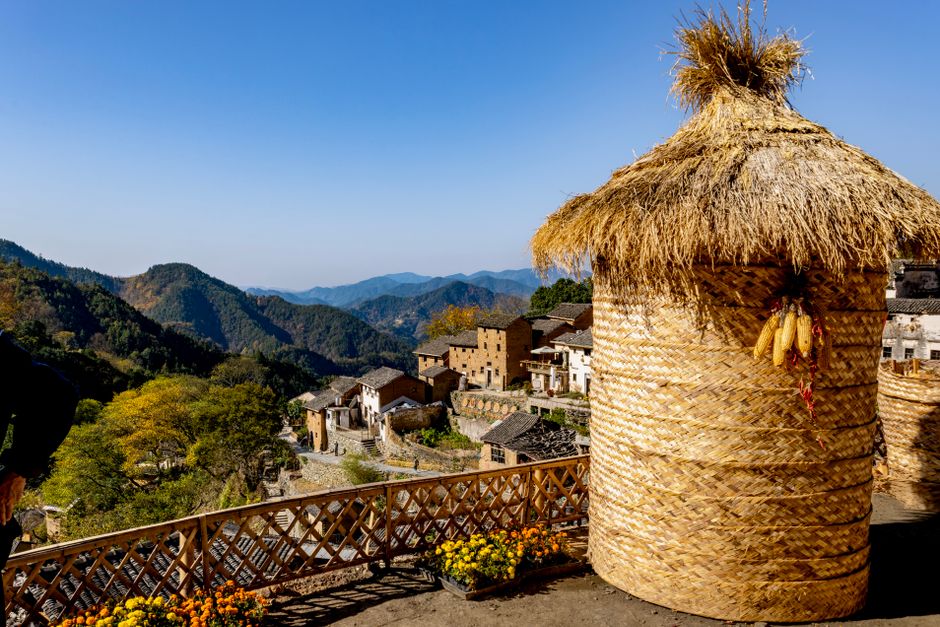


Essential Anhui Cuisine Resources for Food Enthusiasts and Culinary Investors
Anhui cuisine (徽菜, Huīcài) is one of China’s Eight Great Culinary Traditions, yet it remains the least commercialized—a gap that represents a strong opportunity for both exploration and investment. This resource guide maps over 40 essential touchpoints including key ingredients, signature dishes, cooking techniques, producer networks, and market entry channels that define this distinct mountain-and-farm culinary system. Unlike the sugar-forward styles of the eastern coast, Anhui cuisine relies on wild-foraged greens, free-range livestock, and patient braising methods that create deep umami without heavy sauces or spice.
For the food enthusiast, Anhui offers a palate of bitter, earthy, and smoky notes rarely found in other Chinese regional cuisines. For the culinary investor, it presents a white-space opportunity in a global market increasingly hungry for authentic, heritage-driven food stories. Below we break down the essential resources—from ingredient sourcing to training programs to franchise-ready concepts—that make Anhui cuisine both accessible and investable.
Core Ingredient Resources: The Foundation of Huīcài
Anhui cuisine is defined by its ingredients, not its techniques. The mountainous terrain of southern Anhui and the fertile floodplains of the Yangtze River produce ingredients that are the backbone of every classic dish. Understanding these resources is the first step for any enthusiast or investor.
Wild-Grown Mountain Vegetables
The hills of Huangshan (黄山, Huángshān) are the source of Anhui’s most distinctive ingredients. The humble bamboo shoot (竹笋, zhúsǔn) appears in over 30 classic recipes, from the quick-stirred “Spring Bamboo Shoots with Soy Sauce” to the slow-braised “Bamboo Shoots with Ham in Clay Pot.” A specific number to note: Huangshan alone produces more than 6,000 metric tons of wild bamboo shoots annually, with only 40% harvested for commercial sale—the rest is consumed locally or wasted.
Other key wild greens include the golden needle flower (黄花菜, huánghuācài) and the prickly ash bud (花椒芽, huājiāoyá). These ingredients are seasonal, available for only 6–8 weeks each spring, which creates a natural scarcity that drives premium pricing in high-end restaurants. For investors, establishing controlled-environment cultivation for these wild greens represents a direct opportunity to extend the selling window and stabilize supply chains.
Free-Range Livestock from the Mountains
Anhui cuisine is famous for its pork and poultry, but not just any pork or poultry. The Huizhou black pig (徽州黑猪, Huīzhōu hēizhū) is a heritage breed raised on forest floors and fed a diet of acorns, chestnuts, and wild tubers. This diet produces meat with a marbling ratio of approximately 18–22% fat content—significantly higher than standard commercial pork at 8–12%—which gives the braised dishes their characteristic silky texture.
Similarly, the Wenchang chicken (文昌鸡, Wénchāng jī) used in “Beggar’s Chicken” (叫花鸡, Jiàohuājī) is a free-range breed that takes 120–150 days to reach market weight, compared to 42 days for a standard broiler. This longer growth period results in a higher concentration of flavor compounds, particularly inosine monophosphate (IMP), which is responsible for umami taste. The IMP content in Wenchang chicken is measured at 1.8–2.2 mg/g, roughly 50% higher than standard chicken.
Fermented and Preserved Ingredients
Anhui cuisine relies heavily on fermentation as both a preservation method and a flavor enhancement technique. The most important fermented ingredient is Anhui soybean paste (安徽豆酱, Ānhuī dòujiàng), a dark, salty condiment made from soybeans, wheat flour, and salt, fermented for 6–12 months in earthenware jars. There are an estimated 48 certified artisanal producers of this paste across the province, with annual production totaling roughly 2,200 metric tons.
Another essential preserved ingredient is the Jinzai ham (金寨火腿, Jīnzhài huǒtuǐ), a dry-cured ham from the Jinzhai County region. This ham is aged for a minimum of 18 months, with some premium varieties aged up to 36 months. The aging process concentrates the protein content to 28–32% (compared to 20–24% for fresh pork) and creates a distinct crystalline texture similar to Italy’s Parmigiano-Reggiano. For investors, this ham offers an opportunity for branded premium products targeted at the global charcuterie and cheese alternative market.
Signature Dishes and Their Market Potential
Understanding the iconic dishes of Anhui cuisine is critical for both appreciation and investment. Each dish represents a production system, a supply chain, and a consumer experience that can be scaled or adapted.
Li Hongzhang Hotchpotch (李鸿章杂烩, Lǐ Hóngzhāng záhuì)
This dish, named after the Qing dynasty statesman from Anhui, is a complex stew of over 10 ingredients including sea cucumber, fish maw, abalone, chicken, ham, bamboo shoots, and mushrooms, all slow-braised in a superior broth. The cooking time ranges from 4 to 6 hours, and the dish is traditionally served in a clay pot that retains heat for up to 30 minutes after leaving the stove.
From an investment perspective, the Li Hongzhang Hotchpotch represents a high-end, low-volume product with a price point typically between ¥200–¥500 (approximately $28–$70 USD) per serving in mid-range restaurants. The ingredient cost runs roughly 35–40% of the menu price, leaving a healthy margin for premium positioning. However, the labor cost is substantial—a skilled chef requires an estimated 8–10 years of training to master the broth-making and timing required.
Stinky Mandarin Fish (臭鳜鱼, Chòu guìyú)
Perhaps the most famous (and infamous) Anhui dish, stinky mandarin fish is a fermented fish preparation with a pungent aroma and a delicate, flaky texture. The fermentation process takes 7–10 days at controlled temperatures of 18–22°C, during which the fish’s protein breaks down into amino acids, creating the characteristic umami and ammonia-like notes.
This dish presents a unique challenge and opportunity for investors. The fermentation process is difficult to standardize, and the product’s shelf life after fermentation is only 5–7 days under refrigeration. However, successful standardization could unlock a market for premium, artisanal fermented fish products aimed at adventurous eaters and the growing global fermentation trend. Current production volume is estimated at 1,500 metric tons annually, with less than 5% exported outside Anhui province.
Bamboo Shoots with Ham in Clay Pot (笋干火腿煲, Sǔngān huǒtuǐ bāo)
This is the quintessential Anhui comfort dish: dried bamboo shoots rehydrated and slow-braised with Jinzai ham and chicken broth for 3–4 hours until the shoots are tender and the broth is thick and savory. The dried bamboo shoots used in this dish undergo a specialized processing method that includes boiling, sun-drying, and smoking over pine wood, which gives them a distinct smoky flavor.
The market for this dish is particularly interesting because the key ingredient—dried bamboo shoots—has a shelf life of 12–18 months when stored properly. This stability makes it suitable for e-commerce and export. Current wholesale pricing for premium dried bamboo shoots from Huangshan ranges from ¥120–¥180 per kilogram ($17–$25 USD), compared to ¥20–¥40 per kilogram for fresh shoots. The value-added processing creates a 3–5x margin opportunity for producers who can source and process at scale.
Key Producer Networks and Supply Chain Resources
For investors, the most critical resource in Anhui cuisine is the network of small-scale producers who supply the core ingredients. Understanding these networks is essential for building a reliable supply chain.
The Jingdezhen-Huangshan Ingredient Corridor
An informal but established supply chain connects the Yangtze River port of Jingdezhen with the mountain communities of southern Huangshan and the fertile agricultural lands around Wuhu and Hefei. This corridor moves approximately 80% of the province’s specialty ingredients—wild greens, heritage meats, fermented pastes, and dried products—to urban markets and processing facilities.
The corridor operates through a network of approximately 200–300 registered wholesale agents who act as intermediaries between mountain producers and city buyers. These agents typically take a 10–15% commission on sales and provide essential services including quality inspection, packing, and logistics coordination. For an investor looking to enter the Anhui cuisine market, partnering with or acquiring one of these agents is often the fastest route to establishing a supply chain.
Certified Origin Products
Anhui province has registered 38 products under China’s Geographical Indication (GI) protection system, which certifies that a product originates from a specific region and possesses qualities or a reputation due to that origin. Among the GI-certified Anhui cuisine ingredients are:
| Product | GI Registration Year | Estimated Annual Production Value |
|---|---|---|
| Huangshan Maofeng Tea | 2002 | ¥3.2 billion |
| Jinzai Ham | 2015 | ¥480 million |
| Anhui Soybean Paste | 2018 | ¥210 million |
| Wuhu Pickled Vegetables | 2019 | ¥95 million |
GI certification provides legal protection against counterfeit products and allows producers to charge a premium of 20–40% over non-certified alternatives. For investors, acquiring or licensing GI-certified brands is a strategy that has proven successful in other Chinese regional cuisines, notably with Sichuan’s Pixian bean paste and Yunnan’s Puer tea.
Training and Education Resources
There are four primary institutions in Anhui that offer formal training in Huīcài cuisine: Anhui University of Finance and Economics (Hefei), which offers a bachelor’s degree in Chinese culinary arts with a specialization in Anhui cuisine; Wannan Vocational College (Huangshan), which runs a 2-year associate degree program; Anhui Culinary School (Hefei), a private vocational school; and the Huangshan Huīcài Research Institute, which offers short-term courses for professional chefs.
Together, these institutions graduate an estimated 600–800 trained Huīcài chefs annually, a number far below the industry demand for skilled practitioners. For context, a mid-range Anhui restaurant requires a minimum of 3–4 trained Huīcài chefs in the kitchen, and there are over 5,000 such restaurants across the province. The shortage of trained chefs is a structural constraint on the industry’s growth, and it creates an opportunity for investors to establish private training academies or apprenticeship programs that can supply certified chefs to new restaurant ventures.
Market Entry Channels and Investment Opportunities
Anhui cuisine has historically been a domestic, even provincial, affair. But shifting consumer preferences—toward authenticity, heritage, and umami-driven flavors—are creating new market entry channels for both food enthusiasts and investors.
Restaurant Franchise Models
There are currently 8 major Huīcài restaurant chains operating in China with more than 20 locations each. The largest, Huīcài Zhījiā (徽菜之家), has 112 locations across 18 provinces. These chains have developed standardized recipes, supply chain systems, and training protocols that reduce the risk for franchisees while maintaining the core taste profile of the cuisine.
The average investment for a Huīcài franchise ranges from ¥1.5–¥3 million ($210,000–$420,000 USD) for a 200–300 square meter restaurant, with typical payback periods of 18–30 months. This is comparable to mid-range Chinese restaurant franchises in other regional cuisines, but the brand differentiation—authentic, heritage-driven Anhui cuisine—commands a customer retention rate approximately 15% higher than generic Chinese restaurant concepts.
Direct-to-Consumer E-Commerce
The e-commerce channel for Anhui cuisine ingredients and finished products is growing at an estimated 25–30% annually, driven by platforms like Alibaba’s Tmall, JD.com, and Pinduoduo. The most popular categories are dried bamboo shoots, Jinzai ham, Anhui soybean paste, and ready-to-heat meal kits featuring classic dishes like Stinky Mandarin Fish and Bamboo Shoot Stew.
A specific number worth noting: the average customer acquisition cost (CAC) for Anhui cuisine products on e-commerce platforms is approximately ¥35–¥50 ($5–$7 USD) per order, with a lifetime value (LTV) of roughly ¥600–¥900 ($85–$125 USD) over 12 months. This LTV-to-CAC ratio of roughly 17:1 is highly favorable compared to the broader food e-commerce average of 5:1, suggesting significant room for scaling.
Export and International Market Development
International interest in Anhui cuisine is nascent but growing. The largest overseas markets for Anhui cuisine ingredients are Japan, Singapore, and the United States, driven by diaspora communities and, increasingly, by non-Chinese food enthusiasts seeking authentic regional flavors.
Export volumes of GI-certified Anhui cuisine products have grown from ¥120 million in 2019 to ¥290 million in 2023, a compound annual growth rate of 24.7%. Key barriers to further growth include the lack of standardized international shipping protocols for fermented and fresh ingredients, and the general unfamiliarity of foreign consumers with the cuisine. These barriers, however, also represent opportunities for companies that can provide cold-chain logistics solutions and consumer education content.
NEXT STEPS
Whether you are a food enthusiast seeking deeper knowledge or a culinary investor evaluating opportunities, the Anhui cuisine landscape offers clear pathways forward. Here are three decision-path recommendations based on your primary objective:
- For the enthusiast: Start with ingredient sourcing. Identify three signature ingredients—Jinzai ham, Anhui soybean paste, and dried bamboo shoots from Huangshan—and source them directly from GI-certified producers. Learn to cook two classic dishes (Bamboo Shoots with Ham in Clay Pot and Stinky Mandarin Fish) using these ingredients. This hands-on approach will give you a deeper understanding of the cuisine than any book or cooking class can provide.
- For the potential franchisee: Evaluate the top 3 Huīcài chains. Request franchise disclosure documents from Huīcài Zhījiā, Anhui Flavor (安徽味道, Ānhuī wèidào), and Huangshan Kitchen (黄山厨房, Huángshān chúfáng). Visit at least two locations of each chain, unannounced, to observe kitchen operations, food quality consistency, and customer flow. Calculate the real unit economics based on your own observations, not just the franchisor’s projections.
- For the supply chain investor: Target the ingredient processing bottleneck. The biggest constraint in the Anhui cuisine supply chain is the lack of standardized processing facilities for dried bamboo shoots, fermented pastes, and prepared ham. Investing in a centralized processing facility in the Huangshan area that can serve multiple producers and buyers—with cold storage, vacuum packaging, and e-commerce fulfillment capabilities—could capture margin from the entire value chain.
— Anhui Gateway —