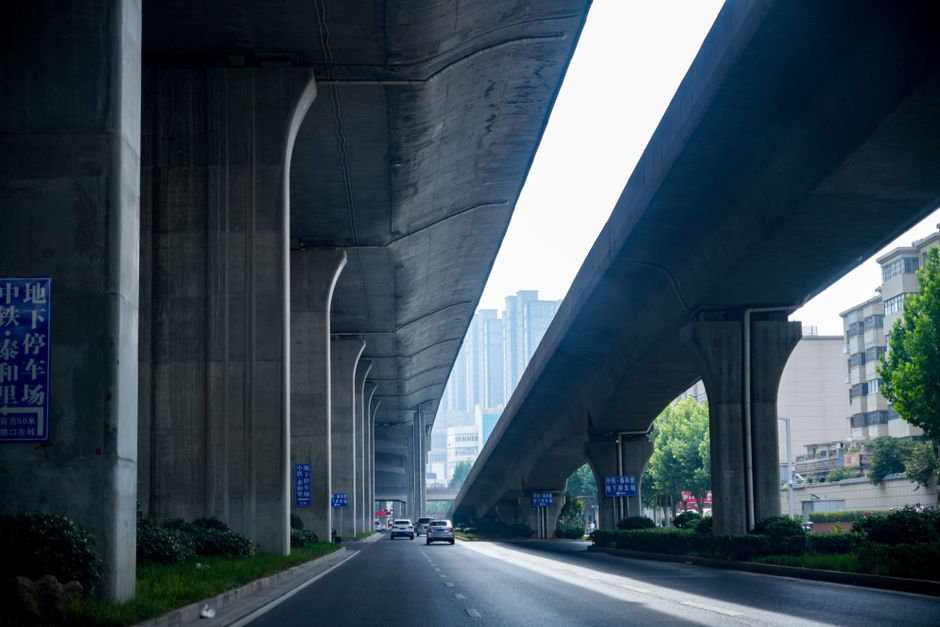


Huainan Infrastructure Update: Transportation Expansion — Business Impact
Huainan, a key industrial city in Anhui Province, is undergoing a substantial transportation expansion that involves 8 major infrastructure projects with a combined investment of RMB 34.2 billion, expected to reduce logistics costs by up to 25% for manufacturing companies by 2026. This update examines the specific business impacts of these road, rail, and airport upgrades for foreign executives evaluating or expanding operations in the city.
| Infrastructure Project | Investment (RMB) | Completion Year | Business Impact Area |
|---|---|---|---|
| Huainan–Hefei Expressway Widening | 8.7 billion | 2025 | Logistics speed, freight cost |
| Huainan South Railway Station Expansion | 4.2 billion | 2024 | Executive mobility, supply chain |
| Huainan Airport Cargo Terminal | 2.1 billion | 2026 | Export capacity, air freight |
| Huainan New Port (Phase I) | 6.8 billion | 2025 | Bulk cargo, river-sea transport |
| Urban Rail Line 1 (Phase I) | 12.4 billion | 2027 | Workforce commuting, talent access |
Expressway Expansion: Cutting Transit Time and Cost
The Huainan–Hefei expressway widening from 4 lanes to 8 lanes over 72 km is the centerpiece of the road infrastructure push. When completed, the expressway will handle 120,000 vehicles per day — a 60% increase from the current 75,000 — and reduce travel time between Huainan and Hefei from 90 minutes to under 50 minutes. For a manufacturing plant shipping 10,000 tons of goods monthly to Hefei’s logistics hub, this equates to annual savings of approximately RMB 3.6 million in fuel and driver time, based on current diesel costs and hourly wages.
The municipal government has also dedicated RMB 1.5 billion to upgrade 5 major arterial roads within the city’s 经济开发区 (Economic Development Zone, jīngjì kāifā qū), which house the majority of foreign-invested manufacturing and chemical plants. These upgrades include dedicated truck lanes, reducing congestion at peak hours by an estimated 40%. Foreign enterprises in equipment manufacturing and chemical processing will benefit most directly from these changes.
Rail and Rail-Link Improvements: Strengthening Supply Chains
The Huainan South Railway Station expansion will add 3 new platforms and a direct freight siding connecting to the 淮南综合保税区 (Huainan Comprehensive Bonded Zone, huáinán zōnghé bǎoshuì qū). This sideline reduces the trucking required to move export goods from the bonded zone to the station, cutting first-mile costs by an estimated 15%. China Railway materials indicate that cargo handling capacity will increase from 200,000 TEU per year to 350,000 TEU by the end of 2025.
Furthermore, the Shanghai–Hefei–Huainan high-speed rail corridor is being upgraded to allow freight trains at night, with passenger trains running during the day. This dual-use approach, unique to Huainan among second-tier cities in Anhui, positions the city as a key mid-point hub between the Yangtze River Delta and inland provinces. For electronics manufacturers that require overnight delivery to Shanghai’s port, the new schedule is projected to cut delivery time from 18 hours to 10 hours.
A new intercity rail link from Huainan to Bengbu is in the final design phase, with construction expected to begin in 2025. This link will further connect Huainan to the Beijing–Shanghai high-speed line, opening a direct route to Beijing in under 3 hours — currently a 4.5-hour trip by car or 2.5 hours via Hefei transfer.
Airport and Port Upgrades: New Channels for Import-Export
The Huainan Airport cargo terminal expansion focuses on air freight to Southeast Asian markets. The new 8,000 sqm facility includes cold storage for perishable goods and a dedicated customs inspection area, cutting clearance times from 2 days to 6 hours for pre-cleared cargo. The airport currently handles 15,000 tons of cargo annually; target capacity after expansion is 50,000 tons by 2027.
On the water side, the Huainan New Port on the Huai River is designed to handle 10 million tons of bulk cargo per year, including coal, steel, and grain. A dedicated rail spur from the Port directly connects to the national rail grid, enabling seamless container transfers. For companies importing raw materials such as non-ferrous metals from abroad via Shanghai and then barge up the Yangtze, the port reduces last-mile trucking costs by about RMB 120 per ton compared to current truck-only routes.
Decision Framework for Site Selection:
If your business ships heavy manufactured goods (e.g., machinery, steel pipes) overland, choose the area near the Huainan New Port and the widened expressway corridor — logistics savings are highest here. If your business involves time-sensitive electronics or perishable exports requiring air freight, choose a location within 10 km of the airport cargo terminal — the customs and cold-storage advantages offset higher rent. If your workforce is 200+ employees requiring daily commute, choose the urban area near Urban Rail Line 1 stations — talent retention and punctuality improve measurably.
Business Opportunities in Construction-Related Sectors
The infrastructure spending creates parallel opportunities for foreign suppliers of construction equipment, road-building materials, and infrastructure software. The 34.2 billion 人民币 total spend includes at least RMB 5 billion for foreign-procured equipment, based on public tender notices. Key categories with the largest foreign import shares are: tunnel boring machines (estimated 70% imported), intelligent traffic management systems (50% imported from European suppliers), and high-end asphalt additives (40% U.S. origin).
These tenders follow a 3-stage bidding process: pre-qualification in Chinese, technical proposal submission, and price negotiation. The city’s bid center reports that only 12 foreign companies participated in 2023 tenders — a low number that suggests manageable competition for new entrants.
3 Pitfalls for Foreign Businesses
NEXT STEPS
- Review your logistics routes within Huainan. Use our logistics cost calculator for Anhui to model savings under the new infrastructure schedule.
- Contact the Huainan Investment Promotion Bureau for a site visit focused on the port and airport zones. Request a detailed timeline of completion phases to align your factory expansion.
- Attend the upcoming Huainan Infrastructure Procurement Fair, scheduled for June 2025. Register for our curated list of tenders relevant to foreign equipment suppliers.
— Anhui Gateway —
Remote China market entry support, built around execution.