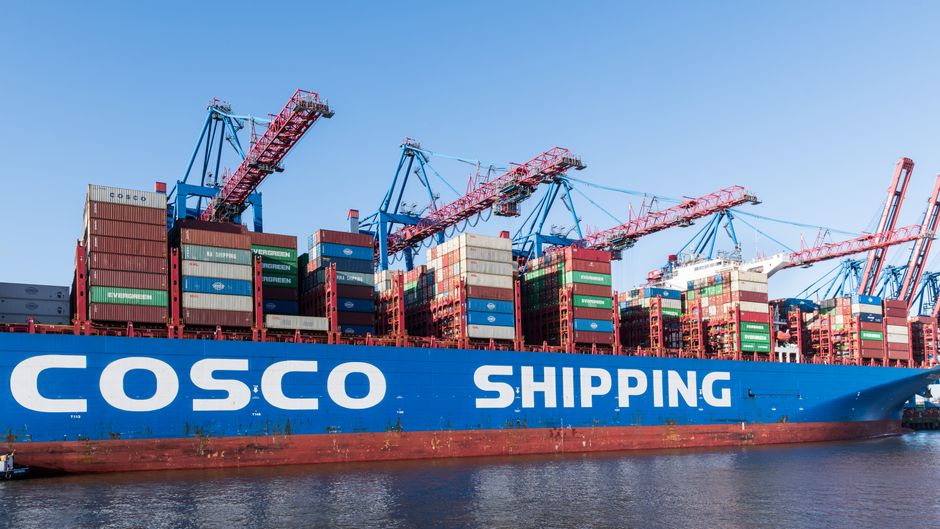


Huainan Logistics Update: Port and Road Network Developments
Huainan is accelerating a comprehensive logistics overhaul, with 12.4 billion RMB allocated through 2027 to expand the 淮南港 (Huainan Port, Huáinán Gǎng) and upgrade the city’s road network, aiming to boost annual freight throughput by 230% compared to 2020 levels. This investment targets the city’s transition from a coal-centric economy to a multi-modal regional logistics hub linking the Huai River Economic Belt with the Yangtze River Delta (YRD, 长三角, cháng sān jiǎo).
Huainan Port Expansion: From Coal Terminal to Multi-Purpose Hub
The historic Huainan Port, which handled 18.3 million tonnes of cargo in 2023, is undergoing a 7.2 billion RMB phase-two upgrade. The project adds three new 1,000-tonne berths at the main Dagong terminal, plus a dedicated container yard capable of processing 150,000 TEUs annually. When complete in early 2026, the port’s total design capacity will reach 35 million tonnes per year, making it the largest inland port on the middle Huai River.
A key shift is cargo diversification. In 2020, coal accounted for 82% of port traffic; by 2023 that share dropped to 67%, with construction materials, grain, and manufactured goods filling the gap. The port authority has signed long-term agreements with four YRD-based logistics firms to route containerized goods through Huainan instead of congested downstream ports, saving an estimated 8–12 hours per shipment.
The expansion also includes a 1.6 km rail spur connecting the port to the 阜阳–淮南 railway (阜淮铁路, Fù-Huái tiělù), enabling direct train-to-ship transfers. This is expected to cut total logistics costs for bulk shippers by 15%–18% according to the Huainan Transportation Bureau’s internal models.
Road Network Upgrades: Expressway Loops and Bridge Completions
Three major road projects are reshaping Huainan’s inland accessibility. The 32 km Huainan North Ring Expressway (淮南北环高速, Huáinán běi huán gāosù), opened in November 2024, connects the G36 Ningluo Expressway with the newly extended S17 Benghe Expressway, slashing cross-city truck transit times by 25 minutes. The 2.8 billion RMB project includes a six-lane bridge over the Huai River that is China’s first road-rail combined bridge built for heavy-haul trucks.
Meanwhile, the city is upgrading 146 km of Class II national and provincial highways in the logistics corridor between Huainan Port and the 合肥–蚌埠 industrial belt. Pavement widening to 23 meters, plus grade-separated intersections at seven junction towns, should increase average truck speeds from 35 km/h to 55 km/h by mid-2025. The upgrade also adds 1,200 LED lighting units and 18 weigh-in-motion stations to enforce overload compliance.
A third project—the Huainan–Shou County Logistics Expressway—broke ground in March 2025. This 28 km, four-lane link will directly serve the Shou County Economic Development Zone, where 14 new factories are under construction. The expressway is budgeted at 1.9 billion RMB and is scheduled for completion in Q1 2027.
Strategic Impact on Regional Logistics
Huainan’s simultaneous port and road upgrades are designed to create a seamless multimodal network that competes directly with established hubs like Bengbu and Hefei. The table below summarizes key metrics from the three projects.
| Project | Investment (RMB) | Capacity / Length | Completion | Primary Freight Type |
|---|---|---|---|---|
| Huainan Port Phase 2 | 7.2 billion | 35 million tonnes/yr | Early 2026 | Container, coal, grain |
| North Ring Expressway | 2.8 billion | 32 km, 6 lanes | Nov 2024 | General trucking |
| Huainan–Shou County Expressway | 1.9 billion | 28 km, 4 lanes | Q1 2027 | Industrial goods |
| Total | 11.9 billion | — | — | — |
The regional impact is already measurable. In the first quarter of 2025, truck trips from Huainan Port to Hefei’s logistics parks averaged 2.8 hours, down from 3.5 hours in 2023. The Huainan Transportation Bureau estimates that by 2027, total freight movement through the city will reach 58 million tonnes annually, up from 41 million tonnes in 2023. This growth will be driven largely by cross-provincial container flows now routed through Huainan to bypass Yangtze River bottlenecks.
Foreign logistics firms should note that Huainan has reserved a 40-hectare plot adjacent to the port for a bonded logistics center (保税物流中心, bǎoshuì wùliú zhōngxīn), which received preliminary approval from the Anhui Provincial Commerce Department in February 2025. This center, once operational, will allow deferred customs duties and simplified re-export processing—a significant advantage for companies managing inventory for YRD markets.
Logistics Cost Realities for Foreign Users
While infrastructure improves, foreign companies using Huainan as a logistics node should account for current limitations. The city still lacks a full-service container freight station (CFS) with bonded capabilities—shippers must send LCL (less-than-container-load) cargo to Hefei or Nanjing for consolidation. This adds two to three days and roughly 400–600 RMB per container in cross-dock handling fees.
Another constraint is the shortage of reefer container plugs at Huainan Port. Only 24 reefer slots exist today, though 60 more are included in the Phase 2 plans. Cold-chain importers should confirm reefer availability before routing perishable goods through Huainan.
On the positive side, the new road network improvements have reduced per-tonne transport costs for general cargo to 0.28 RMB per tonne-km, competitive with Bengbu (0.31 RMB/tonne-km) and better than the Anhui average of 0.33 RMB/tonne-km. The weigh-in-motion stations are also reducing overload fines—down 35% year-on-year per the local road authority—saving operators an average 12,000 RMB per month in penalties.
For foreign logistics planners, the takeaway is that Huainan now offers a viable alternative to crowded coastal ports for goods destined for central and northern Anhui, southern Henan, and western Jiangsu. The combination of lower per-tonne road costs, expanded port capacity, and the upcoming bonded center makes the city worth evaluating as part of a China logistics diversification strategy.
NEXT STEPS
- Evaluate Huainan Port for your supply chain — Read our Anhui Logistics Cost Comparison Guide to benchmark rates against Bengbu and Hefei.
- Check reefer and bonded availability — Contact the Huainan Investment Promotion Bureau through our China Logistics Consulting Service for real-time capacity updates.
- Plan around the construction timeline — Use our Anhui Road Projects 2025 Roundup to anticipate delays and alternative routing during the Huainan–Shou County expressway build.
— Anhui Gateway —
Remote China market entry support, built around execution.