

Huangshan Business Environment in Anhui: What It Means for Foreign Investors
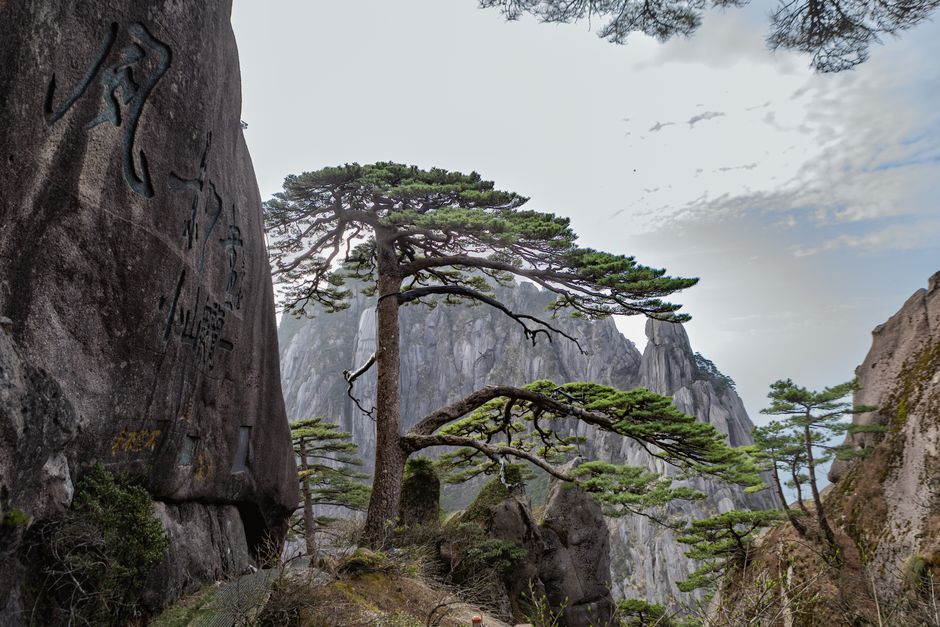
Huangshan (黄山, Huángshān) — a prefecture-level city in southern Anhui best known for its iconic mountain scenery — attracted over ¥12.8 billion in foreign direct investment (外国直接投资, FDI, wàiguó zhíjiē tóuzī) in 2023, representing a 22% year-on-year increase. This performance places Huangshan among the top five non-capital cities in Anhui for FDI growth, according to provincial data. For foreign investors evaluating secondary Chinese cities, Huangshan offers a distinct proposition: high-quality infrastructure and a growing 营商环境 (business environment, yíngshāng huánjìng) with lower operational costs than Hefei or Wuhu, plus specialized opportunities in eco-tourism, wellness, and specialty agriculture.
The Unique Economic Profile of Huangshan: Tourism + Green Transition
Unlike industrial powerhouses Wuhu or Ma’anshan, Huangshan’s economy is anchored by tourism. In 2023, the city recorded over 73 million domestic and international visitors, generating tourism revenue exceeding ¥62 billion. Yet FDI in tourism-related ventures accounts for only an estimated 8% of total inbound investment — a share that rose from 4% in 2019, signaling growing investor interest in high-end hospitality and wellness resorts.
The municipal government has prioritized a “green transition” strategy, targeting carbon-neutral development by 2035. This has opened investment channels in renewable energy (solar and small-scale hydro), eco-agriculture, and bio-pharmaceuticals. The Huangshan High-Tech Industrial Development Zone (国家级黄山高新技术产业开发区, guójiājí Huángshān gāoxīn jìshù chǎnyè kāifā qū) now hosts 48 foreign-invested enterprises, up from 32 in 2020. The zone offers reduced corporate income tax (15% for qualifying high-tech firms) and streamlined project approval within 15 working days.
However, the city still lags behind Hefei in FDI volume by a factor of six — a gap that reflects Huangshan’s smaller industrial base but also its higher dependency on seasonal tourism. For investors seeking stability, this cyclicality is a key consideration.
Investment Incentives and Key Industries
Huangshan targets three priority sectors for foreign participation:
- Eco-tourism and Cultural Heritage: Tax rebates of up to 30% for hotel and resort projects certified as “green” under national standards. Land premiums for hotel development are waived for projects exceeding ¥50 million in investment.
- Specialty Agriculture & Food Processing: Huangshan is China’s largest producer of high-mountain tea (黄山毛峰, Huángshān máofēng — a premier green tea). Foreign investors can receive subsidies of ¥2,000 per mu (≈0.067 hectares) for organic tea plantation conversion, plus export logistics support.
- Wellness and Traditional Medicine: The “Huangshan International Health and Wellness Industrial Park” (黄山国际健康养生产业园) offers rent subsidies (50% off for first two years) and fast-track licensing for foreign-invested medical institutions.
In 2024, the city piloted a “Foreign Investment Service Desk” (外资服务专窗, wàizī fúwù zhuānchuāng) at the government service hall, providing English-language assistance and same-day registration for WFOEs (外商独资企业, wàishāng dúzī qǐyè).
Logistics and Talent: The Realities of Operating in Huangshan
Huangshan Tunxi International Airport (HSG) operates 32 domestic routes and weekly international flights to Seoul and Hong Kong — limited compared to Hefei Xinqiao’s network. For cargo, the city depends on the Huangshan–Hefei high-speed rail (1.5 hours) and the Anhui-Yangtze River Delta highway corridor. Average logistics cost from Huangshan to Shanghai port is ¥1,800 per container, 15% higher than from Wuhu but 25% lower than from inland Hefei due to shorter last-mile distances to Zhejiang ports.
Talent availability remains a challenge. Huangshan hosts only two universities with undergraduate programs in business and engineering — Huangshan University and Huangshan Vocational & Technical College. Graduate retention rate is 38%, versus 58% in Hefei. To address this, the city launched a “Huangshan Talent Lake” (人才湖计划) in 2023, offering a ¥300,000 housing subsidy for foreign executives and their families relocating to the city.
Comparison: Huangshan vs. Hefei vs. Wuhu — Key Metrics
| Indicator | Huangshan | Hefei (Capital) | Wuhu (Industrial Hub) |
|---|---|---|---|
| FDI (2023, ¥bn) | 12.8 | 72.4 | 18.9 |
| Average office rent (¥/sqm/month) | 65 | 110 | 75 |
| Industrial land cost (¥/sqm) | 380 | 520 | 420 |
| Key sectors for foreign investors | Tourism, wellness, tea, eco-agriculture | Electronics, automobile R&D, semiconductors | Chemical, automobile manufacturing, robotics |
| University graduates per year | 6,200 | 48,000 | 14,500 |
| Airport international routes | 2 (Seoul, Hong Kong) | 18 | 3 (to Southeast Asia) |
Decision Framework: If your core business relies on access to a deep talent pool in advanced manufacturing or R&D, choose Hefei. If you need lower operational costs and proximity to Yangtze River shipping for heavy industry, choose Wuhu. But if your value proposition depends on high-quality tourism, wellness, or premium specialty agriculture with strong government incentives for green projects, Huangshan is the strategic fit.
Three Common Pitfalls for Foreign Investors in Huangshan
NEXT STEPS
- Evaluate sector incentives first: Before choosing a zone, compare the tax and subsidy packages for your specific industry in Huangshan’s High-Tech Zone vs. the Wellness Industrial Park. Read the full Huangshan Incentives Guide.
- Conduct a logistics cost audit: Model your supply chain using both Huangshan and Hefei warehousing scenarios — the tariff advantage of inland hub airports may shift with your export volume. Use our Anhui Logistics Cost Comparison Tool.
- Book a heritage zone compliance check: Engage a local expert to review your project site against UNESCO buffer zone requirements before signing any land lease. Download the Heritage Zone Compliance Checklist.
— Anhui Gateway —
Remote China market entry support, built around execution.