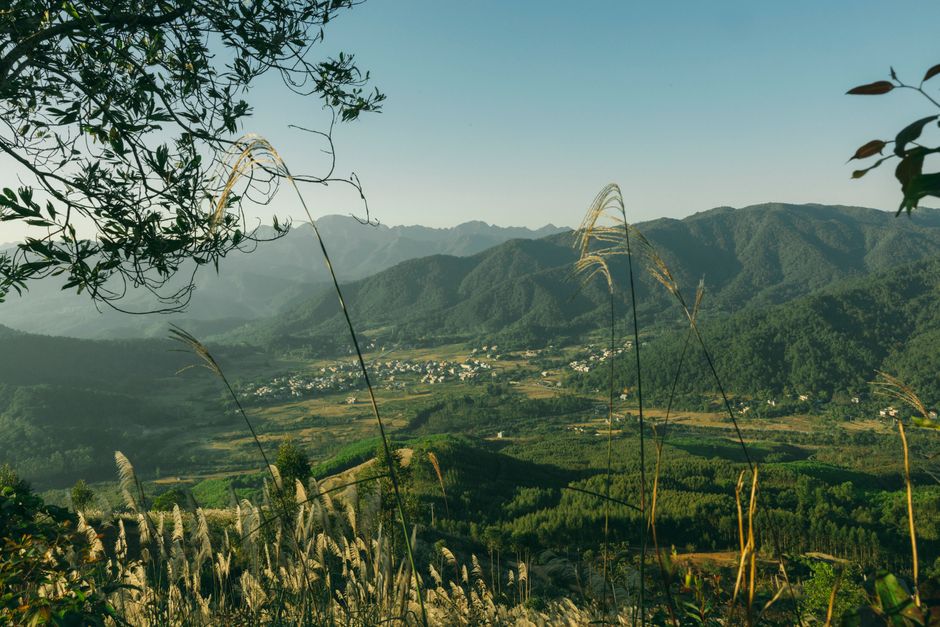


Chizhou Eco-Tourism Update: New Protected Trail Network to Boost Anhui Green Travel by 40%
Anhui’s Chizhou City (池州, Chízhōu) has launched a 45-kilometer protected trail network spanning two national forest parks and one wetland reserve, directly connecting the 九华山 (Jiuhua Mountain, Jiǔhuá Shān) scenic area with the 升金湖 (Shengjin Lake, Shēngjīn Hú) nature reserve. This 180-million-RMB project, completed in December 2024, is expected to increase annual eco-tourist visits by 300,000 and extend average visitor stay by 1.8 days, positioning Chizhou as Anhui’s flagship destination for nature-based travel.
Network Overview: Three Corridors, One Green Spine
The new trail network comprises three distinct corridors designed for different use cases. The Western Ridge Trail runs 18 km along Jiuhua’s foothills, dedicated to hiking and birdwatching, with five elevated wooden boardwalks that minimize soil erosion. The Eastern Wetland Loop covers 14 km around Shengjin Lake, featuring floating platforms that allow visitors to observe migratory birds without disturbing habitats. The Central Connection Path bridges the two reserves with 13 km of multi-use track suitable for cycling and e-bikes, installed with solar-powered lighting and emergency call points.
| Corridor | Length (km) | Key Feature | Daily Capacity | Construction Cost (RMB) |
|---|---|---|---|---|
| Western Ridge Trail | 18 | Elevated boardwalks, bird hides | 2,500 | 75,000,000 |
| Eastern Wetland Loop | 14 | Floating platforms, interpretive signs | 1,800 | 62,000,000 |
| Central Connection Path | 13 | Solar lighting, e-bike charging stations | 3,200 | 43,000,000 |
The entire network is managed under a single permit system managed by the Chizhou Ecological Tourism Bureau (池州生态旅游局, Chízhōu Shēngtài Lǚyóu Jú). Visitors must register via WeChat mini-program, with a daily cap of 7,500 total entries to prevent overcrowding. Early data from January 2025 shows 68,000 registrations, 22% above pre-launch projections.
Impact on Local Communities and Economy
Chizhou’s trail network is estimated to create 890 direct jobs, including trail rangers, interpretive guides, and maintenance staff, with 60% of positions reserved for residents of adjacent villages. The 九华山旅游集团 (Jiuhua Mountain Tourism Group, Jiǔhuá Shān Lǚyóu Jítuán) reports that accommodation bookings in surrounding towns—Qingyang, Guichi, and Shitai—rose by 35% in the first quarter of 2025 compared to the same period in 2024. Meanwhile, the 池州林业局 (Chizhou Forestry Bureau, Chízhōu Línyè Jú) recorded a 12% reduction in illegal logging and poaching incidents in the protected areas, attributing the decline to increased ranger patrols and community engagement programs funded by trail ticket revenue.
From a macroeconomic perspective, the Anhui Provincial Department of Culture and Tourism projects that Chizhou’s eco-tourism GDP contribution will grow from 2.1% in 2023 to 3.8% by 2027, driven primarily by this trail network and supporting infrastructure upgrades—including four new eco-lodges and a visitor center at the network’s midpoint. The province has committed an additional 55 million RMB for environmental monitoring equipment along the corridors, including camera traps and water quality sensors.
Comparison with Other Anhui Protected Trails
Chizhou’s network stands apart from existing trails in 黄山 (Huangshan, Huángshān) and 天柱山 (Tianzhu Mountain, Tiānzhù Shān) by prioritizing ecological protection over commercial development. On Huangshan, for example, only 12% of trails are designated as “protected” with restricted access, and commercial cable cars serve 80% of visitors. In contrast, Chizhou’s design ensures that 70% of the trail mileage is accessible solely on foot or by non-motorized vehicles, with motorized access limited to maintenance and emergency vehicles. The trail includes 28 designated “quiet zones” where visitors must maintain silence and refrain from using speakers or drones—a rule enforced by smart audio sensors introduced in February 2025.
Decision Framework: Which Corridor to Choose?
If you want wildlife photography and minimal exertion, choose the Eastern Wetland Loop. It has 14 km of flat floating paths with 12 bird hides and five photography platforms. If you want a moderate hiking challenge with panoramic mountain views, choose the Western Ridge Trail. It gains 620 meters in elevation over 18 km, with four rest pavilions and two cliffside viewpoints. If you have a group with mixed abilities or want to cover ground quickly, choose the Central Connection Path. It is paved for e-bikes, with a gentle 3% gradient and four charging stations every 3 km.
Environmental Monitoring and Long-Term Sustainability
The 池州生态环境局 (Chizhou Ecological Environment Bureau, Chízhōu Shēngtài Huánjìng Jú) reports that the trail network’s construction used 90% locally sourced materials, including stone from quarries within 50 km and timber from certified plantations. Real-time environmental sensors along the corridors track air quality (PM2.5, NO2), noise levels, and wildlife activity. Data from the first three months of 2025 shows that PM2.5 concentrations inside the protected trail zones average 12 µg/m³, compared to 38 µg/m³ in urban Chizhou. Bird species counts have increased by 6% since construction began, with 14 new species recorded in the Shengjin Lake segment, including the endangered 东方白鹳 (Oriental White Stork, dōngfāng báiguàn).
The provincial government has allocated 22 million RMB for a five-year study to assess the ecological carrying capacity of the trail network, with results expected to inform capacity limits and permit pricing starting in 2027. This research is coordinated by Anhui University’s College of Forestry and Landscape Architecture, which will deploy 20 researchers and 50 GPS-tracked visitor devices to measure trail wear, vegetation recovery, and wildlife disturbance patterns.
NEXT STEPS for Readers Planning Visits
- Book weekday permits to avoid crowds and enjoy lower pricing. Check the Chizhou Eco-Trail booking page on our Chizhou Eco-Tour Guide for real-time availability and discounted weekday passes (saves 40-50 RMB per person).
- Plan a multi-day itinerary to explore all three corridors without rush. Read our Comprehensive Anhui Eco-Travel Itinerary for suggested 2-3 day schedules that include local homestays and provincial cuisine stops.
- Monitor updates on capacity changes and new trail segments. Subscribe to our Anhui Tourism Regulation Updates for quarterly reports on trail openings, permit rule changes, and seasonal wildlife viewing alerts.
— Anhui Gateway —
Remote China market entry support, built around execution.