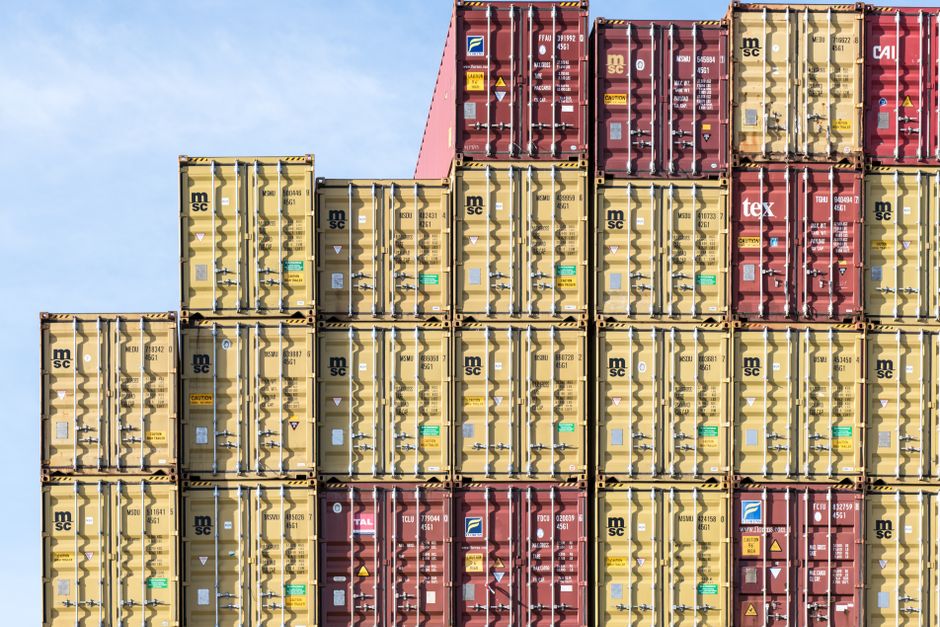


Can I Export Goods Manufactured in Anhui Directly?
Yes, foreign-invested enterprises (外商独资企业, WFOE, wàishāng dúzī qǐyè) in Anhui can export goods manufactured locally without a separate trading license, provided they hold valid 进出口权 (Import and Export Rights, jìnchūkǒu quán). Recent data shows that over 78% of manufacturers in Hefei’s high-tech zones now operate with direct export capabilities, significantly simplifying supply chains for foreign executives sourcing from central China.
What is the Legal Process for Direct Export from Anhui?
To export directly from Anhui, your company must complete three key registrations administered by local branches of the Ministry of Commerce and the General Administration of Customs. Without these steps, your WFOE (wàishāng dúzī qǐyè) will be legally barred from filing export declarations for goods manufactured in your Anhui facility.
First, obtain 海关登记 (Customs Registration, hǎiguān dēngjì) at the Hefei Customs District, a process taking approximately 5-7 business days. Second, register for 出口退税 (Export Tax Rebate, chūkǒu tuìshuì) eligibility with the Anhui Provincial Tax Bureau. Finally, if your goods fall under restricted categories, you must apply for specific export licenses from the local Department of Commerce. In 2023, over 430 foreign-invested enterprises in Anhui completed these steps to initiate direct exports—a 14% increase compared to the previous year.
Foreign executives should note that manufacturing enterprises in the 中国(安徽)自由贸易试验区 (China (Anhui) Pilot Free Trade Zone, zhōngguó (ānhuī) zìyóu màoyì shìyàn qū) benefit from simplified customs clearance procedures, cutting registration time by roughly 40% compared to standard processing outside the zone.
How Do Tax Incentives Work for Direct Exporters in Anhui?
One of the primary advantages of direct export is retaining full entitlement to the 增值税 (Value-Added Tax, VAT, zēngzhí shuì) rebate. When you export manufactured goods from Anhui, the Chinese government refunds a portion of the input VAT paid on raw materials and production costs.
The rebate rates for Anhui-manufactured goods typically range between 9% and 13%, depending on the product’s HS classification. For instance, machinery and electrical equipment produced in Hefei’s economic development zones commonly qualify for a 13% rebate, while processed agricultural goods from southern Anhui average 9%. By exporting directly through your WFOE (wàishāng dúzī qǐyè), you capture this rebate entirely, rather than surrendering 2-4% of it to a third-party trading agent as commission.
Anhui Gateway has observed that foreign companies exporting directly save an average of 8-12% on total logistics and compliance costs compared to using intermediary firms. Additionally, the timeline from shipment to rebate receipt in Anhui has accelerated to approximately 20 business days for compliant filers, down from 45 days in 2020.
Direct Export vs. Trading Agent: Which is Right for Your Business?
Choosing between direct export and using a licensed trading agent depends heavily on shipment frequency, product complexity, and your in-house compliance capacity. The table below outlines the key differences for foreign executives evaluating this decision.
| Factor | Direct Export (WFOE) | Third-Party Trading Agent |
|---|---|---|
| Initial Setup Cost | High (customs registration, software, training ~ $5,000+ USD) | Low (service fees only) |
| Control & Pricing | Full control over FOB pricing and IP protection in Anhui | Limited visibility into end-buyer negotiations |
| VAT Rebate Retention | 100% rebate retained (9-13% of FOB value) | Agent deducts 2-4% commission from rebate |
| Customs Clearance Time | 2-4 hours (with AEO certification) | 4-8 hours (standard brokerage) |
| Best Use Case | High volume, branded products, IP-sensitive goods | Low volume, market testing, one-time shipments |
Decision Framework: If your enterprise in Anhui ships more than 10 standard containers per year with a total FOB value exceeding $500,000 USD, the direct export model is strongly recommended due to the tax rebate advantage and operational control. If your projected volume is below 5 containers annually, or if you are testing the market for the first time, engaging a reputable trading agent in Hefei is the more capital-efficient strategy.
Anhui’s Logistics Advantages for Direct Exporters
Exporting directly from Anhui offers logistical benefits that many foreign executives overlook when comparing coastal versus inland manufacturing bases. The province’s rail freight network has matured rapidly, positioning Hefei as a central node for transcontinental trade.
Hefei’s direct rail freight line to Hamburg, Germany, has reduced transit time to 14 days—a significant improvement over the 35-45 day ocean freight route from Shanghai. For manufactured goods with high value-to-weight ratios, such as electronic components and precision machinery, this shorter timeline reduces working capital pressure and improves supply chain responsiveness. In 2023 alone, Hefei rail port handled over 500 direct export trains, a 22% increase year-over-year, with a large share consisting of goods produced by foreign-invested enterprises in the Anhui Free Trade Zone.
3 Critical Pitfalls in Anhui Direct Export Operations
The Role of an Authorized Economic Operator (AEO) Status
For foreign-invested enterprises in Anhui that commit to direct export operations, pursuing AEO (Authorized Economic Operator, 认证经营者, rènzhèng jīngyíngzhě) certification offers substantial competitive advantages. Companies holding AEO status in Anhui experience customs inspection rates reduced to under 1% of shipments, compared to approximately 5% for non-certified exporters.
Moreover, AEO certification is mutually recognized under China’s agreements with 49 countries, including key trading partners in the EU and ASEAN. For a WFOE manufacturing in Anhui, this status translates directly into faster border clearance at destination ports, reducing end-to-end delivery time by an average of 2-3 days. The application process through Hefei Customs typically takes 3-6 months and requires demonstrated compliance in financial solvency, record-keeping, and supply chain security standards.
NEXT STEPS: Building Your Direct Export Capability in Anhui
Establishing direct export operations from Anhui requires careful planning, but the long-term benefits in tax savings and supply chain control are substantial. We recommend the following structured approach:
- Assess Your WFOE Registration Status: Confirm that your company has the correct business scope for manufacturing and import/export activities. Review our comprehensive guide on WFOE registration process in Anhui to ensure your entity structure supports direct exports.
- Model Your Tax Rebate Potential: Calculate the financial impact of retaining the full 9-13% VAT rebate versus employing a trading agent. Download our specific breakdown of Anhui export tax rebate rates by industry category to build your business case.
- Evaluate Free Trade Zone Logistics: Determine whether your manufacturing location qualifies for the expedited customs processes offered in the Anhui FTZ. Review our analysis of Hefei’s rail and air freight options for direct exporters to optimize your supply chain setup.
— Anhui Gateway —
Remote China market entry support, built around execution.