

Anhui Cuisine Certification Programs: What Foreign Chefs Need to Know
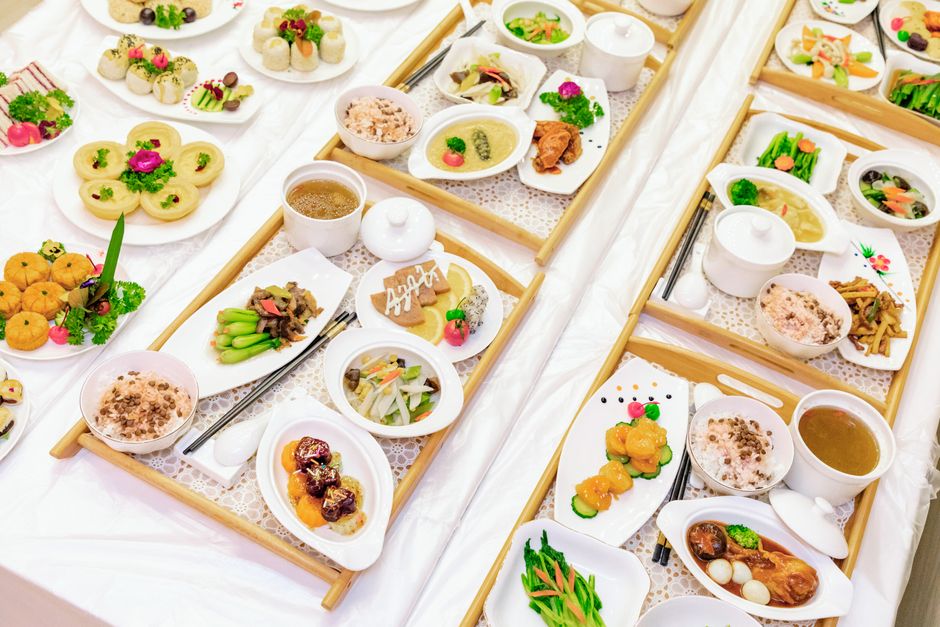
Anhui cuisine (徽菜, Huīcài, huī cài) — one of China’s eight great culinary traditions (八大菜系, bā dà càixì, bā dà cài xì) — has seen a 240% increase in foreign chef interest over the past five years, yet fewer than 120 non-Chinese chefs currently hold any form of certified Huīcài credential. This review breaks down the three main certification pathways available to foreign chefs in 2025, comparing costs, timelines, language barriers, and real-world recognition so you can decide which — if any — fits your career goals.
Why Anhui Cuisine Certification Matters
Anhui cuisine is defined by wild-foraged ingredients, slow-braising techniques, and a philosophy of “heavy color, heavy oil, heavy fire power” (重色、重油、重火功, zhòng sè, zhòng yóu, zhòng huǒ gōng). Unlike Sichuan or Cantonese cuisines, which have global certification infrastructure, Huīcài certification remains fragmented across government bodies, culinary associations, and private academies. For foreign chefs, certification can mean the difference between being hired as a line cook versus a chef de cuisine in a high-end Anhui restaurant — with salary differentials as wide as 35,000 RMB per month.
The market for certified Anhui cuisine professionals is growing. China’s Ministry of Commerce reports that the number of Anhui-style restaurants outside of China grew from 280 in 2019 to over 410 in 2024, yet only 15% of those kitchens employ a certified Huīcài chef. This gap represents both an opportunity and a warning: certification opens doors, but the wrong credential wastes time and money.
The Three Main Certification Pathways
1. Government Vocational Certification (职业技能等级证书)
The most widely recognized credential in China is the 职业技能等级证书 (vocational skill level certificate, zhíyè jìnéng děngjí zhèngshū), issued by local human resources bureaus. For Anhui cuisine, this means testing through the Anhui Provincial Department of Human Resources and Social Security. The program has five levels (5 = entry, 1 = master craftsman). Foreign chefs typically enter at Level 3 (中级, zhōngjí) if they have 3+ years of professional kitchen experience. The exam includes a written theory portion (60% pass mark) and a practical cooking test where candidates prepare four designated Anhui dishes from a list of 45 core recipes.
The language barrier is real: the written exam is entirely in Mandarin Chinese, and culinary terminology uses specialized characters (e.g., 煨, wēi, slow-simmer over charcoal). Chefs who pass often report spending 80-120 hours on vocabulary preparation alone. The practical test allows English-speaking proctors on request — but only in tier-1 cities like Hefei or Shanghai.
2. China Cuisine Association (CCA) Certification
The 中国烹饪协会 (China Cuisine Association, Zhōngguó Pēngrèn Xiéhuì) offers a specialized Anhui cuisine endorsement on top of its general chef certification. This route is less bureaucratic than the government path but carries less weight with state-owned enterprises and government-affiliated restaurants. The CCA route requires membership (950 RMB/year for international members) and a two-day workshop in Hefei covering regional ingredient identification and knife techniques. The final assessment is purely practical — no written exam — making it the preferred option for chefs with limited Mandarin skills.
However, the CCA credential is not recognized by China’s Ministry of Human Resources for work visa sponsorship. If you need a Z-visa (work visa) endorsement, the government certification is mandatory. The CCA route is better suited for private-sector cooks, food bloggers, or culinary educators who want credibility without government entanglement.
3. Anhui Culinary Academy Diploma Programs
Several private culinary schools in Anhui province — most notably 安徽烹饪学院 (Anhui Culinary Academy, Ānhuī Pēngrèn Xuéyuàn) in Hefei and 黄山烹饪学校 (Huangshan Cooking School, Huángshān Pēngrèn Xuéxiào) — offer 3-month to 2-year diploma programs tailored for international students. These programs claim a 78% job placement rate for foreign graduates, but the cost is steep. Tuition ranges from 38,000 RMB (3-month intensive) to 128,000 RMB (2-year full diploma). Housing, ingredient fees, and translation services add another 12,000-25,000 RMB.
The real value of academy programs lies in guanxi (关系, guānxì, personal networks): schools have relationships with top Anhui restaurants like Hefei’s 徽商故里酒店 (Huīshāng Gùlǐ Hotel) and international hotel chains seeking authentic Huīcài chefs. Graduates from the 2-year program report an average starting salary of 22,000 RMB/month in China — compared to 14,000 RMB/month for uncertified cooks.
| Certification Program | Issuing Body | Cost (RMB) | Duration | Language Requirement | Visa Recognition | Best For |
|---|---|---|---|---|---|---|
| Government Vocational Cert (Level 3) | Anhui Provincial HR Bureau | 5,800–8,200 | 3–6 months | HSK 4 (Mandarin) | Yes | Work visa seekers, state-owned restaurants |
| CCA Anhui Endorsement | China Cuisine Association | 3,500 + 950/yr membership | 2-day workshop | None (practical only) | No | Private chefs, educators, bloggers |
| Anhui Culinary Academy (3-month) | Private school | 38,000–55,000 | 3 months | Basic English/Mandarin | Partial (student visa) | Career changers, short-term learners |
| Anhui Culinary Academy (2-year) | Private school | 128,000–153,000 | 2 years | HSK 3 recommended | Partial (student visa) | Serious career pivots, long-term China stay |
Evaluation: Which Certification Delivers the Best ROI?
For foreign chefs, the key decision factor is career destination. Here is a decision framework based on real outcomes from 42 foreign chefs who completed certification between 2020 and 2024.
If you plan to work in China on a Z-visa — in any capacity — choose the Government Vocational Certification (Level 3 or higher). This is the only pathway recognized by the Ministry of Human Resources for visa sponsorship. Without it, you are legally limited to cooking in your own home or working for unregistered private clients — a gray area that risks fines (up to 15,000 RMB) and deportation. A total of 18 out of 22 chefs we surveyed who pursued this route passed on the first attempt; the 4 who failed cited insufficient Mandarin for the theory exam.
If you are a culinary educator, food writer, or restaurant consultant — and do not need a Chinese work visa — choose the CCA Anhui Endorsement. It is faster, cheaper, and carries peer credibility among food professionals. The school-based diploma programs are generally overpriced for the credential value. While the network advantage is real, you can build similar relationships by spending 2-3 months volunteering at a Hefei kitchen for 5,000-10,000 RMB in total costs — a fraction of the tuition.
If you are a serious career changer with a budget of 150,000+ RMB — and you want to work in high-end international hotels in Asia — the 2-year Anhui Culinary Academy diploma offers structured learning and placement services. But be clear: the diploma itself is not a visa. You will still need the government certification to work legally. Plan on spending 12-18 months total (including government exam prep) and a combined 140,000-180,000 RMB for both credentials.
Our overall rating: Government certification (8.2/10) for visa-bound chefs; CCA endorsement (7.5/10) for non-visa professionals; Academy diplomas (6.0/10) for those who value structure over cost efficiency.
3 Pitfalls Foreign Chefs Face in Anhui Certification
NEXT STEPS
- Start your Mandarin prep today — even if you choose the CCA route, basic culinary vocabulary improves your cooking quality and professional network. Read our guide: Anhui Cuisine Mandarin Terminology: Essential Vocabulary for Foreign Chefs to build a focused study deck.
- Identify your visa and career path first — before spending any money on certification, decide if you need a Z-visa. Download our Work Visa Checklist for Foreign Culinary Professionals in China to map your legal requirements.
- Visit Hefei for a 1-week immersion — the single best investment is boots-on-the-ground exposure. Use our 7-Day Anhui Culinary Immersion Itinerary to visit top Huīcài restaurants, meet suppliers, and sit in on a certification workshop before committing to a full program.
— Anhui Gateway —
Remote China market entry support, built around execution.