

Bozhou TCM Wholesale vs Direct Sourcing from Farms: Which Procurement Approach?
Table of Contents
1. Understanding the Two Procurement Models
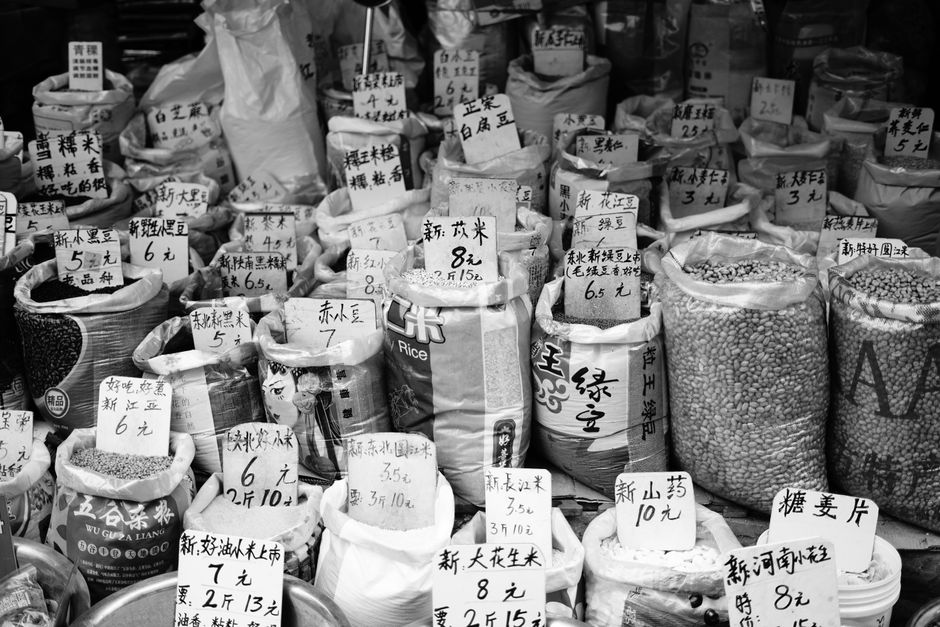
Foreign enterprises sourcing TCM materials from Anhui Province face a fundamental strategic choice: procure through the Bozhou TCM Wholesale Market or establish direct sourcing relationships with TCM farms and cultivation bases. The Bozhou TCM Wholesale Market is an aggregation and distribution center where thousands of traders, farmer-cooperative representatives, and wholesale agents converge. Materials arrive from cultivation bases across all 34 provincial-level regions of China, are sorted, graded, and quality-checked by market intermediaries, and sold to pharmaceutical companies, hospital procurement departments, health food manufacturers, and export traders. The market offers one-stop shopping with immediate product availability and competitive pricing through the density of competing suppliers.
Direct farm sourcing involves establishing contractual relationships with TCM cultivation bases — individual farms, farmer cooperatives, or state-owned agricultural enterprises — to purchase herbs directly at the point of harvest. This model bypasses wholesale intermediaries and offers greater control over cultivation practices, harvest timing, and variety selection. However, it requires significantly more investment in relationship building, quality verification infrastructure, and supply chain management capabilities. Direct sourcing is most common among larger pharmaceutical companies and foreign enterprises with dedicated China sourcing teams.
2. Cost Analysis: Wholesale Market vs Direct Farm Sourcing
Direct farm sourcing typically offers a raw price advantage of 15–30% compared to wholesale market prices for the same herb variety and grade. This margin represents intermediary costs: trader margins (8–12%), market stall fees (2–3%), grading and sorting labor (3–5%), and transportation between farm and market (2–4%). For astragalus root trading at RMB 35–45/kg in the wholesale market, comparable farm-gate prices are RMB 25–32/kg — a saving of approximately 28%.
However, this advantage must be offset against additional direct-sourcing costs: dedicated procurement staff (RMB 8,000–15,000/month), farm inspection travel (RMB 5,000–20,000 per visit), quality testing per batch (RMB 500–3,000), minimum orders typically requiring 500–2,000 kg per variety, and less efficient logistics for smaller consolidated shipments. The breakeven point for a single herb variety is typically around 5,000–10,000 kg annually. For a portfolio of 10–20 varieties, the combined volume needed is approximately 50,000–100,000 kg annually. Below these thresholds, the wholesale market is more cost-effective and practical for most foreign buyers.
| Cost Component | Wholesale Market | Direct Farm Sourcing |
|---|---|---|
| Base price (astragalus example) | RMB 35–45/kg | RMB 25–32/kg |
| Intermediary/agent fees | Included in price (8–12%) | RMB 8–15k/month staff or 3–5% commission |
| Quality testing per batch | RMB 200–500 | RMB 500–3,000 |
| Minimum order quantity | As low as 1–5 kg | Typically 500–2,000 kg |
| Logistics per kg | RMB 0.5–1.5/kg | RMB 1.0–3.0/kg |
| Payment terms | COD or 7–30 day terms | 30–50% deposit, balance on delivery |
| Total effective cost | RMB 36–48/kg | RMB 28–40/kg (at scale) |
3. Quality Control and Traceability
In the wholesale market, all vendors must hold valid TCM trading licenses, and the market authority conducts random inspection programs covering 15–20% of stalls annually. Reputable long-established vendors provide batch-level traceability back to the growing region. The recommended quality assurance protocol includes: request samples from 3–5 vendors per variety, submit all samples to the Bozhou TCM Quality Testing Center for CNAS-accredited analysis, select the best vendor, require batch-specific certificates of analysis for each subsequent order, and conduct periodic unannounced storage inspections. This protocol adds approximately RMB 2,000–5,000 per herb variety in initial qualification costs but significantly reduces the risk of receiving substandard materials.
Direct farm sourcing offers substantially greater quality control. Enterprises can specify GACP-compliant cultivation protocols including seed variety, soil preparation, input limits, irrigation schedules, and harvest timing. Farms with GAP certification maintain detailed cultivation records providing full traceability from field to finished product. Over 40 such GAP-certified farms operate in Anhui Province directly supplying the TCM industry. However, direct sourcing places the quality verification burden on the buyer — requiring on-site farm audits, contractual quality specifications, and independent lab testing. Many foreign buyers address this by partnering with a China-based quality assurance firm or specialized TCM sourcing consultancy that conducts farm audits and manages testing certification on their behalf.
4. Supply Chain Reliability and Seasonality
The wholesale market maintains year-round availability of common herb varieties through harvest-season stockpiling, cold storage, and multi-region sourcing. For the 200 most commonly traded herbs, supply disruption risk is minimal as multiple independent vendors hold inventory and can substitute for each other. Direct farm sourcing is inherently seasonal — most TCM herbs have one primary harvest window per year (August–November for roots, April–June for leaves and flowers). Risks include crop failure from weather, harvest timing affecting quality, and the need for 12 months of proper post-harvest storage. Mitigation strategies include multi-farm sourcing across different regions, maintaining 3–6 months safety stock, and contractual force majeure provisions allowing wholesale market substitution when farm supply fails.
5. Hybrid and Phased Approaches
A phased approach transitioning from wholesale to direct farm sourcing is recommended. Phase 1 (Months 1–6): Source exclusively through the Bozhou wholesale market while building supply chain knowledge, documenting quality specifications for the 10–20 varieties that account for most of your procurement spend, and visiting 5–10 potential farm partners for initial evaluations. The Bozhou TCM Development Bureau’s Foreign Enterprise Service Center can provide introductions, arrange farm visits, and connect buyers with reliable third-party quality assurance partners. Phase 2 (Months 7–18): Initiate pilot direct sourcing for 2–3 high-volume varieties with well-established GAP bases within 300 km of Bozhou. Maintain wholesale backup relationships. Phase 3 (Month 19+): Expand direct sourcing to cover 40–60% of procurement volume, keeping wholesale relationships for lower-volume varieties and emergency purchases.
Frequently Asked Questions
Q: Can foreign companies directly contract with TCM farms in Anhui?
A: Yes. TCM cultivation and primary processing are encouraged activities under the Foreign Investment Law and the Catalogue of Encouraged Industries. The Bozhou TCM Development Bureau can provide a list of GAP-certified farms welcoming foreign partnerships.
Q: How do I verify a farm’s organic certification?
A: Use a three-step process: (1) Request official GAP and organic certification documents; (2) Cross-reference with the China Organic Product Certification Information System (food.cnca.cn); (3) Conduct an on-site audit with a qualified third-party inspector. For small initial orders, steps 1–2 may suffice.
Q: What are typical payment terms for direct farm contracts?
A: Standard terms are 30–50% deposit upon contract signing, with balance due upon delivery and quality acceptance. Preserving 10–20% as a quality retention released 30–60 days after delivery is recommended practice for first-time contracts to ensure quality compliance.
Q: How long does it take to establish a direct farm relationship?
A: From initial farm identification to first delivery typically takes 3–6 months. For new planting arrangements (farm planting to your specifications), the timeline extends to one full growing season (6–12 months). Start the process 6 months in advance for spot contracts or 12–18 months for new planting.
Q: Is wholesale market sourcing still viable for large-volume procurement?
A: Yes. Several major international pharmaceutical companies maintain primary procurement through Bozhou wholesalers despite annual volumes exceeding RMB 100 million. The key is establishing preferred vendor relationships with 5–10 large wholesale firms that operate their own farm networks, combining the scale advantages of direct sourcing with wholesale flexibility.
Conclusion
For enterprises with modest procurement volumes (under 5,000 kg per variety), the Bozhou wholesale market offers superior flexibility, lower overhead, and adequate quality assurance through its testing ecosystem. For large-volume buyers (over 10,000 kg per variety), direct farm sourcing provides meaningful cost advantages and greater quality control. The most successful foreign enterprises employ a hybrid approach — using the wholesale market for flexibility and breadth while developing direct farm relationships for strategic high-volume varieties. Regardless of approach, investment in quality verification infrastructure through the Bozhou TCM Quality Testing Center or third-party labs is essential. Contact the Anhui Provincial Department of Commerce or the Bozhou TCM Development Bureau for personalized guidance.