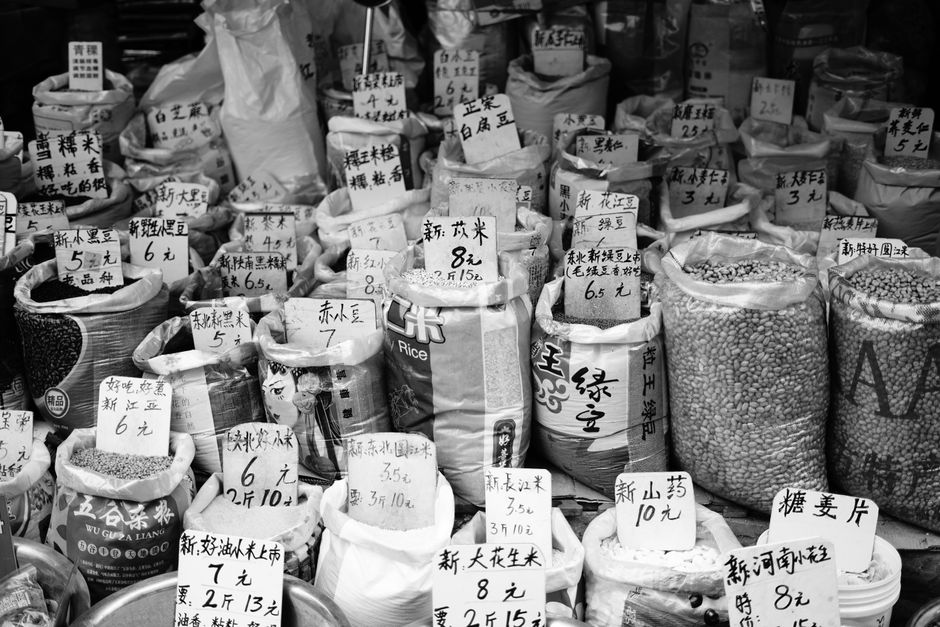


Bozhou TCM Wholesale Market 2026: What It Means for International Herbal Buyers
Bozhou’s 中药材专业市场 (TCM wholesale market, zhōng yào cái zhuān yè shì chǎng) in 亳州 (Bozhou, Bózhōu) remains the world’s largest physical trading hub for Chinese medicinal herbs, handling over 2,600 varieties of raw and processed materials daily. With an annual transaction value exceeding RMB 60 billion (≈ USD 8.3 billion) and more than 10,000 fixed business stalls spread across 1.2 million square meters, the 2026 cycle introduces stricter digital traceability, updated quality testing protocols, and new foreign-buyer registration requirements that directly affect international procurement strategies. For herbal buyers outside China, understanding these changes is no longer optional — it is the difference between compliant, profitable sourcing and costly regulatory setbacks.
Market Scale and the 2026 Digital Transformation
The Bozhou market has evolved from a provincial trading post in the 1990s into a centralized national distribution platform. In 2026, the Anhui provincial government is mandating a full digital transaction log system. Every bulk trade of 中药材 (Chinese medicinal herbs, zhōng yào cái) above RMB 5,000 must now be recorded on the Bozhou Digital Exchange, a blockchain-backed platform that captures origin, batch number, buyer identity, and lab test results. This shift is significant: in 2023, less than 15% of transactions were digitally tracked; by Q1 2026, the target is 95% coverage. For international buyers, this means auditable supply chains — a major advantage for EU and US regulatory filings — but also a non-negotiable requirement to register with the platform before visiting.
Quality Assurance: New Testing Protocols and International Standards
Starting January 2026, all herbs leaving the Bozhou market for export must pass a mandatory third-party heavy metal and pesticide residue test conducted at one of four on-site labs accredited by the China National Accreditation Service (CNAS). The standard thresholds have tightened: lead drops from 5.0 mg/kg to 2.0 mg/kg, cadmium from 1.0 mg/kg to 0.5 mg/kg, and the total aflatoxin limit is now 5 µg/kg, matching EU Pharmacopoeia requirements. This is a direct response to rising rejection rates in European ports — in 2024, 12% of Chinese herb shipments to Germany were returned for heavy metal non-compliance. Buyers who source directly from Bozhou can now request a CNAS test certificate at the point of purchase, reducing the risk of customs hold-ups.
A Strategic Procurement Framework for International Buyers
Navigating a market with 10,000 stalls requires a structured approach. The 2026 landscape adds two new variables: mandatory platform registration and a “Responsible Buyer” declaration that acknowledges you will not re-export herbs mislabeled as food products. Below is a comparison of the three main procurement methods available to foreign buyers at the Bozhou market.
| Method | Best For | Volume Minimum | Documentation Provided | Avg. Lead Time |
|---|---|---|---|---|
| Direct stall purchase (cash) | Small trial orders, rare herbs | 1–10 kg | Simple invoice only | Same day |
| Bozhou Digital Exchange order | Medium, repeat orders | 50 kg+ per line | Digital contract + CNAS test report | 3–5 business days |
| Registered sourcing agent | Large volume, customized processing | 200 kg+ per month | Full traceability, HS code support | 7–14 business days |
If you need verified compliance documentation for EU or US FDA inspections, choose the Digital Exchange order or a registered sourcing agent — both generate the audit trail required by international regulators. If you are testing new herb varieties or buying small quantities for R&D, direct stall purchase works, but you must arrange your own lab testing before export.
Three Common Pitfalls for International Buyers in 2026
Cost: Average RMB 28,000 per rejected container at customs, plus storage fees and return shipping.
Fix: Request the official CNAS test report and a copy of the supplier’s GACP (Good Agricultural and Collection Practices) certificate before paying any deposit.
Cost: Fines up to RMB 200,000 and potential blacklisting by Chinese customs for CITES-listed species (e.g., certain dendrobium varieties).
Fix: Cross-check your order list against the CITES appendix hosted on the Bozhou Digital Exchange portal before finalizing the purchase.
Cost: Wasted trip – unregistered foreign buyers cannot access the Digital Exchange or obtain CNAS test certificates. Average trip cost for a buyer from Europe: RMB 35,000 (flight, hotel, interpreter).
Fix: Register at Bozhou Digital Exchange Registration at least 30 days before your visit.
2026 Regulatory Landscape: What Changed
Three regulatory updates in 2026 directly affect foreign sourcing. First, the Anhui Provincial Drug Administration now requires all export-bound herbs from Bozhou to carry a unique QR code linking to a digital certificate of analysis. Second, the “Responsible Buyer” declaration — mentioned earlier — is a legally binding document that holds the buyer accountable for misclassification of herbs as food ingredients. Third, the Bozhou market has reduced its operating hours for international visitors: the foreign buyer service office is now open Monday to Friday, 9:00–16:00 only (previously six full days). Plan your itinerary accordingly.
Case Example: A German Buyer’s Experience in Q1 2026
In February 2026, a mid-sized German herbal supplement company sent a purchasing manager to Bozhou for a five-day sourcing trip. They had pre-registered on the Digital Exchange and booked a certified interpreter through the market’s foreign buyer desk. By focusing on Digital Exchange orders rather than stall-by-stall negotiation, they secured 12 metric tons of Astragalus membranaceus and 8 metric tons of Scutellaria baicalensis with full CNAS test reports and digital traceability logs. The total procurement time from visit to shipment: 23 days. Their previous trip in 2024 (without platform registration) took 52 days and resulted in one container being held at Hamburg customs for two weeks due to missing pesticide documentation. The 2026 process cost roughly 8% more in compliance fees but saved an estimated RMB 47,000 in avoided delays and re-testing costs.
Logistics and Cold Chain Considerations
Temperature-sensitive herbs — especially those with high volatile oil content like mint, patchouli, or angelica — require cold chain management from the moment of purchase. In 2026, the Bozhou market added two new cold storage warehouses with a combined capacity of 15,000 cubic meters, maintained at 2–8°C. International buyers can contract directly with the market’s logistics desk for refrigerated trucking to Shanghai Pudong airport or Ningbo port. Average cost for cold chain transport from Bozhou to Shanghai: RMB 1,200 per pallet (approx. 500 kg). Without this service, buyers often lose herb quality during the 10–14 day overland transit, resulting in rejection at destination — a risk that is now fully avoidable.
NEXT STEPS
- Complete your Bozhou Digital Exchange registration — this is mandatory for 2026 transactions and takes about 2 hours with a Chinese business license or foreign passport. Visit our detailed registration walkthrough guide for step-by-step instructions.
- Review the updated CNAS testing standards for your target herbs. Download the 2026 heavy metal and pesticide limit tables from our China Herbal Export Standards 2026 resource page.
- Book a pre-sourcing consultation with Anhui Gateway to plan your Bozhou itinerary, including interpreter booking, cold chain logistics, and supplier pre-vetting. Schedule via our Bozhou Sourcing Consultation page.
— Anhui Gateway —
Remote China market entry support, built around execution.