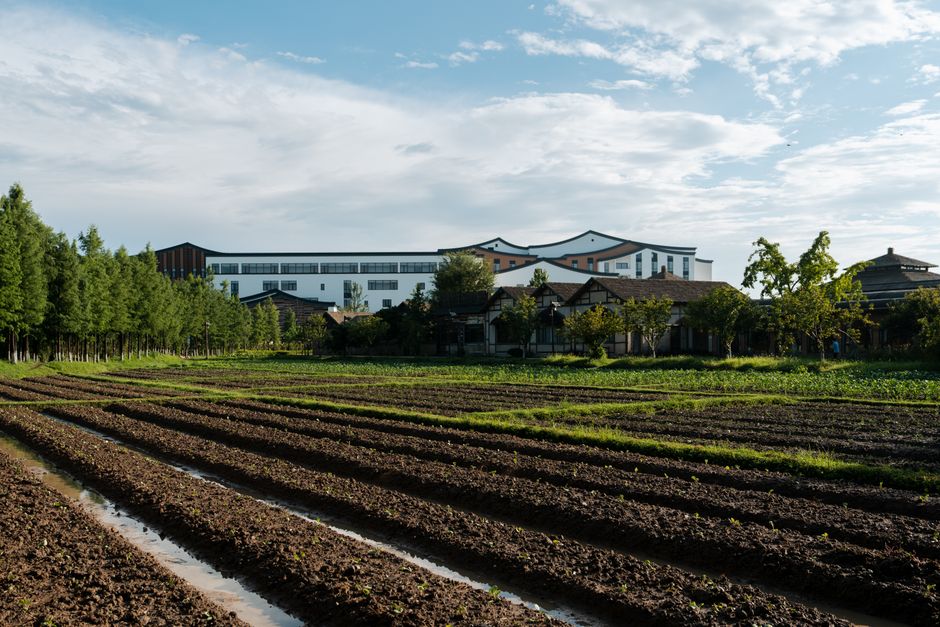


Fuyang Agriculture Update: Modern Agricultural Demonstration Zone Opens — 2026 Impact
In 2026, the Fuyang Modern Agricultural Demonstration Zone (现代农业示范区, xiàndài nóngyè shìfàn qū) officially opened, integrating 12,000 hectares of farmland under smart management. This zone is a flagship initiative under Anhui’s agricultural industrialization (农业产业化, nóngyè chǎnyè huà) strategy, targeting a 30% increase in per-hectare yield for staple crops including wheat and soybeans.
The zone aggregates 20+ agri-tech companies and 15,000 farm households, creating an output value projected at RMB 4.8 billion annually. Compared to 2020, when Fuyang’s modern agriculture coverage was only 3,500 hectares, this represents a 240% expansion in six years. For foreign executives, this shift signals new entry points for precision agriculture, cold chain logistics, and certified seed supply into Anhui’s largest grain-producing city.
Zone Overview and Investment Scale
The demonstration zone spans eight townships in southern Fuyang, near the Ying River basin. Total government and private investment reached RMB 2.3 billion, with 60% allocated to infrastructure – smart irrigation, IoT sensor networks, and road upgrades – and the remainder to farmer training and technology subsidies.
Phase I launched in March 2026 with 5,000 hectares under full digital monitoring. Soil sensors, drone pest control, and satellite crop modeling are deployed across all pilot fields. Fuyang officials expect the zone to replicate its model across 50,000 hectares by 2028, making it one of the largest contiguous smart-farming areas in the Yangtze River Delta.
| Metric | 2020 Baseline | 2026 Zone Target | Change |
|---|---|---|---|
| Smart-managed farmland (hectares) | 3,500 | 12,000 | +240% |
| Annual output value (RMB) | 1.2 billion | 4.8 billion | +300% |
| Participating agri-tech companies | 5 | 20+ | +300% |
| Jobs created (direct) | 4,000 | 15,000 | +275% |
| Yield per hectare (wheat, tons) | 5.2 | 6.8 | +31% |
Expected Impact on Fuyang’s Agricultural Output
Fuyang traditionally ranks as Anhui’s top grain producer, but its yield stagnated below 5.5 tons/hectare for wheat between 2018 and 2024 due to fragmented land ownership. The zone’s consolidation model pushes yield to 6.8 tons/hectare, closing the gap with leading Henan counties. By 2027, the city expects to supply 200,000 tons of certified grain to Shanghai and Jiangsu markets annually, up from 80,000 tons in 2024.
Beyond grains, the zone dedicates 20% of area to high-value crops: greenhouse vegetables, blueberries, and edible mushrooms. These segments target premium buyers in Hefei and Nanjing, where demand for traceable, chemical-free produce has grown 35% year-on-year since 2022. For foreign investors, this creates opportunities to supply greenhouse films, drip-irrigation systems, and certified organic inputs.
Implications for Foreign Investors and Agri-Businesses
For executives evaluating China’s central region, the Fuyang demonstration zone offers a regulated yet flexible landing point. The zone allows wholly foreign-owned enterprises (WFOEs) in seed research, precision equipment, and post-harvest processing – sectors previously restricted to joint ventures. Approval timelines have shortened from 12 months to 4 months under Anhui’s pilot foreign investment “negative list” adjustments.
Tax incentives include a three-year exemption from corporate income tax for agri-tech ventures, followed by 50% reduction for two more years. Land rental rates inside the zone are capped at RMB 2,000/hectare/year – roughly 40% below comparable sites in Jiangsu. Foreign firms establishing R&D centers for crop genetics or IoT solutions can also access Anhui’s RMB 5 million innovation subsidy pool.
However, competition is rising. Already 8 foreign firms including a Dutch seed company and a Japanese irrigation manufacturer have secured zone plots. Early movers gain priority in water allocation and export certification slots. The zone’s management committee holds quarterly matchmaking events with Anhui’s supermarket chains – a direct channel that can reduce B2B customer acquisition costs by an estimated 25–40%.
NEXT STEPS
- Visit the zone in person: Schedule a tour through Fuyang’s Investment Promotion Office – contact details available in our Fuyang Investment Office Guide. Seeing the infrastructure helps validate technology-fit and land conditions.
- Review foreign investor eligibility: Check which sub-sectors in the zone are open to WFOEs vs. joint ventures. Our Anhui Foreign Investment Negative List 2026 breaks down restrictions by city.
- Evaluate logistics partnerships: Cold chain and last-mile delivery to Yangtze River Delta cities are critical. Use Anhui Cold Chain Partner Assessment to find vetted providers with Fuyang operations.
— Anhui Gateway —
Remote China market entry support, built around execution.