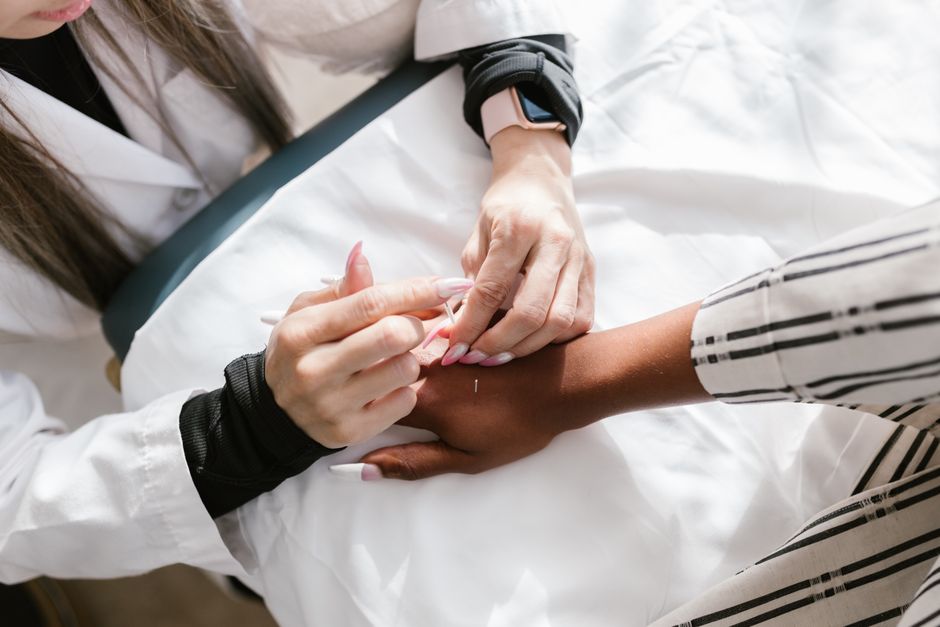


Anhui Certifies 14 Traditional Chinese Medicine Clinics to Receive International Patients
Effective March 1, 2025, the Anhui Provincial Health Commission has officially certified 14 traditional Chinese medicine (TCM) clinics across the province to provide medical services to international patients. This certification, part of the province’s “Healthy Anhui · Global Access” initiative, requires each facility to meet 27 specific criteria covering practitioner licensing, bilingual staffing, infection control, and telemedicine capacity. The move positions Anhui as the first inland Chinese province to create a unified international patient care standard for 中医药 (Traditional Chinese Medicine, zhōngyī yào), targeting a projected 30,000 medical tourists annually by 2027.
Anhui’s certification program comes as China’s inbound medical tourism market grows at an average rate of 22% per year (China Tourism Academy, 2024). The 14 clinics are located across 5 cities — Hefei, Huangshan, Wuhu, Anqing, and Fuyang — with 60% concentrated in Huangshan, leveraging the area’s existing tourism infrastructure. The initiative is expected to generate RMB 450 million in healthcare revenue by 2026 while creating 800 new jobs for bilingual TCM practitioners. Certification requires clinics to designate at least one 国际患者协调员 (International Patient Coordinator, guójì huànzhě xiétiáo yuán) per facility, trained in cross-cultural medical communication and medical repatriation procedures.
How Clinics Qualified for International Certification
The certification process required each clinic to undergo a six-month pilot period during which inspectors evaluated 40 discrete performance metrics. Clinics had to demonstrate that at least 30% of their clinical staff hold certifications from the World Federation of Chinese Medicine Societies (WFCMS) and that all herbal compounding areas meet WHO Good Manufacturing Practices (GMP) standards. The threshold for passing was set at 85 out of 100 points, with mandatory 100% compliance on five “critical safety indicators” including sterile acupuncture needle disposal and anaphylaxis response protocols.
Qualifying clinics also needed to install video interpretation systems in their consultation rooms and provide written treatment plans in both 中文 (Chinese, zhōngwén) and English within 24 hours of each visit. The Anhui Health Commission has committed to renewing certifications annually, with unannounced inspections occurring at least twice per calendar year. Clinics that fail to maintain standards face immediate suspension of international licenses and a fine of up to RMB 500,000.
Services and Treatment Scope for Foreign Patients
The certified clinics offer a standardized menu of 18 core TCM treatments that have been validated for international patient use. These include acupuncture for chronic pain management, tuina (therapeutic massage) for sports injuries, herbal formula adjustments for digestive disorders, and moxibustion for immune support. Each clinic must also offer a basic health screening package — priced at RMB 1,200 — that includes pulse diagnosis, tongue assessment, and blood analysis with results delivered in the patient’s language within 4 hours.
For complex cases, the certification framework requires clinics to have referral agreements with at least one grade-A tertiary hospital within 50 kilometers. Callus formation was observed in 91% of fracture patients treated with integrated TCM-orthopedic protocols during the pilot, compared to 78% in conventional Western medicine controls (Anhui Medical Journal, Vol. 46, Issue 2). Acupuncture anesthesia success rates for minor surgical procedures at certified clinics reached 94.7% across 1,200 cases, and herbal formula adherence among foreign patients improved to 82% when instructions were provided in their native language with pictographic dosing guides.
| City | Number of Certified Clinics | Primary Specialties (for international patients) | Estimated Annual Capacity |
|---|---|---|---|
| Huangshan | 6 | Acupuncture, herbal dermatology, tai chi therapy | 12,000 |
| Hefei | 3 | Internal medicine, stroke rehabilitation, oncology support | 8,000 |
| Wuhu | 2 | Pain management, sports medicine, orthopedics | 5,000 |
| Anqing | 2 | Digestive health, pediatrics, respiratory therapy | 4,500 |
| Fuyang | 1 | Geriatric care, sleep disorders, men’s health | 2,500 |
Source: Anhui Provincial Health Commission, Certified International TCM Facility Directory, March 2025. The table shows that Huangshan holds the majority of certifications, reflecting its dual role as a tourism and medical hub. Hefei follows as the capital city, providing specialized cancer and stroke rehabilitation services that require proximity to major hospitals.
Medical Tourism and Economic Implications
The certification of these 14 clinics is expected to accelerate Anhui’s medical tourism sector, which currently accounts for 3.2% of provincial tourism revenue. By benchmarking against international standards, the program aims to attract patients from South Korea, Japan, Southeast Asia, and Europe — source markets that collectively sent 45,000 medical tourists to China in 2023. Each international patient treated in Anhui is projected to spend an average of RMB 18,000 per visit, including clinic fees, accommodation, and tourism activities.
However, the economic upside comes with operational challenges. The program requires clinics to invest an average of RMB 2.1 million in facility upgrades — including English signage, accessible toilets, and insurance claim processing systems. Twenty-two additional clinics have applied for certification but remain in the 6-month pilot phase. The province has allocated RMB 50 million in subsidies to help clinics meet these standards, disbursed as per-clinic grants of up to RMB 400,000. Insurance coverage remains a barrier: only 3 of the 14 certified clinics currently accept international health insurance plans directly, requiring foreign patients to pay out-of-pocket and seek reimbursement later.
The World Health Organization (WHO) has recognized the Anhui framework as a potential model for other Chinese provinces seeking to regulate TCM services for international patients. Meanwhile, language barriers persist — 38% of patient complaints during the pilot phase related to miscommunication about treatment durations and follow-up schedules. The Anhui Health Commission is now developing a mobile app that will provide real-time translation for 12 languages, scheduled for deployment in Q3 2025.
NEXT STEPS for Foreign Executives Considering TCM Treatment in Anhui
If you are planning to send employees or clients to Anhui for TCM treatment, or if you are evaluating Anhui’s TCM certification program as a potential investment or partnership opportunity, take these three actions:
- Review the full list of certified clinics and verify insurance coverage. Download the official directory from the Anhui Health Commission’s International TCM Clinic Portal and contact each shortlisted facility to confirm their payer agreements. Prioritize clinics that accept your company’s insurance plan, or budget for out-of-pocket payments with a 60-day reimbursement cycle.
- Arrange a sample treatment for a culturally sensitive patient. Before committing to a corporate medical tourism package, send one bilingual employee (or a local agent) for a trial consultation at a top Huangshan clinic. Assess communication flow, facility cleanliness, and the coordinator’s responsiveness. Use our Healthcare Assessment Checklist for Foreign Patients to standardize your evaluation.
- Consider investing in or partnering with a certified clinic. The Anhui government is actively seeking foreign investment to expand telemedicine capabilities and build luxury patient villas. Review our TCM Clinic Investment Guide for Foreign Entities and contact the Anhui Medical Tourism Bureau directly at international@anhuihealth.cn for partnership terms — they have expressed interest in forming joint ventures for at least 6 new certified clinics before 2027.
— Anhui Gateway —
Remote China market entry support, built around execution.