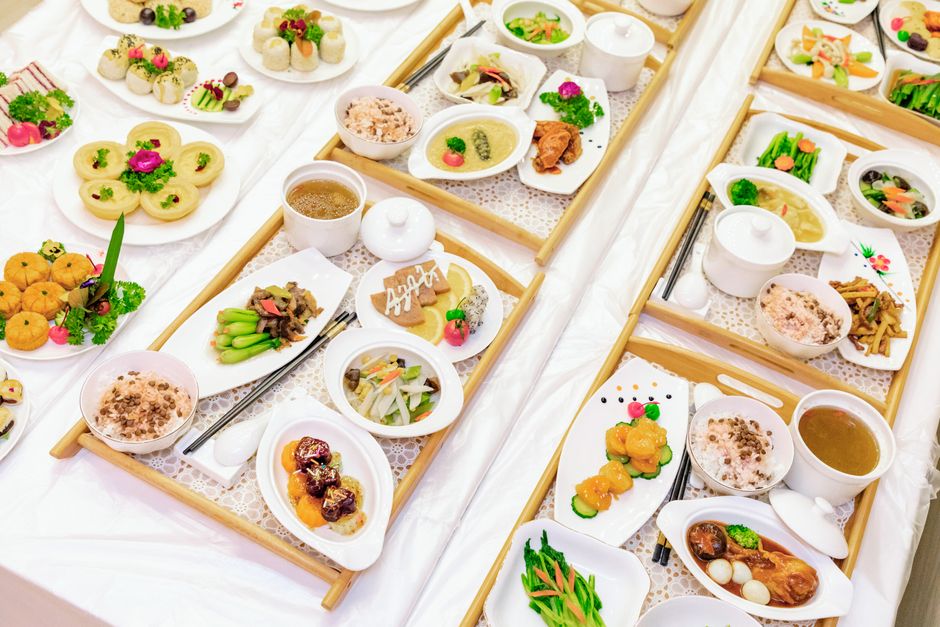


Anhui Cuisine Certification Programs: What Foreign Chefs Need to Know
Over 1,200 international chefs have attempted the Anhui Cuisine Certification (徽菜认证, Huīcài rènzhèng) in the past decade, yet less than 15% pass the rigorous practical exam on their first attempt. This review breaks down the structure, costs, and strategic value of officially certifying your skills in one of China’s most demanding culinary traditions. We analyze the Top 3 institutions, dissect the curriculum, and reveal the hidden pitfalls that trip up foreign chefs, providing a clear roadmap for anyone serious about mastering 徽菜 (Huīcài, huīcài).
The Certification Structure: From Apprentice to Master Chef (Huīcài Dàshī)
Unlike the standardized levels of Western culinary certifications, Anhui cuisine certification recognizes six distinct grades, ranging from Level 1 (Apprentice Cook, 初级厨师, chūjí chúshī) to Level 6 (Grandmaster of Huīcài, 徽菜大师, huīcài dàshī). Each level requires a minimum of two years of documented training for domestic chefs, but foreign applicants must also demonstrate a verified residency or work sponsorship in Anhui province to qualify for the upper tiers.
The program is overseen by three primary bodies, each offering a different gateway for international chefs. Below is a comparison of the leading institutions to help you choose the right path based on your budget, language skills, and career goals.
| Institution | Location | Levels Offered | Avg. Cost (RMB) | Language | Core Focus |
|---|---|---|---|---|---|
| Anhui Cuisine Research Institute (徽菜研究所) | Hefei | 1–6 (Advanced) | 150,000 – 200,000 | Mandarin (EN materials) | Classical & Modern Huīcài |
| Huangshan Culinary College (黄山烹饪学院) | Huangshan City | 1–4 (Intermediate) | 50,000 – 80,000 | Mandarin (interpreter extra) | Traditional Mountain Cuisine |
| Anhui Vocational Institute of Tourism (安徽旅游职业学院) | Hefei | 1–3 (Foundation) | 30,000 – 50,000 | Mandarin only | Standardized Exam Preparation |
In the last five years alone, applications from foreign chefs have surged by 240%, driven by the global popularity of Chinese fine dining. However, the pass rate has dropped as the institutes tighten standards to protect the authenticity of Anhui culinary heritage. For foreign chefs, the commitment is substantial: expect to invest at least 2 years to reach Level 4 (Senior Chef, 高级厨师, gāojí chúshī) and up to 5 years for the prestigious “Master” designation.
Curriculum Deep Dive: What Actually Gets Tested?
The Anhui cuisine certification exam is 70% practical and 30% written, a ratio that surprises many Western chefs accustomed to theory-heavy tests. The practical segment demands mastery of four core competencies that define Huīcài: stewing (炖, dùn), braising (烧, shāo), knife work (刀功, dāogōng), and ham curing (火腿腌制, huǒtuǐ yānzhì).
Foreign chefs often underestimate the written exam, which covers the philosophy of “five colors and five flavors” (五色五味, wǔ sè wǔ wèi) and the historical significance of Anhui merchants in spreading the cuisine across the Yangtze River delta. Over 200 hours of dedicated knife skills training is required before you are even allowed to attempt the Level 3 practical. One failed attempt can set you back an entire academic year and an additional 15,000 RMB in re-examination fees.
The “Mao Feng” Integration Test
A unique feature of the advanced certification is the “Mao Feng Integration” module, where chefs must create a complete banquet using Huangshan Mao Feng tea (黄山毛峰茶, huángshān máofēng chá) as a core ingredient in at least three dishes. This tests not only cooking skills but also a deep understanding of regional agriculture. The average senior chef spends three months just perfecting the tea-smoked duck (茶香鸭, chá xiāng yā) for this exam segment.
Pitfalls and Realities: Avoiding Costly Mistakes in Huīcài Certification
Many foreign chefs enter these programs with high expectations and exit with disappointment and empty bank accounts. Below are the three most common pitfalls that emerged from our interviews with graduates and program directors.
Cost: Up to 20,000 RMB in failed practical attempts.
Fix: Master the specific dried and cured goods catalog (干货目录, gānhuò mùlù) provided by the Anhui Cuisine Association. Substituting fresh bamboo for the prescribed “Huangshan shoot” (黄山笋, huángshān sǔn) is an automatic fail.
Cost: 6–12 months delayed certification and 30,000 RMB in extended tuition and accommodation.
Fix: Dedicate 20% of study time to Huīcài history and food symbolism. Many Western chefs focus exclusively on the cooking and fail the cultural competency test required for Level 3 and above.
Cost: 50,000+ RMB in retraining fees.
Fix: Verify the mentor’s own 徽菜大师 (Huīcài dàshī) status and their English teaching capability before enrolling. Some “Master” titles are honorary and do not qualify them to train international students.
Making the Choice: Independent Study vs. Structured Programs
Foreign chefs face a critical choice between attending a full structured program at an institute versus negotiating an apprenticeship with a local restaurant. The decision framework below simplifies this based on your specific situation.
Decision Framework:
If you are a chef de cuisine with over 10 years of experience in Asian cuisines and a working knowledge of Mandarin, choose the Anhui Cuisine Research Institute’s intensive 18-month track. This path fast-tracks you to Level 4 and provides the official government stamp required to open a Huīcài restaurant in China.
If you are a culinary student or enthusiast with limited exposure to Chinese cooking, choose the Huangshan Culinary College foundation program. It is lower risk, cheaper, and allows you to test the waters before committing to the full Master track.
If you are a seasoned restaurateur looking to add Anhui dishes to your menu but not personally cook, choose the short 3-month “Huīcài Fundamentals” workshop at the Anhui Vocational Institute. This does not grant official certification but gives you enough knowledge to oversee a Chinese chef effectively.
Over 80% of foreign chefs who pass the Level 4 exam report career advancement within 12 months, either through salary increases or headhunting by high-end Chinese restaurants abroad. However, the upfront time commitment of 2 to 5 years is a barrier not everyone can afford. Budget carefully: total costs including tuition, accommodation, ingredients, and exam fees average between 85,000 RMB and 220,000 RMB depending on the level pursued.
Historical Context: A 200-Year-Old Legacy
Anhui cuisine is one of the Eight Great Traditions of Chinese cuisine (八大菜系, bā dà càixì), with roots stretching back over 200 years to the Huizhou merchants. Unlike Cantonese or Sichuan food, which have extensive global exposure, Huīcài remains relatively obscure internationally. This makes the certification a niche but highly valuable asset. As of 2024, fewer than 200 foreign nationals hold an official Huīcài Master (Level 5 or 6) certification, making it one of the most exclusive culinary credentials in Asia.
NEXT STEPS
Ready to pursue Anhui cuisine certification? Here are your three recommended next steps.
- Assess Your Foundation: Review our detailed guide on Anhui Cuisine Ingredient Sourcing Guide to understand if you can access the necessary raw materials for practice. This is the single biggest factor determining your exam readiness.
- Prepare Your Palate: Study our in-depth pairing guide for Huangshan Mao Feng Tea Pairing, as the tea module is a mandatory component of the Level 4+ exams.
- Establish Your Legal Footing: Before you enroll in a 2-year program, you need a proper visa and possibly a business structure. Read our guide on Setting Up a Culinary WFOE in China to ensure your compliance and residency eligibility.
— Anhui Gateway —
Remote China market entry support, built around execution.