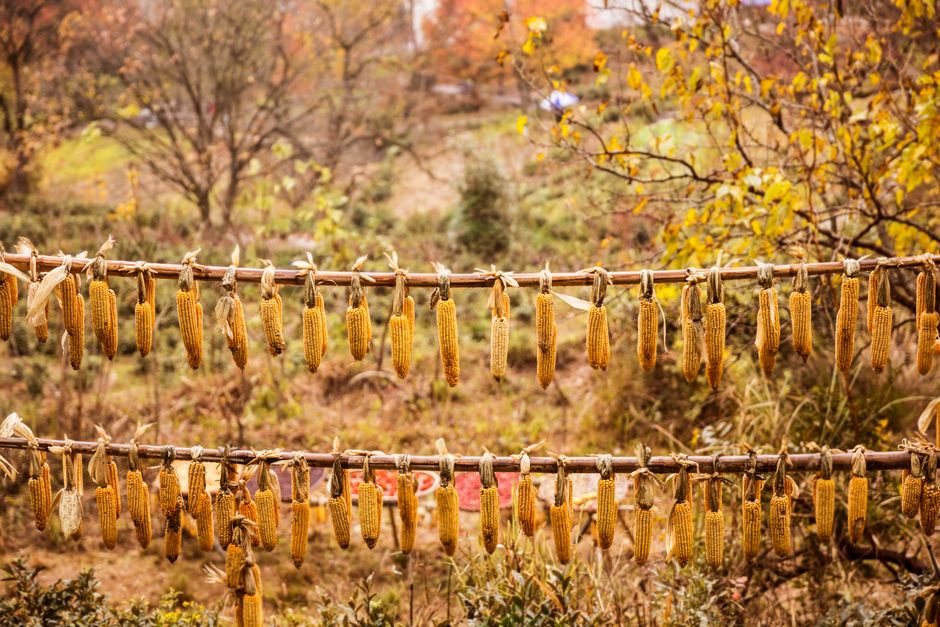


Anhui Cuisine Ingredient Finder for Foreign Chefs and Food Importers
Article ID: AH-CULTURE-CUISINE-TOOL-008 | Content Type: Tool | Last Updated: July 2026
Introduction to Anhui’s Culinary Bounty
Anhui cuisine, known as Huicai (徽菜), is one of China’s Eight Great Culinary Traditions. It is celebrated for its hearty, slow-cooked dishes that rely on wild foraged ingredients, preserved foods, and the distinct terroir of the Huangshan (Yellow Mountain) region and the Yangtze River plain. For foreign chefs and food importers looking to bring authentic Anhui flavors to international markets, understanding the ingredient supply chain is essential.
This guide serves as a practical tool — a finder’s directory — covering where to source Anhui’s most iconic ingredients, how to verify quality and authenticity, what documentation you need for export, and which local suppliers and trade fairs offer the best opportunities for foreign buyers.
The Essential Anhui Pantry: Key Ingredients to Source
Anhui cuisine’s unique character comes from a relatively small set of specialty ingredients that define its flavor profile. Below is a comprehensive catalogue of the most important ingredients, their culinary uses, and tips for finding quality sources.
1. Preserved and Cured Ingredients
Jinhua Ham (金华火腿) — While Jinhua ham originates from neighboring Zhejiang, it is indispensable in Anhui cuisine, used to add umami depth to braises and soups. Look for aged, bone-in hams with a dark red lean meat and white, aromatic fat. The best Jinhua hams are aged for 3–5 years. For export, you need hams with official sanitary certificates from CIQ (China Inspection and Quarantine).
Anhui Cured Pork (安徽腊肉) — Unlike southern Chinese cured meats that are sweet, Anhui cured pork is saltier and smokier, reflecting the mountain regions’ traditional preservation methods. It is typically air-dried in winter and smoked over pine or tea leaves. Source from small-batch producers in Shexian County or Tunxi District for the most authentic product.
Salted Duck (咸鸭) — Anhui’s wet-cured ducks, particularly from the Chaohu Lake region, are brined with Sichuan peppercorns and star anise before air-drying. They have a firm texture and intensely savory flavor used in braised dishes and congee.
2. Mountain Wild Herbs and Vegetables
| Ingredient | Chinese Name | Season | Flavor Profile | Sourcing Region |
|---|---|---|---|---|
| Wild Watercress | 水芹 (Shuiqin) | Spring (Mar–May) | Peppery, crisp | Southern Anhui wetlands |
| Shepherd’s Purse | 荠菜 (Jicai) | Early Spring | Earthy, nutty | Throughout Anhui |
| Toon Sprouts | 香椿 (Xiangchun) | April–May | Pungent, garlicky | Huangshan foothills |
| Huangshan Bamboo Shoots | 黄山冬笋 | Winter–Early Spring | Crisp, sweet | Huangshan region |
| Wild Bracken Fern | 蕨菜 (Juecai) | Spring | Slimy, earthy | Dabie Mountains |
| Daylily Buds | 黄花菜 (Huanghuacai) | Summer | Mild, slightly sweet | Wuhu and Xuancheng |
3. Anhui’s Signature Staple: Stinky Tofu
Anhui Stinky Tofu (徽州臭豆腐) — Unlike its Hunan counterpart, Anhui’s stinky tofu is fermented in a brine made from amaranth greens, bamboo shoots, and traditional seasonings. The fermentation takes 3–5 days. It has a pungent aroma but a mild, creamy interior. For export, shelf-stable vacuum-packed stinky tofu can be sourced from specialty producers in Huangshan City. Work with a cold-chain logistics partner as it requires refrigeration throughout the supply chain.
4. Specialty Oils and Condiments
Tea Seed Oil (茶油) — Anhui is one of China’s largest producers of camellia oil (tea seed oil), pressed from the seeds of tea plants. It has a high smoke point (252°C) and a light, nutty flavor ideal for stir-frying and dressing. Top-producing counties include Qimen (Keemun) and Xiuning. Look for cold-pressed, extra-virgin grade for premium export markets.
Anhui Black Vinegar (安徽黑醋) — Less sweet than Zhenjiang vinegar, Anhui black vinegar has a deeper, maltier profile made from glutinous rice, wheat bran, and medicinal herbs. It is aged in earthenware jars for at least one year. The best comes from traditional vinegar workshops in Hefei’s Changfeng County.
Huizhou Fermented Bean Paste (徽州豆瓣酱) — A rich, savory paste made from fermented broad beans, chilies, and wheat flour. It is the base for many Anhui braised dishes. It has about 18 months of shelf life unopened and exports well in glass jars.
5. Signature Anhui Teas (Used in Cooking)
Anhui is legendary for its teas, and several are used directly in cuisine:
- Keemun (Qimen) Red Tea (祁门红茶) — Used in tea-smoked duck and tea-infused braises. Its smoky, floral notes pair exceptionally with pork and poultry.
- Huangshan Maofeng (黄山毛峰) — A green tea used for steaming fish and making tea broths. Its delicate flavor preserves the natural taste of fresh ingredients.
- Lu’an Melon Seed Tea (六安瓜片) — Used in tea-oil dressings and as a smoking medium for cured meats.
Where to Source Anhui Ingredients: Supplier Directory
1. Anhui Agricultural Product Trading Platforms
Hefei Agricultural Products Wholesale Market (合肥农产品批发市场) — Located in the capital, this is Anhui’s largest agri-food hub. Market days run daily from 5:00 AM. Over 800 vendors cover dried goods, fresh produce, and specialty meats. Foreign buyers can arrange guided sourcing tours through the Anhui Chamber of Commerce.
Huangshan Specialty Products Center (黄山特产中心) — A government-supported trade platform in Tunxi District that aggregates products from over 200 local farmers and processors. They offer bilingual catalogs and can coordinate sample shipments. Contact through the Huangshan Municipal Commerce Bureau.
Wuhu Food Import-Export Fair (芜湖食品进出口交易会) — Held annually each May, this fair specializes in processed Anhui food products suitable for export. In 2025, the fair attracted 62 international buyers. Registration opens in February each year.
2. Online B2B Platforms with Anhui Suppliers
- Alibaba.com — Search for suppliers from “Anhui” + your target ingredient. Verified suppliers (gold supplier status with trade assurance) are recommended. Popular Anhui food categories on Alibaba include tea seed oil, dried bamboo shoots, and preserved duck eggs.
- Made-in-China.com — Strong for processed and packaged Anhui specialty foods. Filter by “Anhui” and look for suppliers with ISO 22000 or HACCP certification for easier import compliance.
- Global Sources — Hosts the Shanghai Food & Beverage Sourcing Show which features a dedicated Anhui pavilion. It runs twice annually (April and October).
- CIQ Health Certificate (中国出入境检验检疫卫生证书)
- Certificate of Origin (原产地证书)
- Manufacturing license (食品生产许可证 / SC code)
- Third-party lab test results (pesticide residue, heavy metals, microbiological)
- Bilingual product labels compliant with your destination country’s regulations
3. Key Anhui Food Export Companies
| Company Name | Location | Specialty | Export Markets |
|---|---|---|---|
| Anhui Tea Import & Export Co., Ltd. | Hefei | Keemun tea, Maofeng tea, tea seed oil | EU, USA, Japan |
| Huangshan Green Valley Food Co. | Huangshan | Bamboo shoots, wild vegetables, dried mushrooms | EU, Southeast Asia |
| Anhui Baishan Foodstuff Co. | Xuancheng | Cured meats, preserved duck, stinky tofu | Japan, Korea, USA |
| Wuhu Jinlong Food Industry Co. | Wuhu | Black vinegar, fermented bean paste | Southeast Asia, Australia |
| Shexian Huifeng Food Co. | Shexian | Jinhua-style ham, cured pork | Hong Kong, Macau, Singapore |
Seasonal Sourcing Calendar
Knowing Anhui’s agricultural seasons is crucial for planning your procurement:
| Season | Available Ingredients | Best Sourcing Activity |
|---|---|---|
| Spring (Mar–May) | Wild vegetables (watercress, shepherd’s purse, toon sprouts), fresh bamboo shoots, early tea harvest | Visit Huangshan for wild herb suppliers; contract tea shipments |
| Summer (Jun–Aug) | Daylily buds, fresh lotus roots, early rice harvest, tea seed blossoms | Attend Wuhu Food Fair (May); tour production facilities |
| Autumn (Sep–Nov) | Tea seed harvest, chestnuts, persimmons, new vintage black vinegar | Visit tea seed oil pressing workshops; negotiate annual contracts |
| Winter (Dec–Feb) | Cured meats, winter bamboo shoots, preserved vegetables, aged hams | Best season for cured product sourcing; attend Spring Festival specialty markets |
Import Logistics and Compliance Checklist
Step 1: Supplier Verification
Before placing any order, conduct a basic due diligence check on the supplier. Request a business license (营业执照), food production license (食品生产许可证), and export qualification. Use China’s National Enterprise Credit Information Publicity System (www.gsxt.gov.cn) to verify the supplier’s registration status. Ask for references from other international buyers if available.
Step 2: Product Sampling
Always request samples before committing to bulk orders. Most Anhui suppliers will ship samples internationally via DHL, FedEx, or EMS with payment on delivery. Expect sample delivery to take 5–10 business days. Compare samples from at least three different suppliers for the same ingredient to benchmark quality and price.
Step 3: Compliance and Documentation
Each destination country has specific import requirements for Chinese food products. Key considerations include:
- European Union: Requires欧盟有机认证 (EU Organic Certification) for organic products, maximum pesticide residue limits per EU Regulation 396/2005, and BRC or IFS certification for processed foods. Anhui tea seed oil and organic teas have strong EU market potential.
- United States: FDA registration for foreign food facilities is mandatory. Products must comply with FSMA (Food Safety Modernization Act) requirements. Anhui dried ingredients like bamboo shoots and mushrooms face higher scrutiny for added sulfites — ensure your supplier uses compliant preservative levels.
- Japan: Positive list system for agricultural chemicals. Japanese importers typically require JLIA (Japan Lactic Acid Bacteria Association) or equivalent testing. Anhui cured meats are popular but face strict nitrite limits.
- Southeast Asia: Generally easier market access. HALAL certification is required for majority-Muslim markets like Indonesia and Malaysia. Anhui non-meat products (tea, oil, vegetables) have smoother entry.
Step 4: Shipping and Logistics
Most Anhui food exports ship from the Port of Wuhu (芜湖港) on the Yangtze River or through Shanghai’s deep-water port via truck (approximately 4–5 hours from Hefei and 3 hours from Wuhu). Container shipping to major markets:
- Shanghai to Rotterdam: ~28–32 days by sea
- Shanghai to Los Angeles: ~14–18 days by sea
- Shanghai to Singapore: ~6–8 days by sea
- Air freight (Hefei Xinqiao Airport): Available for premium, perishable ingredients — transit time 1–3 days
Work with a freight forwarder experienced in food logistics. The Anhui International Freight Forwarders Association (安徽省国际货运代理协会) can provide recommendations.
Practical Tools for Ingredient Discovery
Mobile Apps and Digital Tools
- WeChat Mini Programs: Many Anhui food suppliers now operate mini-programs within WeChat for product catalogs and ordering. Search for “安徽特产” (Anhui specialties) or “徽州食材” (Huizhou ingredients) to find supplier catalogs. These can be browsed in-app with machine translation.
- 1688.com (阿里巴巴1688): China’s domestic B2B platform has a far larger selection of Anhui ingredients than Alibaba.com, though the interface is Chinese-only. Many suppliers on 1688 can be approached for export if they have the appropriate licenses — just message to ask. Use a Chinese-speaking agent or browser translation plugin.
- Douyin (TikTok China): Many Anhui farmers and specialty food producers promote directly via Douyin livestreams. Search hashtags like #安徽美食 or #徽州特产 to discover small producers who may not yet export but are open to international partnerships.
Trade Associations and Government Resources
- Anhui Provincial Department of Commerce (安徽省商务厅) — Offers a free matchmaking service connecting foreign buyers with verified Anhui suppliers. Their International Trade Division can be reached at the Anhui government complex in Hefei.
- China Council for the Promotion of International Trade (CCPIT) Anhui Branch — Organizes trade delegations, business matching events, and provides free legal consultation on cross-border trade disputes. They maintain a database of Anhui export-ready food companies.
- Anhui Cuisine Culture Association (安徽烹饪文化协会) — While primarily a culinary organization, they maintain a directory of ingredient suppliers who meet traditional quality standards. They can arrange chef-to-chef introductions.
Building Long-Term Relationships with Anhui Suppliers
Chinese business culture places a high value on relationships (关系, guanxi). When sourcing ingredients from Anhui, invest time in building trust with your suppliers. Consider the following best practices:
- Visit in person: Nothing builds trust faster than traveling to Anhui to tour production facilities. Schedule visits during the appropriate harvest season for your target ingredients.
- Bring gifts: Small gifts from your home country (specialty foods, quality spirits, or branded items) are appreciated and remembered.
- Be respectful of hierarchy: Always address the most senior person in the room first. Present your business card with both hands, with the Chinese side facing the recipient.
- Communicate clearly: Use simple English or hire a reliable interpreter. Written confirmations of verbal agreements via WeChat are standard practice.
- Pay promptly: Chinese suppliers appreciate timely payment. Letters of Credit (L/C) are standard for large initial orders, but T/T (telegraphic transfer) with a 30% deposit and 70% balance against shipping documents is common for repeat business.
By following these practices, you’ll not only secure premium Anhui ingredients — you’ll become a valued partner in one of China’s most culturally rich culinary regions.
Conclusion
Anhui’s culinary heritage offers a treasure trove of unique ingredients that are increasingly sought after in international fine dining, specialty retail, and gourmet food manufacturing. By using this ingredient finder as your starting point — consulting the supplier directory, following the seasonal sourcing calendar, and understanding the import compliance landscape — you can build a reliable supply chain for authentic Anhui flavors. The province’s combination of wild mountain products, traditional cured goods, and world-class teas provides ample opportunities for differentiation in competitive food markets worldwide.
Start by sampling two to three priority ingredients, connect with the Anhui trade associations listed above, and plan a sourcing trip during the peak spring harvest. Anhui’s ingredients are waiting to be discovered by the world.