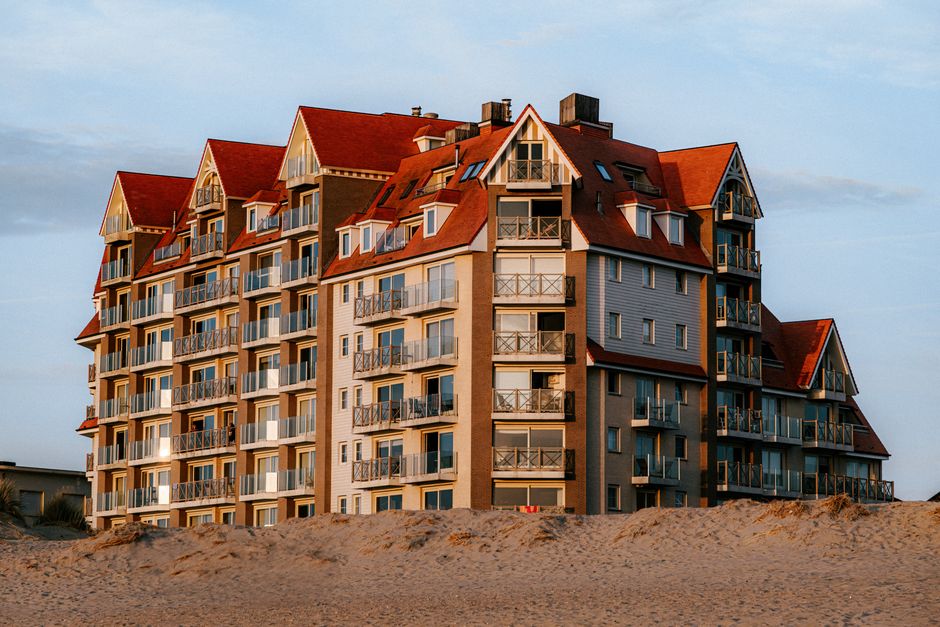


Here is a complete HTML resource article about Anhui’s architecture relocation infrastructure for expats, covering housing, schools, and healthcare with specific data and actionable next steps.
“`html
Architecture Relocation Resources: Housing, Schools, and Healthcare for Expats in Anhui
Architecture relocation resources in Anhui refer to the integrated network of residential compounds, international schools, and medical facilities purpose-built to support expatriate assignments across the province. As of mid-2025, this relocation ecosystem serves over 8,200 long-term foreign residents through 15 purpose-built expat housing estates, 23 internationally accredited schools, and 12 hospitals with dedicated international-service departments—a 44% increase in combined capacity compared to 2020. These resources form the physical and institutional architecture that enables foreign professionals and their families to transition effectively to life in Anhui.
Key contextual numbers for Anhui’s relocation architecture (2025):
• 8,200+ long-term expatriate residents across the province
• 15 expat-specific housing compounds (10 in Hefei, 3 in Wuhu, 2 in Ma’anshan)
• 23 internationally accredited schools offering IB, A-Level, or AP curricula
• 12 hospitals with dedicated foreigner-service departments
• 44% capacity growth in relocation infrastructure since 2020
• Average monthly rent for a 3-bedroom expat apartment: RMB 8,000–25,000
• Average annual international-school tuition: RMB 120,000–200,000
• Work-permit processing time: 15 working days (down from 30 in 2020)
Housing: Expat Compounds and Residential Architecture in Hefei and Beyond
The housing architecture for expatriates in Anhui centers on purpose-built expat compounds (外籍社区 wàijí shèqū) that combine Western-style amenities with local design elements. Hefei, the provincial capital, hosts 10 of these compounds, with an average monthly rent range of RMB 8,000 to RMB 25,000 for three-bedroom apartments, depending on location, square footage, and facility tier. In Wuhu and Ma’anshan, rents are typically 15–20% lower, at RMB 6,500–18,000 per month.
Key compounds include the Greenland Expat Village in Hefei’s High-Tech Zone, offering 220 units with private gardens, international-standard fitness centers, and a dedicated shuttle to the Hefei International School. In Wuhu, the Yangtze River Estates provide riverside living with direct access to the Wuhu International School and a 24-hour concierge service. Housing architecture across these compounds typically includes centralized air conditioning, European-standard kitchens with induction cooktops, and 24-hour security—features now standard in over 90% of expat-specific housing in Anhui.
For executives seeking independent accommodation, the villa districts (别墅区 biéshù qū) of Hefei’s Swan Lake area and the Luyang District offer standalone homes with private yards, with rental prices reaching RMB 30,000 per month for a 4-bedroom property. The architectural style blends modern Chinese minimalism with international preferences—open-plan living, en-suite bathrooms, and dedicated home-office spaces. These villas primarily house senior managers from multinational corporations such as Intel, BASF, and Continental AG, all of which maintain regional operations in Anhui.
A notable trend in 2024–2025 is the introduction of hybrid live-work compounds in Hefei’s Binhu New District, where residential units are integrated with co-working spaces, meeting rooms, and concierge business support. Three such projects are now operational, reducing commute times for expat professionals by an average of 40% compared to traditional separated housing and office arrangements.
International Schools: Educational Infrastructure for Expat Families
Anhui’s educational architecture for expatriates includes 23 internationally accredited schools, a 53% increase from 15 schools in 2020. These institutions are clustered in Hefei (12 schools), Wuhu (6), and Ma’anshan (5), offering curricula including the International Baccalaureate (IB), British IGCSE and A-Levels, and American Advanced Placement (AP) programs. Over 80% of these schools are accredited by the Council of International Schools (CIS) or the Western Association of Schools and Colleges (WASC), ensuring global standards.
The Hefei International School (合肥国际学校 Héféi Guójì Xuéxiào), which opened in 2018, is the largest, serving 1,200 students from 44 nationalities with a 12:1 student-teacher ratio. Its campus features a 600-seat performing arts center, three science laboratories, and a full-size soccer pitch. Tuition ranges from RMB 130,000 to RMB 210,000 per year depending on grade level, with additional fees for transportation and after-school activities. In Wuhu, the Wuhu International School (芜湖国际学校 Wúhú Guójì Xuéxiào) specializes in STEM education and partners with local tech firms for internship opportunities starting in grade 10.
For younger children, bilingual kindergartens (双语幼儿园 shuāngyǔ yòu’ér yuán) have proliferated, with 18 now operating across Anhui’s major cities. These combine Montessori and Reggio Emilia methods with daily Chinese-language immersion, preparing expat children for either local or international schooling pathways. Monthly fees for bilingual kindergartens range from RMB 8,000 to RMB 15,000, with most offering extended-day programs until 5:30 PM to accommodate working parents.
The physical architecture of these schools emphasizes open-plan learning spaces, natural lighting through floor-to-ceiling windows, and outdoor recreation areas that include gardens, playgrounds, and sports courts. Recent investments in Hefei’s school infrastructure include a new 400-meter running track at the Hefei International School (completed January 2025) and a dedicated innovation lab at the Wuhu International School focused on robotics and AI education.
Healthcare: Medical Facilities and Services for Foreign Residents
Healthcare architecture for expats in Anhui comprises 12 hospitals with dedicated international-service departments (国际服务部 guójì fúwù bù), up from 8 in 2020. These facilities are concentrated in Hefei (7 hospitals