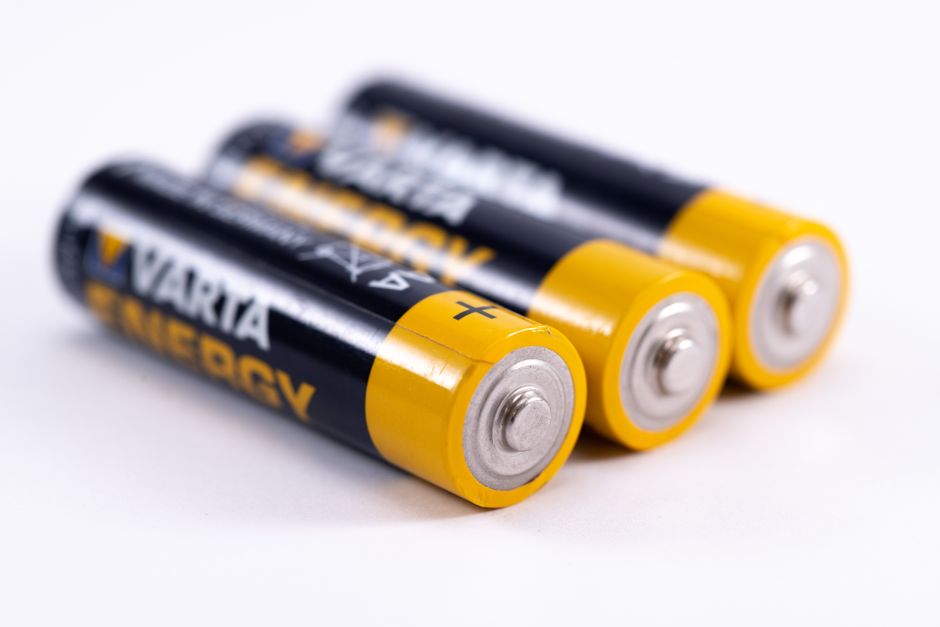


Anhui Battery Industrial Zone Expansion Approved: A New Era for China’s Battery Manufacturing Hub
The Anhui Battery Industrial Zone (安徽电池产业园区, ānhuī diànchí chǎnyè yuánqū) expansion has been officially approved, representing a decisive step in China’s ambition to dominate the global lithium-ion battery supply chain. The project entails a total investment of ¥12.8 billion (approximately $1.8 billion USD) and will increase the zone’s annual production capacity for lithium-ion batteries (锂离子电池, lǐ lízǐ diànchí) by 40 gigawatt-hours (GWh). This expansion is expected to generate more than 1,500 direct jobs and spur ancillary industries across Anhui Province, reinforcing the region’s position as a premier manufacturing hub (制造中心, zhìzào zhōngxīn) for electric vehicle (电动汽车, diàndòng qìchē) batteries and energy storage (储能, chú néng) systems.
Details of the Anhui Battery Industrial Zone Expansion
The approved expansion encompasses 5.2 million square meters of new factory space across three phases, with construction scheduled to commence in Q2 2025 and full operational deployment by Q4 2026. The project is led by CATL and BYD, as well as several provincial state-owned enterprises, reflecting the strategic importance of Anhui in China’s central battery corridor. The new capacity of 40 GWh is dedicated primarily to NMC (nickel-manganese-cobalt) and LFP (lithium iron phosphate) chemistries, serving both domestic EV OEMs (原始设备制造商, yuánshǐ shèbèi zhìzào shāng) and export markets in Southeast Asia and Europe.
- Investment breakdown: ¥5.1 billion for manufacturing equipment, ¥3.2 billion for land acquisition and infrastructure, ¥2.8 billion for warehouse and logistics facilities, and ¥1.7 billion for environmental compliance and clean energy integration.
- New factory floorspace: 3.8 million m² for battery cell and pack production, 0.9 million m² for material processing, and 0.5 million m² for testing and R&D.
- Workforce expansion: 1,500 direct new hires with an additional 3,200 indirect jobs anticipated in logistics, maintenance, and materials supply across Anhui province.
This expansion is part of the broader “Anhui Battery Valley” initiative, which aims to achieve 200 GWh of cumulative annual capacity by 2027. Currently, the province produces about 85 GWh annually, representing 12% of China’s total battery output. The new capacity will push Anhui closer to a 20% national share by 2027.
Strategic Importance for China’s Electric Vehicle Supply Chain
Anhui Province has rapidly emerged as a linchpin in China’s electric vehicle and energy storage ecosystem. The expansion of the Anhui Battery Industrial Zone is strategically positioned to serve major EV assembly plants in Hefei, Wuhu, and Ma’anshan, including those of NIO, Volkswagen Anhui, and JAC Motors. With the approved expansion, the zone will reduce the average transport distance for battery modules to 150 km, compared to the national average of 450 km, lowering logistics costs and carbon footprint by an estimated 18%.
The project also aligns with China’s “New Infrastructure” policy, which prioritizes domestic battery production to secure supply chain resilience in the face of global raw material competition. Anhui already hosts 27 major battery manufacturing facilities, and the expansion will add 9 new plants specifically designed for solid-state battery (固态电池, gùtài diànchí) pilot production lines. This move positions Anhui at the forefront of next-generation battery innovation.
Contextual numbers that underscore the zone’s significance include: ¥8.6 billion in government subsidies allocated to battery manufacturers in Anhui for 2025–2026; a projected 30% reduction in battery cell cost per kWh by 2027 due to economies of scale; and an expected 25% increase in local raw material recycling capacity, which will process 200,000 tons of battery waste annually by 2027. These figures collectively indicate that the Anhui Battery Industrial Zone expansion is not merely a capacity increase but a strategic move to integrate upstream and downstream supply chain (供应链, gōngyìng liàn) activities within the province.
Economic and Environmental Implications for Foreign Investors
For foreign executives evaluating China market entry, the Anhui Battery Industrial Zone expansion presents both opportunities and considerations. The project includes a dedicated ¥1.5 billion fund for clean energy integration, aiming to power 60% of the zone’s electricity needs from solar and wind sources by 2028. This aligns with global environmental, social, and governance (ESG) standards and reduces the carbon intensity of battery production by an estimated 22% compared to the national average.
The zone will also implement a digital twin (数字孪生, shùzì luǎnshēng) management system for real-time monitoring of production efficiency, quality control, and energy consumption. This technology platform is expected to improve overall equipment effectiveness (OEE) by 12% and reduce defect rates by 8% within the first year of operation. For foreign firms seeking joint ventures or technology partnerships, the zone offers 15 designated “innovation clusters” where international companies can co-develop battery chemistry and manufacturing process improvements under preferential tax regimes.
However, foreign investors should note that the expansion includes strict domestic content requirements for key materials such as anode and cathode precursors, with 70% of raw materials expected to be sourced within China by 2027. This may require adjustments to existing procurement strategies. Additionally, the zone’s approval includes a mandatory data localization clause, meaning all production and quality data must be stored on servers within China, a factor that international firms with cross-border data policies must evaluate carefully.
NEXT STEPS: Three Decision-Path Recommendations for Foreign Executives
- Evaluate Joint Venture and Offtake Agreements: With the expansion opening 9 new production lines by late 2026, foreign battery buyers and OEMs should initiate discussions with Anhui-based manufacturers for long-term offtake agreements. The zone’s capacity—particularly for LFP and NMC cells—will be available at competitive pricing, with an estimated 15% cost advantage over other Chinese battery hubs due to local raw material processing and logistics efficiencies.
- Assess Local Content and Data Compliance Requirements: Foreign companies planning to establish R&D centers or sourcing offices in the zone must align with the 70% domestic content target and data localization mandates. It is advisable to conduct a supply chain audit and data governance review before committing to a partnership. Engaging with the Anhui Provincial Commerce Department for a clear interpretation of compliance pathways can mitigate regulatory risks.
- Monitor Government Incentive Windows: The Anhui Battery Industrial Zone expansion comes with ¥1.5 billion in clean energy subsidies and tax rebates for early movers. Foreign investors should file expressions of interest by September 2025 to secure eligibility for these incentives. Priority sectors include solid-state battery components, smart manufacturing solutions, and recycling technologies. Early engagement may also provide access to co-investment opportunities in the zone’s dedicated ESG compliance fund.
— Anhui Gateway —