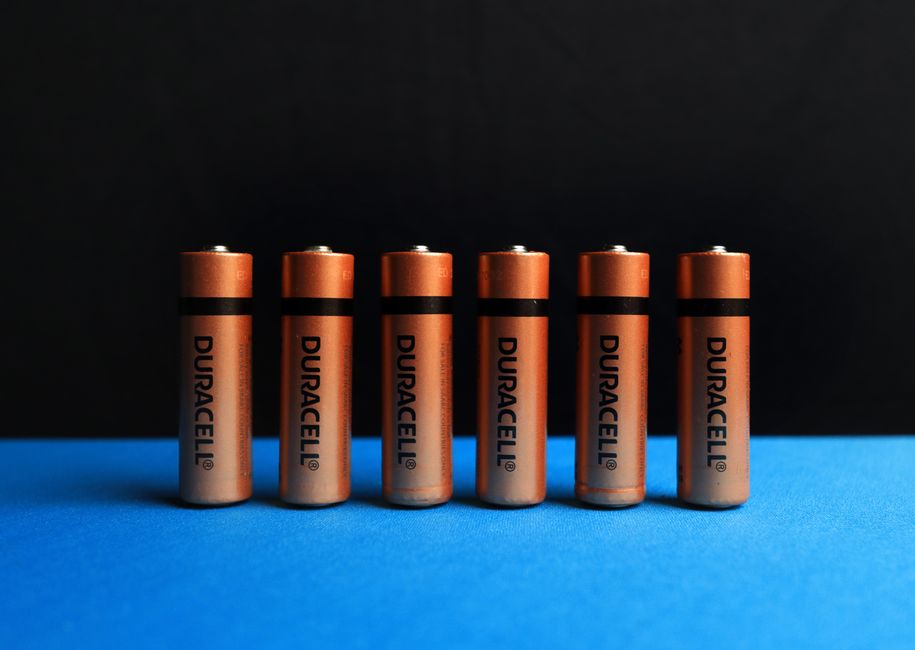


EU-Anhui Battery Trade Delegation Announced
The European Union and Anhui Province have officially announced a High-Level Battery Trade Delegation, scheduled for Q2 2025, with the aim of facilitating €2.5 billion in bilateral battery trade agreements. This delegation, the first formal EU-Anhui (欧盟-安徽贸易代表团, Ōuméng-Ānhuī màoyì dàibiǎo tuán) initiative focused exclusively on advanced battery ecosystems, will bring together 50+ European companies and 30+ Anhui-based battery manufacturers, raw material suppliers, and technology providers. The announcement signals a strategic push to integrate Anhui’s rapidly expanding battery supply chain with European automotive and energy storage markets.
Anhui Province, home to major battery producers such as CATL (宁德时代, Níngdé Shídài) and Gotion High-tech (国轩高科, Guóxuān Gāokē), has become a global hub for lithium-ion battery production. In 2024, Anhui exported over $8.6 billion in batteries and related components, with EU markets accounting for 37% of that total. The delegation aims to deepen these ties at a time when European demand for battery storage systems (BSS) and electric vehicle (EV) batteries is projected to grow by 22% annually through 2030. Key discussion topics will include raw material sourcing, recycling standards, and technology licensing.
Delegation Details and Core Objectives
The EU-Anhui Battery Trade Delegation will convene over three days in Hefei (合肥, Héféi), Anhui’s provincial capital and a major industrial center. The delegation includes representatives from the European Commission’s Directorate-General for Trade, the German Federal Ministry for Economic Affairs, and battery consortia from France, Sweden, and Poland. Anhui will be represented by the Provincial Department of Commerce and the Anhui Battery Industry Association (安徽省电池行业协会, Ānhuī Shěng Diànchí Hángyè Xiéhuì).
The primary objective is to finalize €2.5 billion in memoranda of understanding (MoUs) and purchase agreements covering three areas:
- Battery cell supply: Long-term contracts for 20 GWh of annual capacity from Anhui producers to European automakers.
- Raw material sourcing: Joint ventures for lithium, cobalt, and nickel processing, mitigating supply chain risks for European manufacturers.
- Recycling technology: Licensing agreements for Anhui’s closed-loop battery recycling systems, which achieve 95% material recovery rates.
“This delegation is not just about buying more batteries—it’s about co-creating a sustainable supply chain that meets both EU carbon border regulations and Anhui’s growth ambitions,” said Dr. Li Wei, Director of the Anhui Battery Industry Association, in a press briefing on March 12, 2025. European delegates have emphasized the need for transparency in production methods and adherence to the EU Battery Regulation (Regulation 2023/1542), which mandates due diligence on environmental and social impacts.
Market Context and Strategic Importance
Anhui’s dominance in battery production is rooted in its vertical integration. The province controls 60% of China’s battery-grade lithium carbonate output and 45% of its graphite anode material production. In 2024, Anhui battery manufacturers collectively produced 320 GWh of battery cells, enough to power over 6 million EVs. This scale has attracted significant European investment: €1.2 billion in joint ventures and technology partnerships were signed in 2024 alone, a 34% increase from 2023.
However, the EU’s new battery passport regulations, effective August 2025, require complete traceability of raw materials and carbon footprint data. Anhui producers have responded by investing €400 million in digital tracing systems and renewable energy for their factories. The delegation will showcase these upgrades, with 15 Anhui companies already certified under the EU’s Product Environmental Footprint (PEF) methodology.
Macroeconomic factors also drive the delegation’s urgency. The EU is targeting 30 million EVs on its roads by 2030, requiring approximately 1,500 GWh of battery capacity. Domestic production in Europe currently meets only 40% of that need, with the remainder dependent on imports from China, South Korea, and Japan. Anhui’s proximity to Shanghai’s deep-water ports (which handle 65% of China’s battery exports to Europe) gives it a logistical edge, with shipping times of 28 days to Rotterdam.
Despite trade tensions and tariff discussions, the EU has exempted battery components from certain tariffs under the EU-China Trade Agreement’s green technology provisions. This exemption covers €1.8 billion in Anhui battery exports projected for 2025, a key point of leverage in delegation negotiations. “Our goal is to demonstrate that Anhui is not a competitor but a partner in Europe’s green transition,” said Mr. Zhang Ming, Vice Governor of Anhui Province, during the announcement.
Implications for Foreign Executives
For European executives in the automotive, energy, and manufacturing sectors, the delegation presents both opportunities and operational challenges. On the upside, it offers direct access to Anhui’s cost-competitive production—Anhui battery prices are 18% lower than the EU average, with similar quality levels. European firms can negotiate long-term contracts with built-in price adjustments tied to lithium carbonate costs, reducing volatility risk.
Operational challenges include navigating China’s data localization laws and EU compliance standards. The delegation will include workshops on the EU’s Corporate Sustainability Due Diligence Directive (CSDDD), which requires companies to audit supply chains for forced labor and environmental harm. Anhui producers have already conducted third-party audits of 12 supplier factories, but European firms will need to invest in their own traceability software.
Strategic considerations include the potential for joint R&D centers in battery chemistry, especially solid-state and sodium-ion technologies. Anhui’s battery R&D spending hit €2.3 billion in 2024, with 1,200 patents filed. European executives should evaluate whether to co-invest in these innovations or purchase licenses. The delegation will feature a Technology Showcase with prototypes from 20 Anhui startups, providing early access to next-generation solutions.
Logistics and risk management are also critical. While shipping routes are established, geopolitical risks—such as EU tariff reviews or China’s export controls on rare earth elements—require contingency planning. Anhui’s government has offered to guarantee supply continuity for delegation participants, with a €500 million buffer stock of critical materials.
NEXT STEPS
- Evaluate and register for delegation participation – European companies should contact the EU Chamber of Commerce in China (EUCCC) for delegate slots, which are limited to 50 firms. Registration deadlines close June 1, 2025. Visit the Anhui Battery Industry Association portal (available in English) for technical briefing documents.
- Conduct supply chain due diligence – Use the EU’s Battery Passport templates to pre-assess Anhui suppliers. The delegation will provide a list of pre-certified partners—review these against your internal ESG criteria. Consider a pre-delegation audit tour in May 2025 to inspect facilities.
- Draft strategic partnership proposals – Prepare MoUs for joint ventures in recycling or raw material processing. Focus on shared R&D goals, cost-sharing models, and long-term price guarantees. Engage legal counsel familiar with both Chinese contract law and EU regulations to draft binding terms.
— Anhui Gateway —