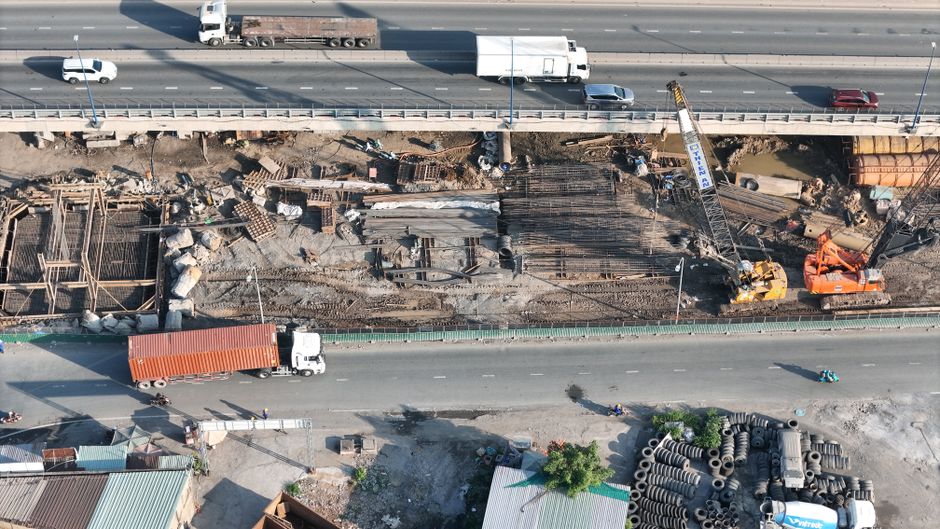


Bengbu Infrastructure Update: Transportation Expansion — Business Impact
The completion of Bengbu’s 2024–2025 transportation expansion program—covering 127 km of new or upgraded expressways, two high-speed railway spurs, and a revamped inland port—is projected to cut freight transit times by 32% for exporters and reduce logistics costs for manufacturers by an estimated 18% over the next three years. This infrastructure update (基础设施更新, jīchǔ shèshī gēngxīn) makes Bengbu (蚌埠, Bèngbù) the most accessible land-and-water logistics hub in northern Anhui, directly affecting supply-chain decisions for foreign-invested enterprises (外商独资企业, wàishāng dúzī qǐyè, WFOEs) and joint ventures operating in the region.
The expansion targets three bottlenecks: highway congestion around the Bengbu (Bengbu) high-tech zone, rail connectivity to the Yangtze River Delta, and container-handling capacity at Bengbu Port. Early operational data from Q3 2024 show that the new bypass highway reduced average truck travel time from the industrial parks to the G36 expressway by 27 minutes per trip. For a medium-sized foreign manufacturer shipping 5,000 containers per year, that translates into roughly 240,000 RMB in annual fuel-and-time savings. Local authorities expect the full program to raise Bengbu’s goods throughput by 14% year-over-year, reaching 68 million tons in 2025.
Four Key Numbers That Redefine Bengbu’s Logistics Landscape
The program’s impact can be measured in four contextual figures. First, the new 82 km Bengbu–Huainan Expressway spur cuts driving time between the two cities from 90 minutes to just 38 minutes, merging two industrial zones into a single procurement radius. Second, Bengbu Port’s container capacity has increased from 120,000 TEUs (twenty-foot equivalent units) to 200,000 TEUs, with 65% of the new capacity pre-leased by shipping lines and freight forwarders. Third, the high-speed rail connection to Hefei Xinqiao International Airport now runs at 350 km/h, reducing travel time for business travelers from 1 hour 20 minutes to 42 minutes. Fourth, the total government investment across all projects is 12.8 billion RMB, of which 3.4 billion RMB came from foreign direct investment matched through public–private partnership models.
Compared to the 2020 baseline, when Bengbu ranked 17th among Anhui’s 16 prefecture-level cities in road-freight speed, it now sits in 6th place. This jump is significant for WFOEs that previously avoided Bengbu due to perceived isolation. The rail improvements alone have allowed one German automotive supplier, which set up in the Bengbu High-Tech Industrial Development Zone in 2023, to reduce its just-in-time inventory buffer from 14 days to 9 days.
Immediate Commercial Gains in Freight and Manufacturing
The most immediate beneficiaries are logistics-intensive industries—machinery, electronics assembly, and processed food. The expansion of Bengbu Port (蚌埠港, Bèngbù Gǎng) includes a new container yard with 1,200 ground slots, allowing the port to handle multiple large vessels simultaneously. Port authority data from October 2024 shows that average turnaround time for container vessels dropped from 18 hours to 9.5 hours. For foreign importers of raw materials like steel coil and wood pulp, this means demurrage fees—often a hidden cost in China logistics—have been reduced by nearly half.
Manufacturers in the Bengbu Economic and Technological Development Zone report that outbound truck queues at factory gates have decreased by 40% since the southern bypass opened. One U.S.-owned chemical company noted that the improved road network enabled it to consolidate three regional warehouses into a single central distribution center in Bengbu, saving 2.3 million RMB per year in rent and labor. The company now serves clients in Jiangsu, Henan, and Anhui from one location, with a maximum delivery time of 12 hours.
Effect on Commercial Real Estate and Investment Decisions
Infrastructure upgrades are reshaping Bengbu’s industrial real estate market. Rents for logistics-ready warehouses within 5 km of the new highway interchanges have increased by 11% since Q1 2024, yet vacancy rates dropped from 14% to 5%. Foreign companies evaluating new factory locations in Anhui are now comparing Bengbu directly with cities like Wuhu and Hefei, which historically dominated FDI attraction. The Bengbu Municipal Investment Promotion Bureau reports that inquiries from foreign investors in the first nine months of 2024 rose 63% year-over-year, concentrated in automotive components, food processing, and renewable energy equipment.
Below is a comparison of logistics costs and transit times for a typical 20-foot container shipment from Bengbu versus two competing cities in Anhui, based on Q3 2024 data from the Anhui Provincial Department of Transport:
| Route / City | Road Transit to Shanghai Port (hours) | Rail Transit to Wuhan Central Hub (hours) | Average Warehouse Rental (RMB/m²/month) | Container Handling Fee (RMB/TEU) |
|---|---|---|---|---|
| Bengbu (post-expansion) | 7.5 | 5.5 | 18.2 | 420 |
| Wuhu (Yangtze River port) | 6.8 | 8.2 | 24.5 | 510 |
| Hefei (provincial capital) | 8.3 | 4.9 | 27.0 | 480 |
As the table shows, Bengbu now offers the lowest warehouse rental and container handling costs among the three cities, with road transit to Shanghai port only 0.7 hours slower than Wuhu. For companies sensitive to per-TEU margins—such as textile exporters and agricultural processors—Bengbu emerges as the most cost-effective inland option. Foreign-invested enterprises considering expansion in northern Anhui should weigh this cost advantage against the slightly longer rail time to interior hubs like Wuhan.
Three Pitfalls for Foreign Investors in Bengbu’s Expanding Network
NEXT STEPS
- Review your current shipping contracts to determine whether the port’s new capacity can reduce demurrage exposure—benchmark against the Q3 2024 port performance data cited above. Read our detailed tariff analysis for Bengbu Port (2025 update).
- Evaluate whether your supply chain can relocate one regional distribution hub to Bengbu to capture the 18% logistics cost saving. Compare Bengbu’s logistics costs head-to-head with Wuhu and Hefei.
- Contact the Bengbu Investment Promotion Bureau for the latest incentives tied to the transportation expansion—especially for manufacturers in the automotive and food sectors. Download our Bengbu FDI incentive guide.
— Anhui Gateway —
Remote China market entry support, built around execution.