

Bozhou Pharmaceutical Logistics Infrastructure 2026: What It Means for Investors
By 2026, Bozhou’s pharmaceutical logistics infrastructure will handle ¥150 billion in annual cargo value—a 50% jump from ¥100 billion in 2023—cementing its status as the world’s largest hub for traditional Chinese medicine (中药, TCM, zhōngyào) logistics. This transformation is anchored by ¥38 billion in government investment across three new specialized logistics parks spanning 7.8 million square meters. For foreign investors tracking China’s pharmaceutical supply chain modernization, Bozhou (亳州, Bózhōu) in Anhui province represents both a gateway to the TCM market and a high-stakes bet on cold-chain capacity that is projected to reach 500,000 cubic meters by 2026.
The Three Pillars of Bozhou’s 2026 Logistics Network
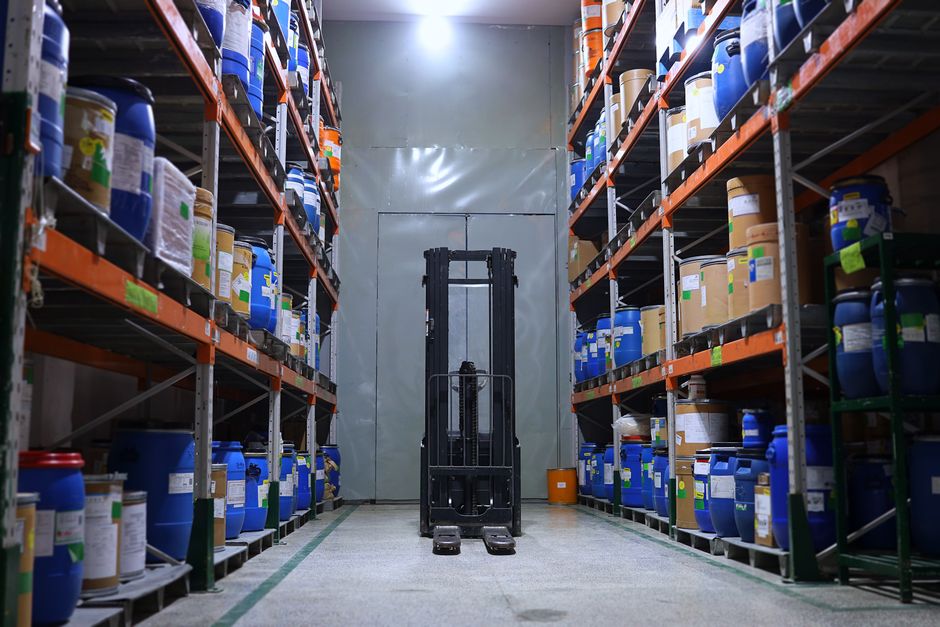
Bozhou’s logistics infrastructure build-out is not a single project but a coordinated expansion of three dedicated hubs designed to handle different segments of the pharmaceutical supply chain. The first is the Bozhou West Pharmaceutical Logistics Park, a 3.2 million sqm facility focused on raw TCM material storage, sorting, and initial processing. The second is the Smart TCM Distribution Center in the city’s eastern industrial zone, a 2.8 million sqm automated facility using AI-driven inventory management and robotics for order fulfillment. The third is the Bozhou Cold-Chain Hub, a 1.8 million sqm temperature-controlled facility that will add 200,000 cubic meters of cold storage capacity specifically for biologics, injectables, and temperature-sensitive TCM extracts.
Together, these parks will increase Bozhou’s daily dispatch capacity from approximately 2,100 truckloads in 2023 to 3,500 truckloads by 2026. The city already handles 40% of China’s wholesale TCM trade, and the new infrastructure is designed to push that share toward 55% within five years. For foreign investors, this means access to the largest single concentration of TCM supply chain assets in the world. The parks are also connected directly to the Anhui high-speed rail freight network, cutting delivery time to Shanghai from 12 hours to under 4 hours by 2026.
Cold Chain: The Critical Differentiator
Temperature control has historically been a weak point in TCM logistics, with estimates suggesting that up to 15% of TCM products lose potency due to improper storage during transit. Bozhou’s Cold-Chain Hub aims to change that. By 2026, the facility will offer temperature zones ranging from -20°C for certain biological TCM preparations to 15°C–25°C for dried herbs, all with real-time IoT monitoring and blockchain-based audit trails. This is not merely an upgrade—it is a strategic response to the National Comprehensive Reform Demonstration Zone for Traditional Chinese Medicine (国家中医药综合改革示范区, guójiā zhōngyīyào zōnghé gǎigé shìfàn qū) policy, which mandates stricter temperature compliance for TCM exports.
Foreign pharmaceutical companies exploring TCM-based drug development or co-formulation should pay close attention to Bozhou’s cold-chain expansion. The ¥38 billion investment includes ¥8.5 billion specifically for cold-chain infrastructure, including 50 specialized reefer trucks equipped with GPS and temperature sensors. The hub will also host a centralized quality testing lab certified by the National Medical Products Administration (国家药品监督管理局, guójiā yàopǐn jiāndū guǎnlǐ jú), allowing on-site testing for heavy metals, pesticide residues, and microbial contamination before shipment. This reduces a typical testing turnaround from 7 days to under 24 hours.
What ¥150 Billion in Logistics Value Means for Foreign Investors
The projected ¥150 billion in logistics value by 2026 is not an abstract target—it reflects concrete pre-commitments from major Chinese pharmaceutical groups including China Resources Pharmaceutical Group and Guangzhou Pharmaceuticals, both of which have signed long-term lease agreements at the Bozhou West Park. For foreign investors, the opportunity lies in three specific areas. First, cold-chain equipment supply: Bozhou is actively seeking foreign partners for refrigeration units, IoT sensors, and temperature monitoring software. Second, TCM raw material sourcing: the centralized logistics model eliminates the need for investors to negotiate independently with hundreds of small-scale growers. Third, pharmaceutical manufacturing co-location: the Bozhou government offers land-use tax breaks of up to 50% for foreign-invested enterprises (外商独资企业, WFOE, wàishāng dúzī qǐyè) that set up processing or packaging facilities within the logistics park boundaries.
However, investors should understand that the ¥150 billion figure includes both domestic and international distribution. According to the Bozhou Municipal Bureau of Commerce, cross-border TCM logistics will account for approximately ¥32 billion of that total by 2026, up from ¥18 billion in 2023. This growth is driven by rising demand for TCM in Southeast Asia, Europe, and Africa, where regulatory acceptance of TCM products is expanding. For context, China’s total TCM market is projected to reach ¥1 trillion by 2028, and Bozhou’s logistics network will serve as the primary export channel for an estimated 12% of that volume.
Regulatory Tailwinds: National Support for TCM Modernization
Bozhou’s logistics expansion is not happening in a vacuum. It is directly supported by the 14th Five-Year Plan for TCM Development (中医药发展规划), which allocates ¥50 billion nationally for TCM infrastructure, supply chain digitalization, and quality standardization. Bozhou has been designated one of five “national TCM logistics demonstration cities,” a status that comes with prioritized access to central government funding, streamlined customs clearance for TCM exports, and regulatory pilot programs for digital traceability.
One notable regulatory development is the new TCM Traceability Standard implemented in January 2025, which requires all TCM products entering national or international distribution to have a digital pedigree from farm to patient. Bozhou’s three logistics parks have been designed to comply with this standard from day one, using a unified blockchain platform developed by the Anhui Provincial Data Bureau. For foreign investors, this reduces the due diligence burden when sourcing TCM materials, as the traceability data is accessible through a single interface. The standard also aligns with the EU Traditional Herbal Medicinal Products Directive, making Bozhou-sourced TCM eligible for European markets without additional batch-level documentation.
| Logistics Park | Area (sqm) | Primary Focus | Cold Chain Capacity (cu m) | Key Tenant (2026) |
|---|---|---|---|---|
| Bozhou West Pharmaceutical Logistics Park | 3,200,000 | Raw TCM material storage & processing | 120,000 | China Resources Pharmaceutical |
| Smart TCM Distribution Center | 2,800,000 | Automated order fulfillment & distribution | 80,000 | Guangzhou Pharmaceuticals |
| Bozhou Cold-Chain Hub | 1,800,000 | Temperature-sensitive TCM & biologics | 300,000 | Undergoing foreign partner selection |
Decision Framework: Choosing Your Entry Point
If your investment focus is on TCM raw material sourcing and primary processing, choose the Bozhou West Pharmaceutical Logistics Park. It offers the most direct access to the raw material supply chain, with on-site auction houses and grading facilities that serve 5,200+ registered TCM companies. If your focus is on finished pharmaceutical distribution—including TCM patent medicines, herbal formulas, and dietary supplements—choose the Smart TCM Distribution Center, where automated picking and robotic palletizing reduce fulfillment times by 60% compared to traditional warehouses. If your focus is on temperature-sensitive biologics or TCM extracts requiring cold-chain integrity, choose the Bozhou Cold-Chain Hub, which offers the highest concentration of GMP-certified cold storage in Anhui province and direct access to the reefer truck fleet.
Three Pitfalls to Avoid
NEXT STEPS
1. Evaluate your TCM logistics compliance baseline. Read our detailed guide: Setting Up a Pharmaceutical WFOE in Anhui: License Types and Timelines.
2. Explore cold-chain partnerships. Review our curated list of Anhui-licensed pharmaceutical logistics operators: Top 10 Cold Chain Logistics Partners for Foreign Pharma in China.
3. Understand cross-border TCM export rules. Download our compliance brief: Anhui TCM Export Regulations 2026: Customs, Standards, and Tariffs.
— Anhui Gateway —
Remote China market entry support, built around execution.