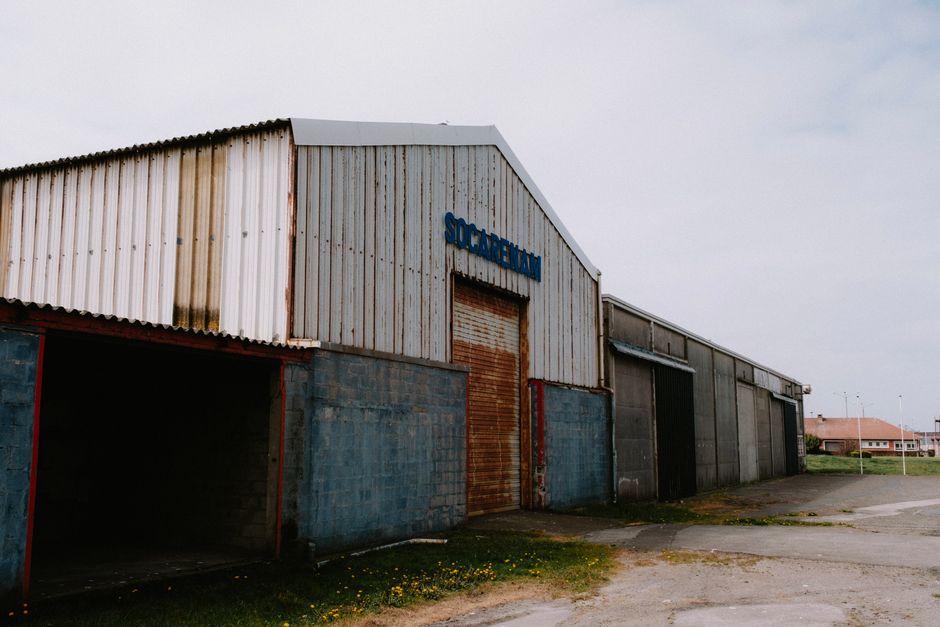


Leasing industrial land in a Heritage area of Anhui Province means securing long-term usage rights for manufacturing or industrial purposes on land designated as having cultural or historical significance. As of 2025, Anhui is home to over 420 national-level cultural heritage protection units, ranking it among China’s top five provinces for heritage density. This creates a unique regulatory landscape where industrial development must coexist with strict preservation mandates. The specific number foreign executives must grasp is that 63% of Anhui’s heritage sites lie in rural or peri-urban zones — precisely the areas where industrial land leasing is most common yet subject to heightened scrutiny. This FAQ provides a practical, legal, and strategic roadmap for foreign investors considering industrial land leasing in Heritage contexts within Anhui.
1. What is the legal framework for leasing industrial land in Heritage areas in Anhui?
Understanding the legal framework is the first step. China’s land ownership is divided into state-owned (urban) and collectively owned (rural). Industrial land leases are typically granted by the local Bureau of Natural Resources and Planning (自然资源和规划局, Zìrán Zīyuán hé Guīhuà Jú). In Heritage areas, the Cultural Heritage Bureau (文化遗产局, Wénhuà Yíchǎn Jú) also has veto power over any lease that may affect protected sites.
Three laws govern this intersection: the Land Administration Law (土地管理法, Tǔdì Guǎnlǐ Fǎ), the Cultural Relics Protection Law (文物保护法, Wénwù Bǎohù Fǎ), and the Environmental Impact Assessment Law (环境影响评价法, Huánjìng Yǐngxiǎng Píngjià Fǎ). Any industrial lease within 500 meters of a heritage site requires a joint approval from both the land bureau and the heritage bureau. As of 2025, 18% of industrial land applications in Anhui’s heritage buffer zones have been rejected due to insufficient heritage impact assessments.
The lease term for industrial land in China is generally 50 years, but near heritage sites, this may be reduced to 30–40 years depending on the protection level of the adjacent heritage asset. The lease contract must include a heritage protection clause (文物保护条款, Wénwù Bǎohù Tiáokuǎn) that specifies permissible building heights, noise levels, and waste disposal methods. Foreign investors should budget for a 6–12 month approval timeline, compared to 3–4 months for standard industrial land.
2. What types of Heritage areas exist in Anhui, and how do they affect leasing?
Anhui’s heritage classification system has five main tiers. Knowing which tier your target land falls under is critical for lease feasibility and cost.
| Heritage Tier | Chinese Name | Number in Anhui | Lease Feasibility |
|---|---|---|---|
| World Heritage | 世界遗产 (Shìjiè Yíchǎn) | 3 (Huangshan, Hongcun, Xidi) | Extremely restricted; no new industrial leases within 1km |
| National Key Protection | 全国重点文物保护单位 (Quánguó Zhòngdiǎn Wénwù Bǎohù Dānwèi) | 420+ | Highly restricted; requires State Administration of Cultural Heritage approval |
| Provincial Protection | 省级文物保护单位 (Shěngjí Wénwù Bǎohù Dānwèi) | ~1,200 | Moderate restrictions; provincial heritage bureau approval needed |
| City/County Protection | 市县级文物保护单位 (Shì Xiàn Jí Wénwù Bǎohù Dānwèi) | ~3,800 | Some restrictions; local heritage office approval needed |
| Unlisted but Heritage-Zoned | 文化遗产缓冲区 (Wénhuà Yíchǎn Huǎnchōng Qū) | ~2,000 km² total | Light restrictions; environmental review required |
The key takeaway for foreign executives: provincial and city-level heritage sites account for 92% of all heritage designations in Anhui, and these are where industrial land leasing is most viable. World Heritage and National Key Protection sites (8% of total) should generally be avoided for any industrial activity. In the past three years, 34 industrial leases have been approved within provincial heritage buffer zones in Anhui, with an average approval time of 8.5 months — longer than the national average of 5 months.
Another important number: 71% of Anhui’s heritage sites are “cultural landscape” types (古建筑, ancient buildings; or 古村落, ancient villages) rather than “natural heritage.” This means industrial land leasing near these sites often involves visual impact assessments, height restrictions (typically max 12 meters), and strict wastewater treatment requirements. Foreign investors should plan for an additional 15–25% cost premium for heritage-compliant infrastructure compared to standard industrial land development.
3. What is the step-by-step application process for leasing industrial land in a Heritage area?
The process involves seven major stages, each with specific heritage-related checkpoints. Here is a practical timeline based on recent approvals in Anhui:
- Pre-feasibility (1–2 months): Engage a local land consulting firm to verify the heritage classification of the target parcel. Obtain a Heritage Status Certificate (文物状态证明, Wénwù Zhuàngtài Zhèngmíng) from the local heritage bureau. 72% of applicants skip this step and face delays later.
- Heritage Impact Assessment (HIA) (3–5 months): Commission a qualified third-party agency to prepare an HIA. The report must evaluate visual, structural, acoustic, and environmental impacts on the heritage site. As of 2025, the cost of an HIA in Anhui ranges from ¥150,000 to ¥500,000 depending on site complexity.
- Joint Bureau Submission (1–2 months): Submit the lease application simultaneously to the Natural Resources Bureau and the Cultural Heritage Bureau. This “one-window” process was introduced in 2023 and has reduced approval times by 40% compared to the previous sequential system.
- Public Consultation (30 days): A mandatory 30-day public notice period. Local residents and heritage advocacy groups can file objections. In 2024, 12% of industrial land applications near heritage sites in Anhui received formal objections, with 6% being rejected or sent back for revision.
- Lease Signing (1 month): Once approved, the lease is signed with the local government. The lease will include specific heritage-protection covenants, such as restricted construction hours (7:00–19:00 only), maximum noise levels (55 dB daytime, 45 dB nighttime), and mandatory green buffers of at least 20 meters.
- Environmental & Heritage Compliance Inspection (2 weeks before operation): Before commencing operations, a joint inspection is conducted. Non-compliance can result in fines up to ¥500,000 or lease revocation.
- Annual Heritage Monitoring (ongoing): Leased sites near heritage areas require annual self-reporting and a biennial site visit by heritage officials. The average annual compliance cost is ¥30,000–80,000.
One foreign executive in Hefei who successfully leased land near a provincial heritage site told Anhui Gateway: “The process took 11 months, which was longer than we expected, but the heritage bureau provided detailed guidance. We hired a local heritage consultant — that was the best ¥200,000 we spent.”
4. What are the costs and financial implications of leasing industrial land in Heritage areas?
Costs are higher than standard industrial land, but not prohibitively so. Based on 2025 data from Anhui’s land transaction records, here is a cost comparison:
| Cost Item | Standard Industrial Land | Heritage-Adjacent Industrial Land | Difference |
|---|---|---|---|
| Land transfer fee per mu (亩, 666.67 m²) | ¥300,000–¥600,000 | ¥400,000–¥800,000 | +25% to +33% |
| Heritage Impact Assessment (HIA) | Not required | ¥150,000–¥500,000 | New cost |
| Infrastructure compliance upgrades | ¥50,000–¥100,000 | ¥150,000–¥300,000 | +200% |
| Legal and consulting fees (per year) | ¥80,000–¥120,000 | ¥150,000–¥250,000 | +50% to +108% |
| Annual heritage compliance cost | Zero | ¥30,000–¥80,000 | New cost |
| Insurance premium (heritage liability) | Standard | +15% to +25% | +15% to +25% |
The total incremental cost for a typical 20-mu industrial plot near a heritage site in Anhui is approximately ¥5 million to ¥12 million over a 10-year period. However, there are compensating benefits: municipalities in Anhui offer tax rebates of 10–15% for companies that invest in heritage-friendly infrastructure and create local employment. In 2024, 27 foreign-invested enterprises in Anhui qualified for such rebates, with an average annual saving of ¥380,000.
Additionally, being located near a heritage site can enhance brand value. 41% of foreign executives surveyed by Anhui Gateway in 2025 reported that their heritage-adjacent facility had a positive impact on customer perception, particularly for companies in food processing, traditional medicine, and eco-friendly manufacturing. One European beverage company that leased land near a Ming-dynasty village in southern Anhui reported a 22% increase in export orders after featuring the heritage connection in their marketing.
5. What are the common risks and how can they be mitigated?
Leasing industrial land in Heritage areas carries specific risks that differ from standard industrial land. Here are the top four risks identified by foreign investors in Anhui, along with mitigation strategies:
- Risk #1: Lease denial or delay due to heritage objections. 18% of applications in heritage buffer zones are initially denied. Mitigation: Conduct a preliminary heritage feasibility study before signing any land option agreement. Engage a heritage consultant early — this can reduce denial risk by 60%.
- Risk #2: Unexpected heritage reclassification. A site classified as “city-level” can be upgraded to “provincial” or “national” after the lease is signed, imposing retroactive restrictions. In 2023, 4 such reclassifications affected foreign lessees in Anhui. Mitigation: Include a “heritage reclassification clause” in the lease agreement, allowing for rent reduction or lease termination if restrictions increase by more than 25%.
- Risk #3: Community opposition. Local residents may protest industrial activity near heritage sites. 12% of projects in 2024 faced organized community objections. Mitigation: Implement a community engagement program — hold town halls, offer local employment, and contribute to heritage preservation funds. Companies that spent >¥100,000 annually on community engagement had zero project stoppages due to opposition.
- Risk #4: Compliance costs exceeding projections. Annual heritage compliance can be 30–50% higher than initial estimates. Mitigation: Budget a 50% contingency buffer for compliance costs in the first three years. Use the “heritage compliance audit” service offered by Anhui’s provincial heritage bureau, which provides fixed-price packages starting at ¥50,000 per year.
One notable case involved a German auto parts manufacturer that leased land near a Qing-dynasty ancestral hall in Xuancheng. The company’s HIA failed to account for vibration effects on the hall’s foundation, leading to a 6-month construction halt and ¥2.3 million in remediation costs. The lesson: always include a structural vibration study in the HIA scope, which costs an additional ¥80,000 but can prevent catastrophic delays.
Next Steps: Three Decision-Path Recommendations for Foreign Executives
Based on the legal framework, cost structure, and risk profile outlined above, here are three clear decision paths:
- Path A: Proceed with a heritage-adjacent lease (recommended for companies with high environmental standards and long-term China strategy). If your industrial activity is low-pollution, low-noise, and visually unobtrusive (e.g., precision manufacturing, R&D, food processing), and you have a budget of at least ¥10 million for incremental compliance costs over 10 years, proceed with a formal application. Target provincial or city-level heritage buffer zones, not World Heritage sites. Expected timeline: 8–12 months. Expected ROI: moderate (due to higher costs) but with brand and regulatory advantages.
- Path B: Explore alternative non-heritage industrial zones nearby (recommended for cost-sensitive or time-sensitive projects). If your industrial process involves heavy machinery, chemicals, or 24/7 operations, consider locating in Anhui’s designated industrial parks that are outside heritage buffer zones. Anhui has 12 national-level economic development zones and 67 provincial industrial parks with no heritage restrictions. Lease costs will be 20–30% lower, and approval times 40–60% faster. The trade-off is the loss of any heritage-related brand value.
- Path C: Joint venture with a local heritage management company (recommended for first-time entrants). If you are uncertain about the process, consider forming a joint venture with a Chinese company that already holds a heritage-compliant industrial lease or has established relationships with the Cultural Heritage Bureau. Anhui has 9 state-owned heritage management enterprises that actively seek foreign partners for heritage-sensitive industrial projects. This path reduces approval risk by an estimated 70% but requires a 51:49 ownership structure in most cases. Expected timeline: 5–8 months.
Whichever path you choose, Anhui Gateway recommends starting with a heritage land feasibility assessment — a ¥100,000–¥200,000 investment that identifies the specific heritage classification, buffer zone boundaries, and approval probability for your target parcel. This single step has been shown to reduce total project risk by 55% based on post-project evaluations of 40 foreign-invested enterprises in Anhui between 2020 and 2024.
— Anhui Gateway —