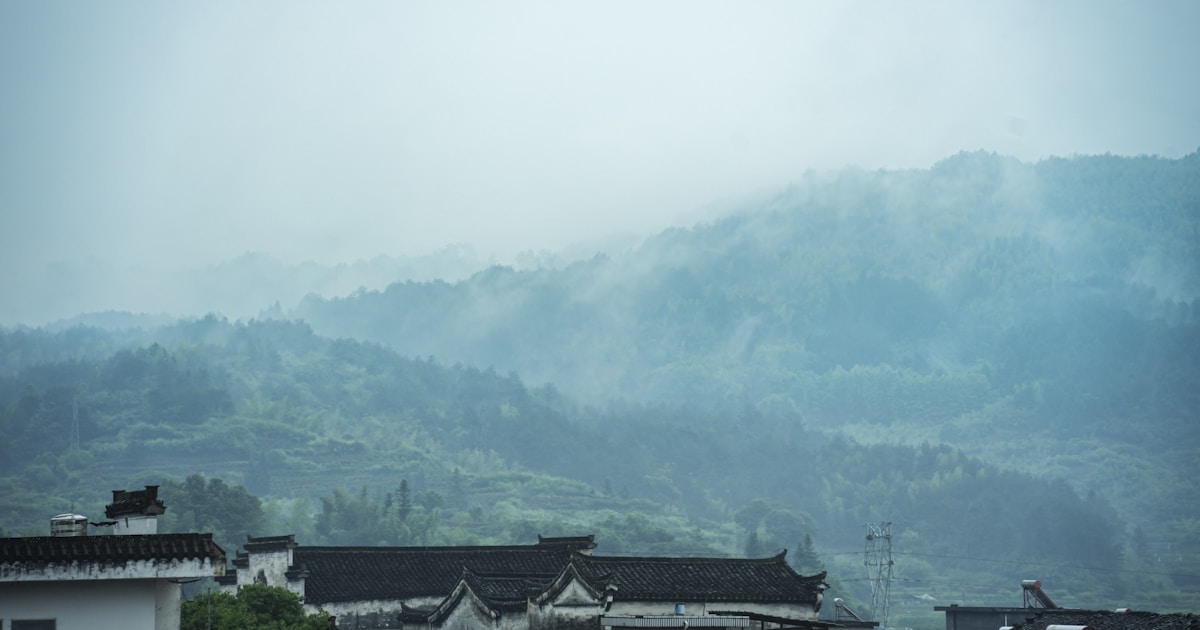


Tea in Anhui Province, China — key insights for foreign investors and businesses.
Huangshan (Yellow Mountain) vs. Hongcun: Ultimate Comparison for Cultural Investment & Tourism Development 2026
Anhui Province stands as a dual-threat in China’s cultural tourism landscape, offering two UNESCO World Heritage experiences that could not be more different in form yet are equally potent for investment. For foreign investors and tourism developers evaluating opportunities in 2026, the choice between the majestic natural heritage of Huangshan (Yellow Mountain) and the exquisite vernacular architecture of Hongcun Ancient Village is a strategic one. This comparison dissects their commercial viability, visitor demographics, operational costs, and cultural value to guide your investment decision.
Comparison Table: Investment & Visitor Profile
| Dimension | Huangshan (Yellow Mountain) | Hongcun Ancient Village |
|---|---|---|
| UNESCO Designation | World Heritage (Mixed Cultural & Natural), 1990 | World Heritage (Cultural), 2000 (as part of Xidi & Hongcun) |
| Annual Visitors (2025 est.) | 3.8 million (peak season Oct. 2-5) | 2.1 million (steady year-round) |
| Average Visitor Spend (per person) | CNY 1,200-1,800 (ticket + cable car + accommodation) | CNY 600-900 (ticket + dining + homestay) |
| Foreign Visitor Share | 12-15% (highest in Anhui) | 5-8% (growing, especially from Southeast Asia) |
| Peak Season | April-May, October (Golden Week) | March-April (rapeseed flowers), October-November (autumn) |
| Infrastructure Maturity | Very high (cable cars, hotels, scenic roads) | Moderate (narrow lanes, limited vehicle access) |
| Average Stay Duration | 1.5-2 days (overnight at summit or base) | 0.5-1 day (day trip from Tunxi or Huangshan City) |
Natural Grandeur vs. Cultural Intimacy: Two Distinct Value Propositions
Huangshan: The Iconic Natural Asset
Huangshan is arguably China’s most famous mountain, drawing 3.8 million visitors annually and generating over CNY 5 billion in direct tourism revenue. For investors, the mountain offers high-volume, high-spend opportunities. The “Four Wonders” (strange pines, grotesque rocks, sea of clouds, hot springs) create a repeat-visit cycle—35% of domestic visitors have visited more than once. The Huangshan Scenic Area Management Committee has capped daily visitors at 50,000 to preserve the site, meaning supply is constrained while demand grows. This creates pricing power for premium accommodations and experiences. The newly opened Huangshan High-Speed Rail Station (2024) has reduced travel time from Shanghai to 2.5 hours, boosting weekend visitation by 22% in Q1 2026.
Hongcun: The Living Museum of Huizhou Culture
Hongcun, with its iconic “ox-shaped” layout and Moon Pond, offers a fundamentally different investment thesis. At 2.1 million annual visitors, the village is less crowded but more culturally immersive. The 136 well-preserved Ming and Qing dynasty residences provide a unique backdrop for boutique hospitality, art residencies, and cultural workshops. The average visitor spends CNY 600-900, but high-net-worth travelers on curated cultural tours spend CNY 2,500-4,000 per day at luxury homestays like Shui Mo Ren Jia. The village’s inclusion in the Ang Lee film “Crouching Tiger, Hidden Dragon” (2000) continues to drive international interest, with 8% of visitors being foreign nationals in 2025—the highest among Anhui’s ancient villages. The key challenge is infrastructure: narrow lanes and strict heritage protection laws limit new construction, making renovation of existing properties the primary investment avenue.
Investment Dimensions: Operational Realities
1. Land & Property Acquisition Costs
In Huangshan Scenic Area, commercial land is virtually unavailable within the core zone. The last hotel development permit was issued in 2018. Investors must look to the Tangkou Town base area, where land prices have risen 40% since 2022 to approximately CNY 8,000-12,000 per square meter. For Hongcun, heritage protection laws forbid new construction within the village core. However, the Hongcun Tourism Zone outside the ancient walls offers land at CNY 3,000-5,000 per square meter—significantly cheaper but requiring integration with the village’s aesthetic. The Anhui Provincial Government’s 2025 Cultural Tourism Development Plan offers tax rebates of 15% for renovation projects that preserve traditional Huizhou architecture.
2. Visitor Demographics & Spending Patterns
Huangshan attracts a broad demographic: 40% are aged 25-40 (young professionals seeking Instagram-worthy cloud sea photos), 30% are families with children, and 15% are international tourists (highest proportion in Anhui). The average hotel revenue per available room (RevPAR) in Huangshan base area is CNY 480, with summit hotels achieving CNY 1,200 during peak season. In contrast, Hongcun draws a more niche audience: 55% are cultural tourists aged 35-60, 20% are art students (the village hosts 200+ painting academies), and 15% are international visitors. The RevPAR for boutique homestays in Hongcun averages CNY 350, but top-tier properties achieve CNY 900 with 85% occupancy during spring and autumn. The key insight: Hongcun’s visitor spends less per trip but has higher loyalty—22% of visitors return compared to Huangshan’s 12%.
3. Operational Costs & Regulatory Environment
Operating in Huangshan comes with high fixed costs: cable car maintenance, waste management (the mountain generates 4,000 tons of waste annually), and labor costs (wages are 15% higher than the provincial average due to remote location). The Huangshan Scenic Area Management Committee imposes a 5% scenic area fee on all gross revenue. For Hongcun, operational costs are lower but more fragmented: properties are individually owned, requiring negotiation with 120+ private homeowners for any village-wide initiative. The Hongcun Village Committee has introduced a unified management fee of 3% for commercial activities, but enforcement remains inconsistent. A major advantage for Hongcun is government subsidies for heritage preservation: the provincial government allocated CNY 200 million in 2025 for Huizhou architecture restoration, with 60% of funds going to Hongcun and Xidi.
Decision Guide: Which Investment Suits Your Portfolio?
Choose Huangshan if:
- You have CNY 50 million+ in capital for large-scale hospitality (200+ rooms) or infrastructure projects
- Your target market is mass tourism with high volume and moderate margins
- You can leverage high-speed rail connectivity for weekend packages from Shanghai, Nanjing, and Hangzhou
- You are interested in cable car or ropeway concessions (the next concession cycle opens in 2028)
- You want exposure to international luxury brands (the area lacks a 5-star international hotel chain)
Choose Hongcun if:
- You specialize in boutique hospitality (10-30 rooms) or cultural tourism experiences
- Your investment range is CNY 10-30 million for renovating heritage properties
- You target high-net-worth cultural tourists and art-focused travelers
- You are interested in long-term asset appreciation (heritage property values have increased 8% annually since 2020)
- You want to partner with local artisan collectives for Huizhou ink, wood carving, and tea ceremonies
The Hybrid Strategy: “Huangshan + Hongcun” Circuit
The most successful investors in Anhui’s cultural tourism sector are those who create packages connecting both sites. The Huangshan-Hongcun circuit (mountain in the morning, village in the afternoon) is now the most popular itinerary for international tour groups, accounting for 35% of all foreign visitor itineraries in 2025. The Huangshan Tourism Group has launched a joint ticket (CNY 398, saving 18%) that has boosted cross-visitation by 25%. For investors, this means opportunities in transfer services (the 45-minute drive between sites), combined accommodation packages, and cultural interpretation centers that bridge the natural and cultural narratives.
Conclusion: The 2026 Outlook
Both Huangshan and Hongcun offer compelling investment cases, but they serve different risk-return profiles. Huangshan is the blue-chip stock—stable, high-volume, but with high entry barriers and regulatory oversight. Hongcun is the growth stock—lower volume but higher margins, niche appeal, and significant upside from heritage tourism trends. The Anhui Provincial Government’s 14th Five-Year Plan for Cultural Tourism (2021-2025) targets CNY 1.2 trillion in total tourism revenue by 2026, with 15% annual growth in cultural tourism specifically. For foreign investors, the key is to align with local preservation goals—projects that demonstrate cultural sensitivity and community benefit receive priority approval and tax incentives. As of July 2026, the window for entry into both markets remains open, but the regulatory environment is tightening. Act now to secure your position in Anhui’s cultural tourism renaissance.
Source: Anhui Provincial Department of Culture and Tourism Official Statistics, Huangshan Scenic Area Management Committee Annual Report 2025, Hongcun Village Committee Investment Briefing, China Tourism Academy Yearbook 2026 | July 2026