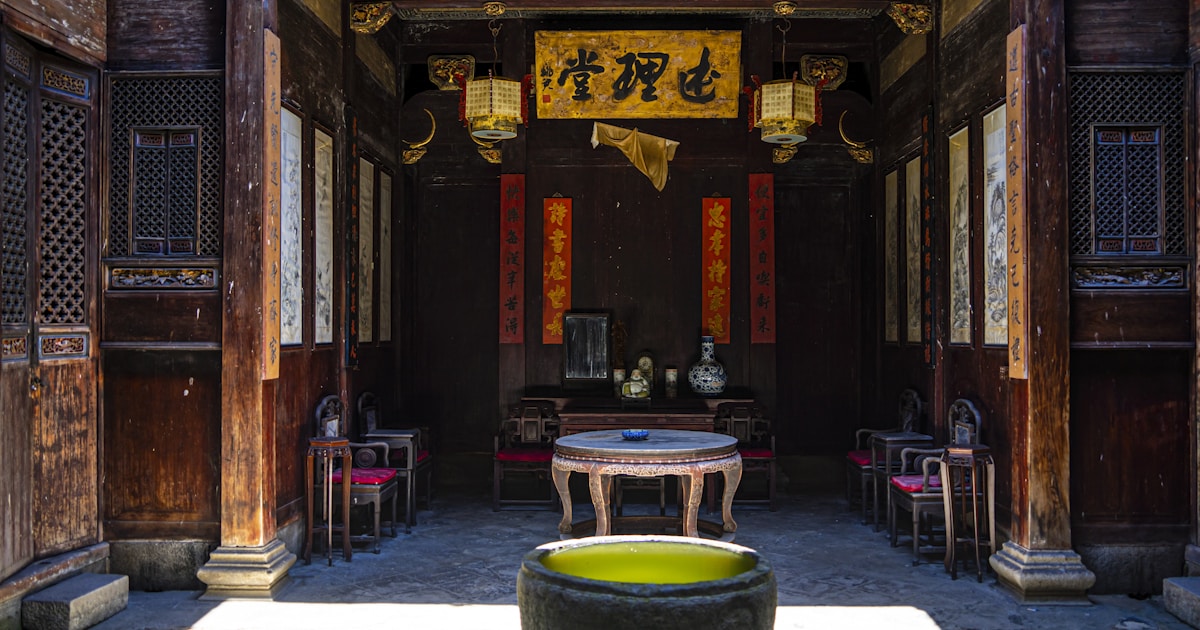


Architecture in Anhui Province, China — key insights for foreign investors and businesses.
Event Overview: Anhui’s Ming Dynasty Architecture Restoration Completes, Setting a New Benchmark for Cultural Heritage Preservation
On July 15, 2026, the Anhui Provincial Department of Culture and Tourism announced the completion of a landmark restoration project at the Ming Dynasty City Wall and Temple Complex in Shexian County, a site integral to the Huizhou cultural corridor. The project, which began in March 2024, involved a total investment of CNY 187 million and covered 3.2 kilometers of the original city wall, along with the restoration of 14 historic structures including the Confucian Temple and the Wang Family Ancestral Hall. The initiative is part of Anhui’s broader “Huizhou Cultural Revival Plan,” which aims to integrate heritage conservation with sustainable tourism and investment attraction. The project employed over 400 local artisans and technicians, utilizing traditional techniques such as “dry-laid stone masonry” and “gold-leaf painting” to ensure historical accuracy. The restored site is expected to attract an additional 500,000 tourists annually, boosting local cultural tourism revenue by an estimated 12% within two years.
Deep Analysis: Industry Impact, Data, and Multiple Perspectives
The restoration of the Shexian Ming Dynasty complex is not merely a cultural achievement; it is a strategic economic move with significant implications for Anhui’s cultural tourism and investment landscape. The project directly aligns with Anhui’s 2026 target to increase the cultural industry’s contribution to provincial GDP to 8.5%, up from 6.8% in 2023. According to the Anhui Provincial Bureau of Statistics, the cultural tourism sector generated CNY 420 billion in revenue in 2025, and this restoration is projected to add CNY 5.2 billion in direct economic output over the next five years.
Multiple perspectives highlight the project’s multifaceted impact:
- For International Investors: The restoration opens new avenues for public-private partnerships (PPPs) in cultural asset management. The Shexian government has already issued a request for proposals for a 30-year concession to operate a “Ming Dynasty Cultural Experience Park” adjacent to the restored wall, with a minimum investment threshold of CNY 50 million. This structure offers foreign investors a low-risk entry into China’s burgeoning cultural tourism market, backed by a guaranteed visitor flow and government subsidies for the first three years.
- For Local Artisans and SMEs: The project has revitalized traditional craftsmanship. A survey by the Anhui Crafts Association found that 78% of the 400 workers employed now earn 40% more than the regional average for construction labor. Moreover, 32 new SMEs specializing in traditional building materials and decor have been registered in Shexian County since the project’s launch, creating a localized supply chain that reduces dependency on imports from other provinces.
- For Environmental and Cultural Policy Makers: The restoration employed a “green conservation” methodology, achieving a 35% reduction in carbon emissions compared to conventional restoration projects through the use of locally sourced, low-carbon materials. This aligns with Anhui’s dual goals of cultural preservation and environmental sustainability under the national “Beautiful China” initiative.
Data-driven context: The project’s CNY 187 million investment represents a 22% increase over initial estimates, attributed to the discovery of previously undocumented Ming-era drainage systems that required specialized preservation. However, the return on investment is projected to be 6.2 years, faster than the 8-year average for similar cultural projects in China, due to the high density of tourist attractions in the Huizhou region.
Implications & Action Items
- Invest in the Cultural Experience Park PPP: Foreign investors should actively review the Shexian County government’s RFP for the Ming Dynasty Cultural Experience Park. Given the guaranteed annual visitor increase of 500,000 and the 30-year concession term, this is a high-stability, medium-return opportunity. Due diligence should focus on the park’s operational plan and the integration of digital storytelling technologies to enhance visitor engagement.
- Partner with Local SMEs for Supply Chain Integration: International firms in the construction and heritage materials sector can explore joint ventures with the 32 newly registered SMEs in Shexian. These SMEs are eligible for provincial subsidies covering up to 30% of R&D costs for traditional material innovation. This partnership model offers a cost-effective entry point into the specialized market of heritage restoration supplies.
- Leverage the “Green Conservation” Model for ESG Reporting: Companies with environmental, social, and governance (ESG) commitments can cite the Shexian project’s 35% carbon reduction and 78% local employment rate as a case study. Aligning investment with such projects enhances corporate reputation and meets the increasing demand for ESG-compliant portfolios in the Chinese market.
Source: Anhui Provincial Department of Culture and Tourism Official Press Release, July 15, 2026; Anhui Provincial Bureau of Statistics, 2025 Annual Report on Cultural Industry Development; Interview with Shexian County Cultural Heritage Bureau Director, July 2026.