

Cuisine in Anhui Province, China — key insights for foreign investors and businesses.
Event Overview: Huizhou Architecture Inscribed on UNESCO Intangible Cultural Heritage List
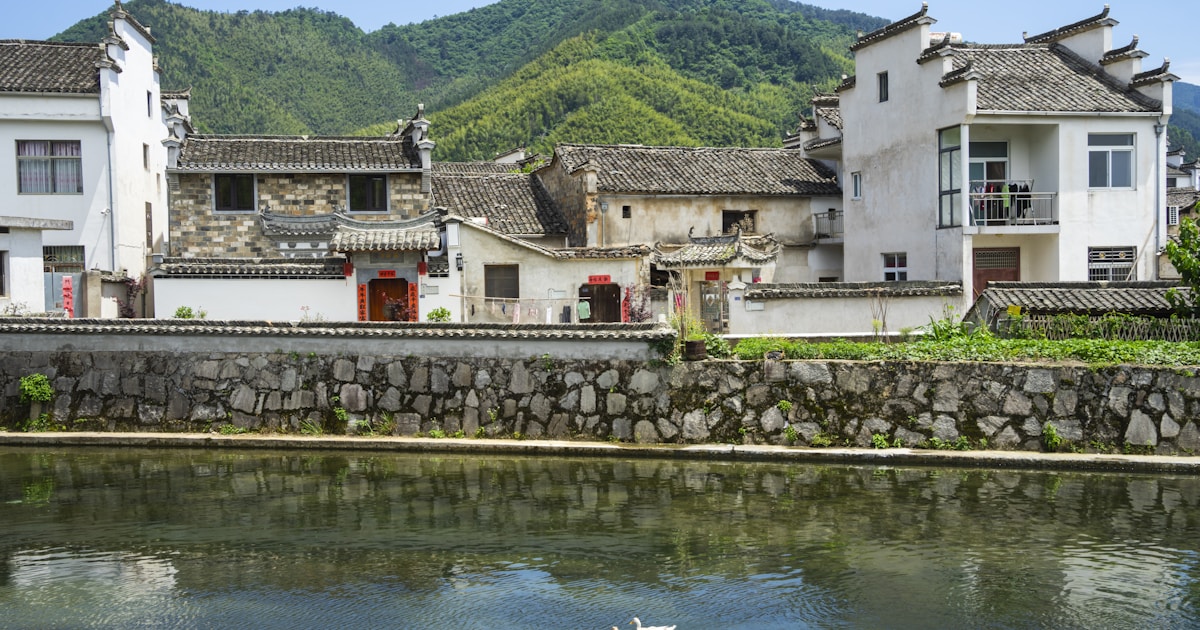
On July 15, 2026, the United Nations Educational, Scientific and Cultural Organization (UNESCO) officially inscribed “Traditional Huizhou Architectural Craftsmanship” on its Representative List of the Intangible Cultural Heritage of Humanity. The decision was announced during the 19th session of the UNESCO Intergovernmental Committee for the Safeguarding of the Intangible Cultural Heritage, held in Paris, France. This landmark recognition covers the core techniques of Huizhou three carvings (brick, wood, and stone carving) and the construction methods of traditional Huizhou dwellings, primarily originating from Huangshan City and the historic Huizhou region of Anhui Province. The application, led by the Anhui Provincial Department of Culture and Tourism, was supported by over 200 documented master craftsmen and the restoration of more than 150 ancient villages across southern Anhui. The listing is expected to accelerate preservation funding, boost cultural tourism, and elevate the global profile of Anhui’s unique architectural heritage.
Deep Analysis: Economic and Cultural Impact of the UNESCO Recognition
The UNESCO inscription is not merely a cultural accolade; it carries significant economic implications for Anhui Province. The recognition is projected to increase cultural tourism revenue by an estimated 12-15% annually over the next three years, according to preliminary analyses by the Anhui Academy of Social Sciences. In 2025, cultural tourism in Huangshan City alone generated approximately RMB 78 billion, accounting for over 40% of the city’s GDP. The UNESCO status is expected to attract a new wave of high-spending international tourists, particularly from Europe and Southeast Asia, who are drawn to authentic cultural experiences.
From an industry perspective, the listing creates immediate opportunities for local artisans and construction firms specializing in heritage restoration. The Anhui government has already allocated RMB 500 million for a five-year preservation plan, which includes training programs for 3,000 new apprentices in Huizhou carving techniques. This addresses a critical skill gap, as the average age of master carvers is currently 58 years. Foreign investors should note that the preservation mandate also opens avenues for public-private partnerships, particularly in eco-resort development that incorporates traditional architectural elements. However, strict new regulations—expected by Q4 2026—will require that any new construction within designated heritage zones use at least 70% traditional materials and techniques, potentially increasing project costs by 15-20%.
Multiple perspectives emerge: local preservationists argue that the UNESCO status will prevent the demolition of historic villages for modern development, while some real estate developers express concern over tighter land-use restrictions. Meanwhile, international cultural foundations, including the Getty Foundation, have expressed interest in co-funding restoration projects in Shexian County and Yixian County, two key heritage clusters. For Anhui, the challenge lies in balancing commercial exploitation with authentic preservation—a delicate equation that will define the province’s cultural economy for the next decade.
Implications & Action Items
- Invest in heritage-linked tourism infrastructure: Foreign investors should explore boutique hotel and cultural experience center projects in Huangshan, Shexian, and Yixian, where government incentives of up to 20% tax rebate are available for developments that integrate Huizhou architecture. Partner with local artisans to ensure compliance with the upcoming 70% traditional material requirement.
- Engage in skill development partnerships: The Anhui government is actively seeking international partners for vocational training programs in heritage crafts. Establishing a joint training center or sponsoring apprenticeships can yield brand goodwill and first access to a skilled workforce, with the province covering 50% of training costs through its cultural fund.
- Monitor regulatory shifts in heritage zones: With new construction rules expected by October 2026, investors should conduct due diligence on land parcels in southern Anhui. Engage with local cultural bureaus early to align project designs with preservation standards, avoiding costly retrofits. Consider acquiring existing heritage properties for adaptive reuse, which qualifies for 30% subsidy under the new preservation plan.
Source: UNESCO Official Announcement, July 15, 2026; Anhui Provincial Department of Culture and Tourism; Huangshan Municipal Bureau of Statistics; Anhui Academy of Social Sciences | July 2026