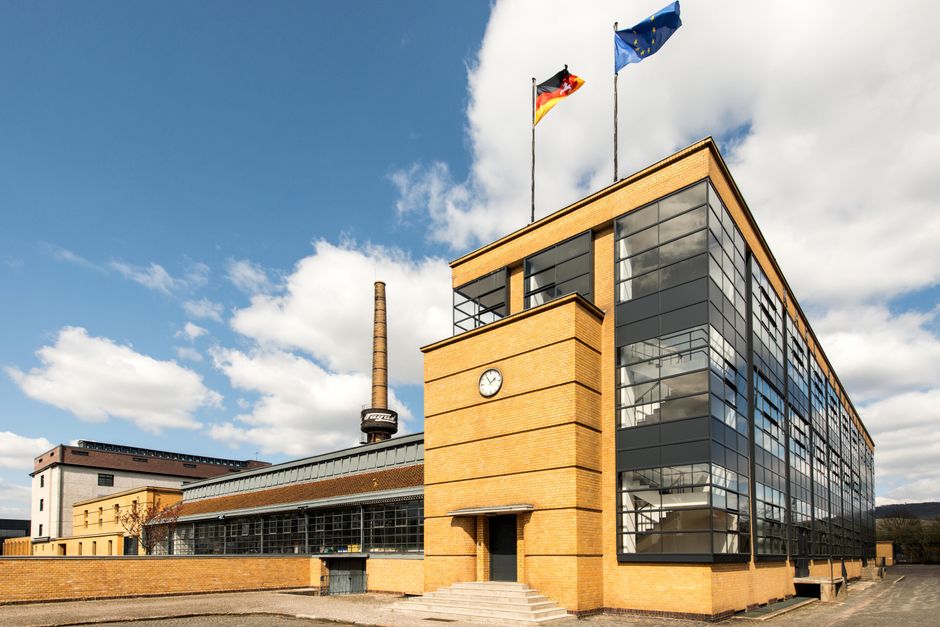


How a German Manufacturer Expanded Production in Anhui Through Land Lease: Case Study
In 2022, German automotive parts supplier Rheinland Precision Components GmbH completed the expansion of its second production facility in Hefei, Anhui Province, through a 20-year land lease (土地租赁, tǔdì zūlìn) arrangement — avoiding a capital expenditure of approximately 48 million RMB that would have been required for outright land purchase. The project increased the company’s annual production capacity by 150,000 high-precision components, adding a second production line to its existing single-line operation. This case study examines how structured land leasing enabled rapid scaling while preserving working capital.
Background: From Single Line to Capacity Constraint
Rheinland Precision first entered Anhui in 2017, establishing a wholly foreign-owned enterprise (外商独资企业, WFOE, wàishāng dúzī qǐyè) in the Hefei Economic & Technological Development Zone. The initial facility, built on a 30-mu parcel (approximately 2 hectares) purchased at 26.4 million RMB, housed a single production line capable of producing 50,000 units annually. By early 2021, orders from Chinese EV manufacturers including NIO and BYD had pushed utilization above 95%, and lead times stretched to 14 weeks — double the company’s contractual target of 7 weeks.
Management faced a critical decision: invest in land acquisition for a second facility, or explore alternative tenure models. The Hefei zone’s average industrial land price had risen from 880,000 RMB per mu in 2017 to 1.2 million RMB per mu by 2021 — a 36% increase in five years. Purchasing a 50-mu parcel for the expansion would require approximately 60 million RMB, consuming nearly two-thirds of the company’s 95 million RMB operating cash reserve.
This prompted the German parent company’s CFO to mandate a lease analysis. The Anhui provincial government, under its 2021 “Streamlined Land for Manufacturing” policy, had begun promoting long-term land leasing (up to 50 years) as an alternative to purchase, particularly for foreign-invested projects meeting specific investment intensity thresholds — minimum 4 million RMB per mu of fixed asset investment.
Land Lease Solution: Structure and Economics
Rather than purchasing land, Rheinland Precision entered a 20-year land lease agreement with the Hefei Zone Development Corporation, a state-owned platform authorized to sublease industrial land. The lease was structured under the industrial land leasing (工业用地租赁, gōngyè yòngdì zūlìn) framework authorized by the Ministry of Natural Resources (自然资源部, Zìrán Zīyuán Bù). The terms were as follows:
| Parameter | Land Purchase (Reference) | Land Lease (Chosen) |
|---|---|---|
| Parcel size | 50 mu (3.33 ha) | 50 mu (3.33 ha) |
| Upfront cost | 60 million RMB | 12 million RMB (first 5 years’ rent) |
| Annual rent | N/A | 2.4 million RMB (48,000 RMB/mu/yr) |
| Term | 50-year use rights | 20 years with renewal option |
| Cash flow impact (first 5 years) | -60 million RMB | -12 million RMB |
| Construction timeline | 18 months (incl. permit) | 11 months (lease pre-approved) |
The lease permitted the company to construct buildings and install equipment as if it owned the land, with the building title held by the lessee during the lease term. The annual rent of 2.4 million RMB represented just 4% of the purchase price annually — a 25-year payback period that compared favorably to the parent company’s internal cost of capital of 8.5%.
Implementation and Operational Results
Construction began in April 2022 and was completed in March 2023 — 11 months versus the 18 months typical for purchased land, because the lease structure allowed the zone authority to pre-approve environmental and planning permits before the lease was signed, under the “Lease-Ready Parcel” pilot program. The factory covers 12,000 square meters with a floor area ratio (容积率, róngjīlǜ) of 0.36, within the zone’s 0.3–0.8 requirement for precision manufacturing.
By June 2023, the second line was producing at full capacity. Key operational outcomes through Q2 2024:
- Annual production capacity expanded from 50,000 units to 200,000 units — a 300% increase
- Lead times reduced from 14 weeks to 6 weeks, exceeding the 7-week target by 14%
- Revenue from the Hefei site grew 180% year-over-year, to 320 million RMB
- Employment increased from 120 to 350 positions, with 85% of new hires sourced from Anhui vocational schools
The company also benefited from a municipal tax rebate: under the “New Manufacturing Space” policy, enterprises leasing industrial land for 15+ years receive a 30% reduction on urban land use tax for the first five years — saving Rheinland approximately 360,000 RMB annually.
Decision Framework: Lease vs. Purchase
Based on this case and broader Anhui industrial land data, foreign manufacturers should evaluate land tenure using the following criteria:
If your company has a local cash reserve below 80 million RMB and expects to expand again within 5–7 years, choose land lease. Leasing preserves capital for equipment and working capital, and avoids the administrative cost of reselling land use rights if the facility is eventually relocated. If your company plans to operate for 30+ years on the same site and wants fixed land costs to avoid future rent escalation, choose land purchase. Purchase also gives you a depreciable asset that can be used as collateral for RMB-denominated loans.
If your investment intensity exceeds 5 million RMB per mu and you need construction to begin within 12 months, choose lease with a pre-approved parcel. This was the decisive factor for Rheinland: 11-month delivery versus 18 months. If you have specific building requirements (high ceilings, heavy foundations) that may not fit a standard lease template, choose purchase or negotiate a build-to-suit lease with the zone developer.
3 Pitfalls in Industrial Land Leasing
NEXT STEPS
- Review your expansion timeline: If you need capacity online within 12 months, request a pre-approved lease parcel list from the Anhui Land Leasing Guide to identify sites with permits already in process.
- Compare lease costs with purchase alternatives: Use the Industrial Land Cost Calculator to model your specific investment intensity and determine which tenure type generates higher 10-year after-tax return.
- Engage a qualified Chinese legal advisor: Land lease contracts in China are regulated by both national and provincial rules — have your draft reviewed by a firm experienced with foreign-invested industrial land transactions to ensure renewal rights and demolition obligations are clearly defined.
— Anhui Gateway —
Remote China market entry support, built around execution.