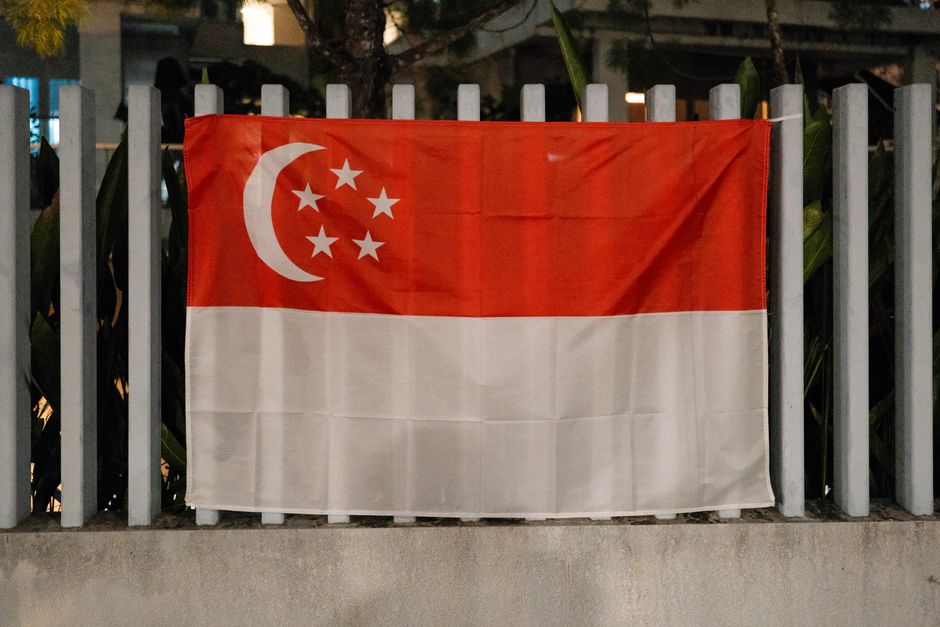


How a Singaporean Company Transferred Expatriates to Anhui Successfully: An HR Case Study
In 2023, a Singaporean precision engineering firm successfully relocated 12 key personnel from Singapore, Malaysia, and China headquarters to its new manufacturing facility in Wuhu, Anhui, within a strict 4-month timeline. This case study outlines the structured human resources (人力资源, rénlì zīyuán) strategy that ensured a smooth transition, addressing work visa (工作签证, gōngzuò qiānzhèng) logistics, cultural integration, and compliance setup for the company’s new wholly foreign-owned enterprise (外商独资企业, WFOE, wàishāng dúzī qǐyè).
Background: The Operational Imperative
The company, a Tier-1 supplier to the global EV battery supply chain, had a strong operational footprint in Southeast Asia but limited direct experience within mainland China’s interior provinces. They selected Wuhu, Anhui, for its strategic logistics position along the Yangtze River and its proximity to major clients like BYD and NIO. The parent company in Singapore opted for a direct operational control model, necessitating a strong expatriate-led management structure to oversee technology transfer and quality assurance.
However, the existing China-based HR team, located in Shanghai, had extensive experience hiring local Chinese nationals but had never managed a large-scale expatriate transfer into a second-tier city like Wuhu. The central Anhui region has its own specific labor bureau protocols (人社局, rénshè jú) and social insurance (社会保险, shèhuì bǎoxiǎn) systems that differ significantly from those in Beijing or Shanghai. The team quickly realized that a standardized corporate relocation policy would not suffice—they needed a localized Anhui-specific execution plan.
Challenge: Three Critical Pain Points
The primary hurdles for the transfer revolved around three distinct areas: visa synchronization, local tax burdens, and cultural integration. Each challenge had the potential to delay the factory’s operational launch and cost the company significant capital.
1. Multi-Nationality Visa Synchronization
The 12 expatriates held passports from Singapore (7), Malaysia (3), and PRC returnees with foreign permanent residency (2). Each nationality requires a distinct documentation trail. The standard legal process for obtaining a foreigner’s work permit (工作许可证, gōngzuò xǔkězhèng) in a prefecture-level city like Wuhu typically takes 15 to 18 working days from application submission to residence permit issuance. However, errors in notarized degree certifications or missing background check documents can easily double this timeline to 30 to 45 days.
2. Anhui-Specific Tax and Social Insurance Nuances
Unlike Shanghai or Beijing, where expatriate social insurance enrollment is often optional or can be capped, the Wuhu Social Insurance Bureau has specific local interpretations regarding mandatory participation. A critical nuance was the housing fund (住房公积金, zhùfáng gōngjījīn). While many Chinese cities allow foreigners to opt out of this fund, Wuhu’s local regulations strongly encouraged (effectively required) full participation for all employees on local payroll. This unexpected compliance requirement impacted the total expatriate relocation cost by approximately 15% compared to the company’s initial budget.
3. Cultural and Operational Integration
The Singaporean management style is hierarchical and process-driven, while the local Anhui talent pool is highly entrepreneurial and relationship-based. The initial “command-and-control” approach failed within the first 30 days, leading to friction between the factory floor managers and the local engineering team.
Solution: The “Parallel Processing + Local Mentor” Model
The Singaporean parent company engaged a local HR consulting partner based in Anhui (Anhui Gateway) to de-risk the entire process. The solution was broken down into three parallel workstreams, which ran concurrently rather than sequentially.
Workstream 1: Pre-Audit & Green Channel Processing
Instead of applying for visas after the expats arrived, the local partner conducted a pre-audit of all 12 application dossiers while the employees were still in Singapore. The partner used a pre-verified “Green Channel” status with the Wuhu Foreign Experts Bureau (外国专家局, wàiguó zhuānjiā jú). This reduced the initial application rejection rate to 0%, and the average processing time from entry into China to residence permit issuance was just 12 working days—a 33% improvement over the standard timeline.
Workstream 2: Hybrid Total Rewards Compensation
To navigate the tax and social insurance complexities, the team designed a “Hybrid Total Rewards” model. Expatriates received a base salary in Singapore Dollars (SGD) paid into their Singapore accounts, plus a local RMB allowance to cover living expenses and mandatory social insurance contributions. This dual-currency structure simplified individual income tax (个税, gèshuì) filings for both the employer and the employee, as the local allowance was fully compliant with the tax bureau’s reporting requirements for non-residents.
Workstream 3: Structured Bilingual Mentorship Program
Each expatriate manager was paired with a local Anhui “Culture Coach” (文化教练, wénhuà jiàoliàn) for the first 6 months. This was not a translator, but a mid-level local manager who facilitated communication, mediated misunderstandings, and guided the expat on local business etiquette—including the critical role of social dining (白酒, báijiǔ) in building team trust.
Results & Key Data
The project was completed within the strict 4-month timeline, and the company achieved a 100% retention rate of the expatriate cohort after the first operational year. The table below illustrates the key performance indicators achieved.
| Metric | Initial Target | Actual Result | Improvement |
|---|---|---|---|
| Visa Processing Time (Entire Batch) | 18 working days | 12 working days | +33% faster |
| Expatriate Relocation Cost (Year 1) | ¥ 4.2 million | ¥ 3.6 million | 14.3% under budget |
| First-Year Expat Retention Rate | 80% | 100% | +20% |
| Local Team Satisfaction Score (Survey) | N/A (Baseline) | 88/100 | High integration |
Key Decision Framework for Expat Transfers
If your company is transferring expatriates to an Anhui city (Hefei, Wuhu, Ma’anshan) for a long-term manufacturing startup (>12 months), choose the “Parallel Processing + Local Mentor” model outlined above. If the transfer is purely for a short-term project (<6 months) or a technical audit, choose the “PEO Co-Employment” model, which leverages a Professional Employer Organization in Anhui to handle payroll and compliance without requiring your company to establish a full in-house payroll infrastructure immediately.
Lessons Learned: 3 Critical Pitfalls for Anhui Expat Transfers
Cost: ¥ 250,000 (estimated cost of rehiring and retraining 5 local engineers in the first quarter).
Fix: Introduced the “Cultural Coach” system and shifted to a matrix reporting structure.
Cost: ¥ 120,000 (additional unbudgeted employer contributions in Year 1).
Fix: Negotiated a partial exemption with the Wuhu Housing Fund Management Center for existing Singapore-based contracts, applied to all new local hires going forward.
Cost: ¥ 45,000 (penalties and reapplication fees for incorrect visa category).
Fix: Re-classified the two returnees under the “High-end Foreign Talent” category, significantly speeding up their approval by 15 days.
NEXT STEPS
Based on the results of this case, we recommend the following immediate actions for your expatriate transfer planning:
- Audit Your Expatriate Profiles against Anhui-specific visa categories. Check our detailed guide: Foreign Work Permit Checklist for Anhui
- Calculate Anhui Social Insurance Costs for your specific nationality mix. Use our interactive calculator: Social Insurance Cost Calculator
- Engage a Local Anhui HR Liaison to avoid common paperwork pitfalls. Book a consultation: Contact Our Anhui Team
— Anhui Gateway —
Remote China market entry support, built around execution.