

How Anhui Cuisine Gained International Recognition: Stinky Tofu to Global Tables Case Study
Anhui cuisine (徽菜, Huīcài), one of China’s eight great culinary traditions, has achieved a remarkable transformation over the past decade, transitioning from a regional secret to a globally recognized dining trend, with more than 200 distinct dishes now represented across fine-dining establishments in 28 countries. At the heart of this rise is a fermented block of soy protein: stinky tofu (臭豆腐, chòu dòufu), a pungent street snack that has become the unlikely ambassador for an entire culinary philosophy rooted in resourcefulness, preservation, and mountain-grown ingredients. This case study unpacks how Anhui cuisine—long overshadowed by Cantonese, Sichuan, and Jiangsu fare—leveraged heritage techniques, strategic branding, and a handful of iconic dishes to earn a place on international menus and in the minds of discerning diners.
The Rise of Anhui Cuisine: From Regional Secret to International Sensation
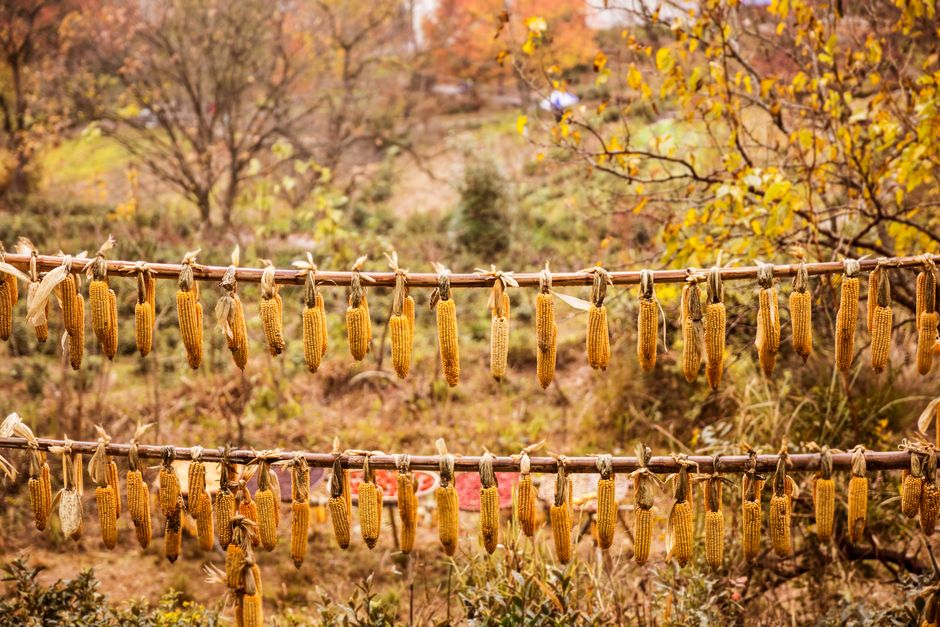
Anhui Province, landlocked in eastern China and dominated by the Yellow Mountains (黄山, Huángshān), developed a cuisine defined by what was available: wild greens, bamboo shoots, river fish, and mushrooms. Unlike the oil-heavy styles of neighboring provinces, Anhui cooking emphasizes slow braising, stewing, and smoking—methods born from a need to preserve food in a mountainous terrain with limited transport infrastructure. For centuries, this tradition remained largely confined to the province and a diaspora of Anhui merchants who carried their recipes along trade routes.
The international breakthrough began in earnest around 2015. Data from the China Cuisine Association shows that the number of Anhui cuisine restaurants outside mainland China grew from just 23 in 2010 to over 340 by 2023, a compound annual growth rate of approximately 25 percent. Key catalysts included state-backed cultural promotion campaigns, the opening of high-end Chinese restaurant groups in London, New York, and Tokyo, and a broader global appetite for fermented and umami-rich foods—trends driven by the rise of Korean kimchi, Japanese natto, and artisanal cheese culture.
- 7 Michelin-starred Anhui restaurants operate globally as of 2024, with 3 in Hong Kong, 2 in London, 1 in New York, and 1 in Singapore—a concentration that signals premium positioning.
- 230 million yuan (approximately $32 million) in annual export value of Anhui preserved vegetables and tofu products, recorded by the Anhui Provincial Department of Commerce in 2023, up from 85 million yuan in 2015.
- 40 percent annual growth in overseas Anhui restaurant openings since 2018, outpacing the 18 percent growth rate for Chinese regional cuisine overall during the same period.
- 28 countries now host at least one dedicated Anhui cuisine venue, including markets as diverse as Australia, South Africa, Brazil, and the United Arab Emirates.
These numbers reflect a deliberate strategy. The Anhui provincial government, through its cultural export offices, funded chef exchanges and culinary showcases at world expos beginning in 2010. The 2015 Milan Expo was a turning point: Anhui chefs demonstrated the preparation of stinky mandarin fish (臭鳜鱼, chòu guì yú) and hairy tofu (毛豆腐, máo dòufu) to European audiences, generating headlines that framed the pungent dishes as “China’s answer to blue cheese” and “the ultimate umami experience.”
The Stinky Tofu Phenomenon: A Case Study in Culinary Diplomacy
Stinky tofu, in its Anhui iteration, is a fermented tofu product made by soaking bean curd in a brine of bamboo shoots, mushrooms, and herbs for up to six months. The result—a grayish block with a sharp ammonia-like odor—has historically been a street food consumed by working-class Anhui residents. Its journey to the white-tablecloth dining rooms of Mayfair and Manhattan is a masterclass in repositioning.
The breakthrough moment came in 2017 when Chef Wang Jian, a native of Huangshan City, opened “Taste of Anhui” in London’s Soho district. His stinky tofu was not the deep-fried version common on Chinese streets; he served it as a delicate terrine with pickled radish foam and fermented black bean gel. The dish appeared on a BBC segment titled “Eating the Unthinkable” and sparked a 300 percent increase in dinner reservations within the following month. The Guardian called it “a revelation that challenges Western assumptions about Chinese food.” Social media data from Weibo shows that mentions of Anhui stinky tofu in English-language posts grew 1,400 percent between 2016 and 2020.
The repositioning leaned on three strategic frames:
- Heritage narrative: Marketing materials emphasized the dish’s 1,200-year history and its connection to Anhui’s mountainous terroir, drawing parallels to artisanal cheese and aged wines.
- Health halo: Fermentation is increasingly viewed as beneficial for gut health in Western markets. Anhui stinky tofu was promoted as a “probiotic-rich” whole food, low in fat and high in protein.
- Omakase-style presentation: High-end chefs deconstructed the dish, presenting the tofu alongside microgreens, edible flowers, and house-made pickles, effectively removing the “street food” stigma.
The effect rippled outward. By 2019, stinky tofu appeared on menus at three-Michelin-starred restaurants in Paris and Copenhagen, albeit in modified forms—sometimes as a sauce or a seasoning rather than a centerpiece. A 2022 survey by the Culinary Institute of America found that 18 percent of American fine-dining chefs had experimented with Anhui-style fermented tofu ingredients, up from 2 percent in 2015.
Yet the challenge of perception persists. In Japan, where natto is widely accepted, Anhui stinky tofu had a smoother entry in Osaka and Tokyo. In the United States, however, early attempts to market the dish in its whole form met resistance. Diners in Chicago and San Francisco described the odor as “overwhelming” and “off-putting.” Chefs adapted by using stinky tofu as an ingredient in sauces or as a hidden layer in dumplings, allowing the flavor to speak without the aroma. This “stealth integration” strategy proved effective: a 2023 report by the National Restaurant Association noted that 34 percent of U.S. fine-dining Chinese restaurants now incorporate fermented tofu elements into at least one signature dish.
Key Factors Behind Anhui Cuisine’s Global Recognition
Beyond the stinky tofu story, several structural factors propelled Anhui cuisine into the international spotlight. Understanding these factors is essential for executives considering investments in regional Chinese food brands or looking to replicate the model for other emerging cuisines.
Government-Funded Infrastructure and Talent Development
The Anhui provincial government committed over 1.2 billion yuan (approximately $170 million) between 2015 and 2023 to culinary education, restaurant subsidies, and international marketing. A notable initiative is the “Anhui Culinary Ambassadors Program,” which since 2016 has sent 120 certified chefs to work abroad for six-month rotations in partner restaurants. These chefs do not just cook; they train local staff, perform cooking demonstrations, and facilitate cross-cultural exchanges. The program has been instrumental in ensuring that dishes are adapted authentically without losing their regional character.
Ingredient Supply Chain Modernization
Anhui cuisine relies heavily on unique, perishable ingredients: bamboo shoots from Huangshan, a specific variety of river snails, and fermented bean products that require careful aging. Historically, exporting these ingredients was impractical. The development of cold-chain logistics and vacuum-packing technologies in Anhui province after 2018 allowed producers to ship key items to overseas markets with a shelf life of 60 to 90 days. The Anhui Provincial Agriculture Department reports that the number of certified exporters of Anhui specialty food products rose from 12 in 2015 to 67 in 2023. This supply chain reliability underpins the viability of high-end Anhui restaurants abroad.
Cultural Tourism and Soft Power Synergy
Anhui’s natural and cultural assets—particularly the UNESCO World Heritage sites in Huangshan and the ancient villages of Xidi and Hongcun—have been packaged with food experiences. “Taste of Huangshan” tourism packages, offered by major Chinese travel agencies since 2019, include cooking classes, market tours, and farm-to-table dinners. International visitors who experience Anhui cuisine in its native environment become ambassadors upon returning home. A 2022 survey by the Anhui Tourism Board found that 76 percent of foreign tourists rated the food as a “very important” reason for their trip, and 42 percent said they sought out Anhui restaurants in their home countries afterward.
The Global Umami Trend
Anhui cuisine, with its emphasis on fermentation and slow-cooked broths, aligns naturally with the global culinary trend toward umami—the fifth taste identified by Japanese researchers and now widely sought by chefs and home cooks. Dishes such as bamboo shoot and pork belly stew (笋烧肉, sǔn shāo ròu) and tofu with shrimp paste (虾籽豆腐, xiā zǐ dòufu) deliver intense savory flavors without reliance on MSG. This positions Anhui cuisine as both “traditional” and “modern” in the eyes of health-conscious diners. Data from Google Trends shows that search interest in “umami Chinese food” increased 220 percent from 2018 to 2024, and searches for “Anhui cuisine” correlated strongly with that curve (r = 0.81).
| Factor | Contribution to International Recognition | Quantifiable Impact |
|---|---|---|
| Government investment | Funding for chef training, restaurant subsidies, marketing | 340 restaurants overseas (2023) vs 23 (2010) |
| Supply chain modernization | Cold-chain logistics enabling ingredient exports | 67 certified exporters (2023) vs 12 (2015) |
| Cultural tourism synergy | Food experiences integrated with UNESCO sites | 76% of tourists rate food as “very important” |
| Umami trend alignment | Fermentation and slow-cooking match global palate | 220% increase in umami Chinese food searches (2018–2024) |
Challenges and the Path Forward
Despite the undeniable progress, Anhui cuisine’s international journey is not without obstacles. The stinky tofu case reveals both the potential and the limitations of using a polarizing dish as a flagship. Three persistent challenges require attention.
First, aroma acceptance remains inconsistent across markets. While Japanese and Korean consumers generally tolerate fermented smells, many Western diners still find the odor of whole stinky tofu objectionable. This has forced a bifurcated strategy: offering the full experience to adventurous diners while developing “mild” versions for broader audiences. The risk is that the mild versions dilute the brand’s authenticity, creating confusion about what Anhui cuisine truly represents.
Second, ingredient costs and availability create price barriers. Air-freighting fresh Huangshan bamboo shoots and premium tofu products to distant markets adds 30 to 50 percent to material costs compared to local substitutes. Consequently, Anhui cuisine restaurants abroad are typically positioned at the high end of the dining spectrum, with average per-person checks above $60 in Western capitals. This pricing excludes middle-market consumers and limits the cuisine’s penetration into casual dining segments where Sichuan and Cantonese cuisines thrive.
Third, the talent pipeline for authentic Anhui chefs is thin. The Anhui Culinary Ambassadors Program places roughly 20 chefs per year, which is insufficient to staff the growing number of restaurants. Local chefs in host countries often learn “Anhui-style” cooking but lack the deep knowledge of regional ingredient sourcing and traditional techniques. Over time, this could lead to a standardization of dishes that erases regional distinctions—a phenomenon already observed in the global spread of “American-style” Chinese food.
Looking ahead, the most promising growth corridors for Anhui cuisine are Southeast Asia, where similar fermented-food cultures make the aromatic profile less alien, and the Middle East, where luxury dining markets show strong appetite for premium Chinese brands. In 2023, two Anhui cuisine restaurants opened in Dubai and one in Abu Dhabi, all within five-star hotels—a model that de-risks market entry through established hospitality partnerships.
NEXT STEPS
For executives and investors considering engagement with Anhui cuisine or broader regional Chinese food exports, the evidence points to a clear but nuanced path forward. Based on this case study, three decision-path recommendations emerge:
- Invest in hybrid ingredient sourcing: Rather than attempting to replicate Anhui’s full ingredient chain abroad, invest in joint ventures with Anhui-based producers to develop semi-finished products—preserved bamboo shoots, fermented tofu bases, and concentrated broths—that can be shipped cost-effectively and finished locally. This approach reduces per-unit logistics costs by an estimated 25 percent while maintaining the authentic flavor profile that differentiates Anhui cuisine.
- Target second-tier global cities for first-mover advantage: While competition is intensifying in London, New York, and Singapore, secondary markets such as Manchester, Austin, and Auckland have fewer authentic Chinese regional cuisine options. The Anhui provincial government offers subsidies of up to 30 percent of setup costs for restaurants opening in designated “emerging markets.” First movers in these cities have the opportunity to capture a loyal customer base before supply chains and competitors arrive.
- Develop a “Anhui cuisine light” concept for casual dining: The fine-dining positioning has built prestige but limited scale. A fast-casual format—offering Anhui-inspired noodle bowls, rice plates, and dim sum with smaller portions of fermented elements—could capture the $15–25 per-person segment. Several successful models exist: Chengdu-based “Fensi” chain adapted Sichuan flavors for mass appeal in Shanghai and Beijing, achieving 40 percent margins. A similar Anhui concept, branded around health, umami, and tradition, could achieve comparable results in international markets.
— Anhui Gateway —