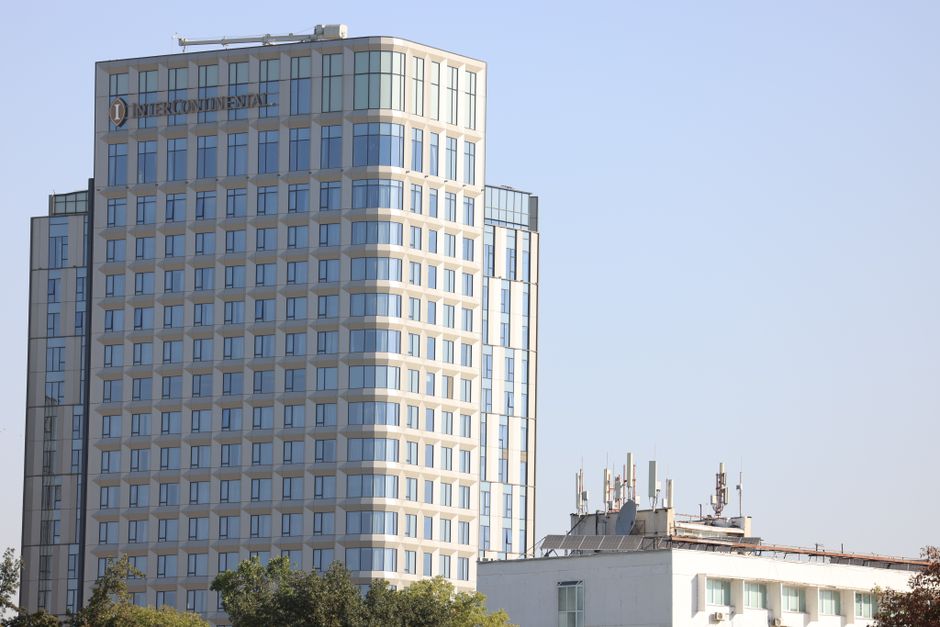


How InterContinental Developed a Resort near Jiuhua Mountain: Chizhou Tourism Case Study
In 2019, InterContinental Hotels Group (IHG) opened a 256-room luxury resort near Jiuhua Mountain (九华山, Jiǔhuá Shān) in Chizhou, Anhui, backed by a total investment of approximately 480 million RMB (∼$67 million). This case study examines the development process, operational strategy, and post-opening performance of the InterContinental Jiuhua Mountain Resort, drawing insights for foreign investors planning destination hotel projects in China’s secondary cities.
The Strategic Context: Why InterContinental Chose Jiuhua Mountain
Jiuhua Mountain is one of China’s four sacred Buddhist mountains, receiving over 10 million domestic tourists annually before the pandemic. Chizhou (池州市, Chízhōu Shì) had long lacked an upper-upscale international hotel brand that could serve both pilgrimage visitors and the emerging leisure segment from the Yangtze River Delta. IHG identified this gap in 2015 and entered into a joint venture agreement with a local state-owned tourism conglomerate, Chizhou Cultural Tourism Group, to develop the property.
The site selection was deliberate: the resort sits on a 12-hectare plot at the foot of the mountain, 8 kilometers from the main Jiuhua Mountain scenic area entrance and 45 kilometers from Chizhou High-Speed Railway Station. The location balances proximity to the religious attraction with the tranquility expected of a luxury retreat. According to IHG’s internal projections, the resort would capture 15–20% of the premium room demand in the region—a segment that traditionally overflowed to lower-tier hotels in nearby Tongling and Anqing.
Development Timeline and Investment Breakdown
The project advanced through four distinct phases over 3.5 years, reflecting the typical pace for a foreign-branded resort in a non-tier-1 Chinese city. The table below summarizes the key milestones and capital deployment:
| Phase | Period | Investment (Million RMB) | Key Actions |
|---|---|---|---|
| Feasibility & JV Setup | Q2 2015 – Q4 2015 | 12 | Market study, site selection, joint venture (合资企业, hézī qǐyè) registration, land use rights acquisition |
| Design & Approvals | Q1 2016 – Q3 2016 | 38 | Architectural concept by a Shanghai-based firm, environmental impact assessment, cultural heritage review (Jiuhua Mountain is a National Scenic Area) |
| Construction | Q4 2016 – Q2 2019 | 390 | Main building, 256 guest rooms and suites, two F&B outlets, spa, infinity pool, parking for 180 vehicles |
| Pre-Opening & Launch | Q3 2019 | 40 | Staff training (120 local hires), soft opening, IHG brand audit, formal opening ceremony |
| Total | 2015–2019 | 480 | — |
The 480 million RMB total is broken down into land cost (65 million, 13.5%), construction and hardscape (305 million, 63.5%), FF&E (furniture, fixtures & equipment at 72 million, 15%), and pre-opening expenses (38 million, 8%). By contrast, a comparable InterContinental resort in a tier-1 city such as Shanghai or Shenzhen would typically require 700–900 million RMB for a similar room count, due to higher land premiums and labor costs.
Operational Model and Local Partnerships
IHG operates the resort under a management contract with equity participation: the group holds a 35% stake in the joint venture (合资企业, hézī qǐyè), while Chizhou Cultural Tourism Group owns 65%. This structure allowed IHG to limit capital exposure while retaining full control over brand standards, pricing, and global distribution. The local partner contributed the land-use rights and handled most government relations, including permits for water extraction, sewage discharge, and road access improvements.
A critical operational decision was the F&B strategy. Rather than importing a Western fine-dining concept, the resort’s signature restaurant, “Lingyin Pavilion,” focuses on Anhui cuisine (徽菜, Huīcài) with Buddhist vegetarian options (素斋, sùzhāi) catering to pilgrimage groups. This localization drove 40% of total F&B revenue in the first year, compared to an industry average of 25% for international luxury hotels in China. The resort also introduced a “Cultural Concierge” program that offers guests guided meditation sessions and calligraphy workshops led by monks from the nearby Huacheng Temple.
Post-Opening Performance and Tourism Impact
In its first full year of operation (2020—partially affected by COVID-19), the resort achieved an average occupancy rate of 58% and an average daily rate (ADR) of 1,240 RMB. By 2023, occupancy had climbed to 72% with ADR reaching 1,580 RMB, generating an estimated annual revenue of 82 million RMB. The property’s gross operating profit margin settled at 34%, slightly below IHG’s global target of 38%, largely due to higher-than-expected utilities and staffing costs in Chizhou.
The resort’s opening catalyzed broader tourism infrastructure development in the area. Between 2019 and 2023, four additional branded hotels (including a Holiday Inn Express and a Courtyard by Marriott) entered Chizhou, and the city’s annual tourist arrivals grew from 9.8 million to 13.2 million—a 34.7% increase. The local government attributed 8% of this growth directly to the InterContinental’s role in raising the destination profile.
Pitfalls and Lessons Learned
Cost: Approximately 240,000 RMB in lost potential room revenue during the 2023 Golden Week alone due to slow check-in times and negative online reviews.
Fix: IHG implemented a cross-property transfer program, sending 8 experienced staff from its Shanghai and Hangzhou hotels during peak periods, and partnered with Chizhou University for a hospitality internship pipeline.
Cost: Estimated 600,000 RMB in group booking cancellations from Buddhist tour operators over the following two quarters.
Fix: The resort introduced mandatory “Cultural Respect” training for all staff, added signage explaining temple practices, and designated west-facing rooms as “temple-view” suites for guests who appreciate the spiritual atmosphere.
Cost: Under-utilization of the premium suite inventory (only 40% sold) represented an annual revenue gap of approximately 1.8 million RMB.
Fix: The management activated specialist family travel packages for Southeast Asian markets and secured a listing with Buddhist pilgrimage agencies in Taiwan and Hong Kong, gradually lifting international share to 7.2% by mid-2024.
Decision Framework for Similar Projects
Foreign hospitality groups evaluating a resort development near a Chinese secondary-city heritage site should weigh the following factors based on the Jiuhua Mountain case:
- If you prioritize brand control and have a 3–5 year investment horizon, choose a joint venture with a local SOE (国有企业, guóyǒu qǐyè) that provides land and government access while you manage operations.
- If you want to minimize capital exposure but need faster ROI, choose a pure management contract without equity, but accept that you will have less influence over approvals and tariff negotiations.
- If the local market lacks a skilled hospitality workforce, choose a site within 1 hour of a prefecture-level city with a vocational college, and budget at least 1.5 million RMB for pre-opening training and talent acquisition.
- If the destination has strong religious or cultural significance, choose to invest in a dedicated cultural liaison role and build relationships with local temple administrations at least 12 months before opening.
NEXT STEPS
- Review our Guide to Tourism Foreign Investment Approvals in Chizhou for a step-by-step breakdown of the regulatory process, including land-use permits and environmental clearances.
- Explore Anhui Secondary City Hotel Feasibility Checklist to analyze demand drivers and competition intensity in cities like Chizhou, Xuancheng, and Huangshan.
- Contact our team for a China Tourism JV Advisory Consultation to structure your partnership with a local SOE or private developer.
— Anhui Gateway —
Remote China market entry support, built around execution.