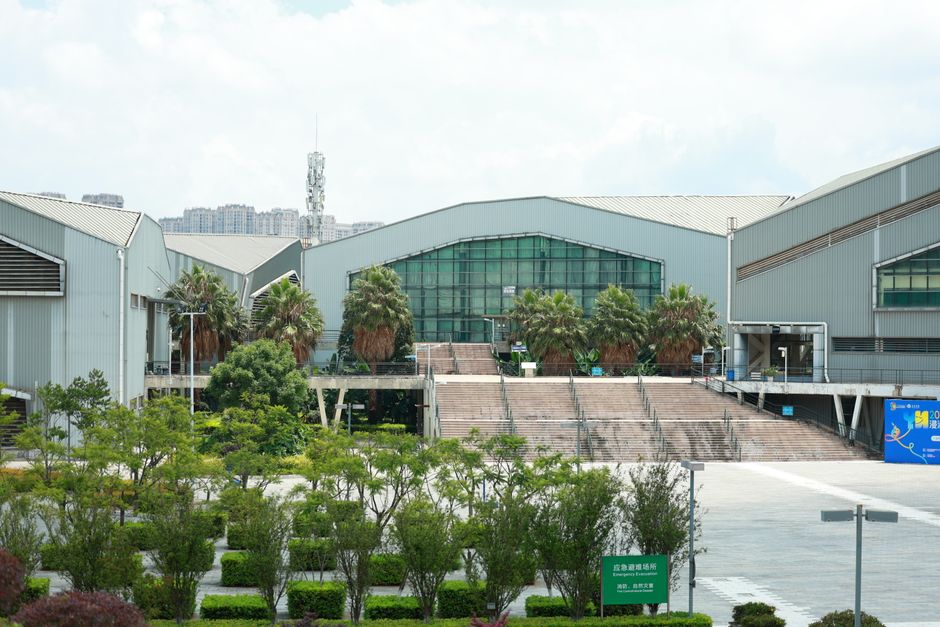


Huaibei Industrial Parks: A Strategic Review for Manufacturing Investors
A review of Huaibei’s industrial park ecosystem reveals a network of 20+ specialized zones that processed over ¥45 billion in industrial output in 2023, growing at 12.3% year-on-year. For foreign manufacturing executives evaluating second-tier city options in China’s interior, Huaibei’s parks offer a distinct alternative to saturated coastal zones. This review analyzes strategic positioning, infrastructure quality, and operational realities for companies considering relocation or expansion into Anhui’s northern manufacturing corridor.
Huaibei (淮北, Huáiběi) sits at the intersection of the 长三角 (Yangtze River Delta, cháng sān jiǎo) economic zone and the central China manufacturing belt. The city’s parks are transitioning from coal-dependent heavy industry to advanced manufacturing and new energy production. With a 2-hour commute via high-speed rail to Shanghai and direct expressway access to the Zhengzhou-Xi’an corridor, these parks serve companies seeking logistics efficiency without coastal rent premiums.
Strategic Location and Logistics Access
Huaibei’s industrial parks are concentrated along the Huan River and the Beijing-Shanghai railway line, creating a logistics corridor that reaches 350 million consumers within a 500km radius. The Huaibei Economic Development Zone (淮北经济技术开发区, Huáiběi Jīngjì Jìshù Kāifā Qū) alone hosts 180+ manufacturing enterprises, including 12 foreign-invested companies primarily from Japan and South Korea. Land lease costs in Huaibei parks average ¥30–45 per square meter annually, compared to ¥60–90 in Hefei and ¥100+ in Suzhou, Jiangsu.
Compared to coastal industrial parks, Huaibei offers 40–60% lower logistics costs to central and western China markets. A 40-foot container from Huaibei to Xi’an costs approximately ¥3,800 versus ¥6,200 from Shanghai, a difference of 38%. For companies targeting inland consumption growth—where retail sales in Henan and Shaanxi grew 8.7% in 2023—this cost advantage compounds with lower labor and energy expenses. The city’s new Huaibei Port, completed in 2022, adds bulk cargo capacity of 12 million tons annually, connecting through the Huan River to the Yangtze River system.
Specialized Park Ecosystem and Industry Focus
Huaibei’s park strategy centers on four specialized zones. The 智能制造业 (intelligent manufacturing, zhìnéng zhìzàoyè) park in Lishan District hosts 45 advanced manufacturers, producing everything from automotive components to industrial robotics. The 先进装备制造业 (advanced equipment manufacturing, xiānjìn zhuāngbèi zhìzàoyè) park in Xiangshan District focuses on heavy machinery and has attracted three Fortune 500 suppliers since 2021. A third park dedicated to 新材料 (new materials, xīn cáiliào) and 新能源 (new energy, xīn néngyuán) industries in Suixi County is the fastest-growing zone, with output growing 27% in 2023 to reach ¥8.2 billion.
The decision framework for park selection follows a simple pattern. If your company manufactures components for automotive or machinery sectors, choose the Lishan Intelligent Manufacturing Park for its supplier ecosystem and shared testing facilities. If your company processes raw materials or produces intermediate goods for construction and energy, choose the Suixi New Materials Park for its lower utility costs and waste-processing infrastructure. If your company requires proximity to bulk logistics and multi-modal transport, choose the Huaibei Economic Development Zone adjacent to the rail freight terminal.
| Park Name | Focus Industry | Companies (2023) | Output (¥bn) | Avg. Lease (¥/m²/yr) |
|---|---|---|---|---|
| Huaibei Economic Development Zone | General manufacturing, chemicals | 180+ | 15.2 | 35 |
| Lishan Intelligent Manufacturing Park | Automotive, robotics | 45 | 7.8 | 42 |
| Xiangshan Advanced Equipment Park | Industrial machinery, foundries | 30 | 5.6 | 30 |
| Suixi New Materials/Energy Park | Batteries, solar, composites | 55 | 8.2 | 38 |
| Duji Chemical Industrial Park | Specialty chemicals, pharmaceuticals | 25 | 3.4 | 28 |
Infrastructure, Utilities, and Cost Advantages
Huaibei industrial parks invested ¥2.6 billion in infrastructure upgrades during 2021–2023, including new power substations, water treatment plants, and 5G coverage—now reaching 95% of park areas. Industrial water rates are ¥4.20 per cubic meter, compared to ¥5.80 in coastal zones. Electricity for large industrial users averages ¥0.55 per kWh, approximately 15% below Shanghai and 20% below Suzhou rates. Natural gas for industrial processing is priced at ¥3.10 per cubic meter, competitive with mid-tier interior cities.
The city’s labor cost structure is a primary draw. Average monthly wages for production workers in Huaibei parks range from ¥4,000–5,500 (¥48,000–66,000 annually), versus ¥6,500–8,500 in Suzhou and ¥7,000–10,000 in Shanghai. With a 2023 minimum wage of ¥1,780 per month—compared to ¥2,590 in Shanghai—Huaibei offers a 31% labor cost advantage for low-skilled positions and 25–35% for semi-skilled technical roles. The local government also subsidizes training costs up to ¥3,000 per employee for companies investing over ¥10 million in equipment.
Environmental compliance costs are lower but require careful management. The parks operate a centralized waste-treatment system with standard effluent fees of ¥1.80 per ton, but factories in the Duji Chemical Park must pre-treat high-COD wastewater, adding ¥0.50–1.00 per ton. Air emission permits for new factories now require two months for approval, compared to one month previously, as Huaibei implements stricter ambient air quality standards following a 2022 environmental upgrade program.
Decision Framework: Is Huaibei Right for Your Manufacturing Investment?
If your company produces for inland Chinese markets (Henan, Hubei, Shaanxi, Anhui) and your supply chain can tolerate 2–3 day logistics times, choose Huaibei over coastal parks for 25–40% total operating cost reduction. If your company requires access to eastern ports for export (60%+ of output), Huaibei’s 2-hour high-speed rail advantage to Shanghai port is viable but expect ¥2,500–3,500 per container in domestic trucking costs—still cheaper than inland coastal parks in Jiangsu by 10–15%. If your company needs specialized technical talent in advanced materials or automation, Huaibei’s two local universities and three vocational schools supply 4,500 graduates annually in engineering disciplines, with 70% staying in Anhui after graduation.
NEXT STEPS
- Conduct a site visit with a logistics audit: Schedule a 3-day trip covering each park’s transport connections, utility capacity, and labor catchment areas. Combine this with visits to existing foreign investors (the park management can arrange introductions). Reference our Manufacturing site visit checklist for Anhui for key evaluation criteria.
- Review local tax and subsidy packages: Huaibei parks offer 企业所得税 (corporate income tax, qǐyè suǒdé shuì) reductions to 15% for high-tech enterprises, plus land-use fee waivers for investments over ¥50 million. Use our Anhui tax incentive guide for manufacturing to compare parks and negotiate terms before signing any Letter of Intent.
- Evaluate supply chain integration options: Determine whether to acquire existing factory assets (two facilities in Lishan Park are available for lease-to-own, 8,500–12,000 m²) or build greenfield (6–8 month timeline). Our Factory acquisition vs. greenfield decision guide provides ROI comparison models.
— Anhui Gateway —
Remote China market entry support, built around execution.