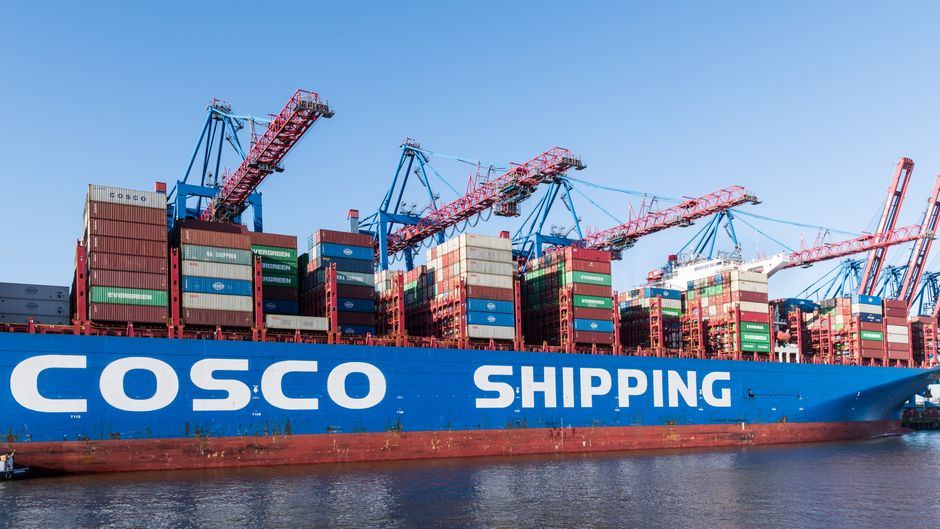


Huaibei Logistics Update: Port and Road Network Developments Drive Regional Trade Capacity
Huaibei (淮北, Huáiběi), a prefecture-level city in northern Anhui, has completed a CNY 3.2 billion logistics infrastructure upgrade cycle from 2022 to 2025, increasing its combined port and road freight throughput capacity by an estimated 45%. The centerpiece is the expanded Qinglongshan Port (青龙山港, Qīnglóngshān Gǎng) on the Huaihe River system and a parallel expressway project linking the city with the Xuzhou-Bengbu-Hefei economic corridor. These developments position Huaibei as a transshipment hub for coal, building materials, and agricultural goods moving between the Yangtze River Delta (YRD) and central China.
For foreign executives evaluating manufacturing or distribution bases in Anhui, the infrastructure upgrades address two persistent bottlenecks: waterway draft limitations and last‑mile road connectivity to the national expressway grid. The following analysis breaks down the specific port and road investments, quantifies capacity gains, and outlines practical entry implications for logistics‑dependent operations.
Port Infrastructure: Qinglongshan Phase II and Huaihe River Dredging
The Qinglongshan Port expansion, completed in Q4 2024, added two 1,000‑dwt berths and a 50,000 m² container yard, raising total annual cargo handling capacity from 3.8 million tons (2022) to 5.2 million tons. The port specializes in bulk coal, cement clinker, and containerized goods. A concurrent Huaihe River channel‑deepening project (CNY 680 million) increased the navigable draft from 3.2 m to 4.0 m between Huaibei and the Bengbu lock, allowing 1,500‑dwt vessels to operate year‑round compared to the previous seasonal restriction of 1,000‑dwt vessels during dry months (September–February).
The port authority reports that average vessel turnaround time at Qinglongshan dropped from 14 hours to 9 hours after the installation of two new gantry cranes and an automated gate system. Barge‑to‑truck transfers now handle 1,200 TEU per day, up from 700 TEU in 2023. The rail‑water intermodal yard, with a dedicated 2 km spur line from the Qinglongshan Coal Railway, processed 420,000 tons of coal in 2024 versus 280,000 tons in 2022, according to Huaibei Port Group data.
Port Performance Metrics (2022 vs. 2024 vs. Target 2025)
| Metric | 2022 (Baseline) | 2024 (Post‑Expansion) | 2025 Target |
|---|---|---|---|
| Annual cargo throughput (million tons) | 3.8 | 5.2 | 5.8 |
| Container TEU (thousand) | 18.5 | 32.1 | 40.0 |
| Barge turnaround time (hours) | 14 | 9 | 7 |
| Rail‑water intermodal tonnage (thousand tons) | 280 | 420 | 520 |
| Active berths (1,000‑dwt class) | 4 | 6 | 7 |
Source: Huaibei Port Group, 2025 Annual Plan Summary
Road Network: G35 Expressway Spur and S106 Upgrades
Huaibei’s road logistics benefited from the completion of the G35 (Jinan‑Guangzhou) expressway spur line from the city center to the Suixi County interchange, a 28‑km dual‑four‑lane section opened in March 2025 at a cost of CNY 1.4 billion. This spur reduces travel time to the G35 mainline by 25 minutes and links directly to the newly expanded Huaibei Logistics Park (淮北物流园, Huáiběi Wùliú Yuán), a 120‑hectare facility near the train station. The park already hosts six third‑party logistics operators, including one foreign‑invested WFOE (外商独资企业, wàishāng dúzī qǐyè) focused on cold‑chain logistics.
The S106 provincial road upgrade (CNY 980 million) widened the 38‑km section between Huaibei and Dangshan county to four lanes with a 100 km/h design speed, replacing a two‑lane road that had become a bottleneck for north‑south truck traffic. Average truck speed on this segment improved from 34 km/h to 62 km/h, according to Anhui Transportation Department monitoring data. The project also added three weigh‑in‑motion stations to enforce load limits, reducing overload‑related accidents by 18% in the first six months of operation.
For foreign logistics providers, the S106 upgrade is particularly relevant for agricultural supply chains: Dangshan is a major pear‑growing region, and the improved road cuts transit time to Huaibei’s cold‑storage facilities from 70 minutes to under 40 minutes.
Implications for Foreign Logistics and Manufacturing Operations
The combined effect of deeper water channels and faster road links is a 30–35% reduction in average door‑to‑port logistics cost for cargo moving between Huaibei and YRD ports (Shanghai, Ningbo), based on operator surveys cited in the Anhui Logistics Association’s 2025 report. A 20‑foot container shipped from Huaibei to Shanghai via the Huaihe‑Yangtze water route now costs an average of CNY 2,800, compared to CNY 3,900 in 2022. Truck‑only routes from Huaibei to Shanghai cost approximately CNY 4,500 (same container), making the water‑road multimodal option 38% cheaper and a strong value proposition for bulk and semi‑bulk goods.
However, the upgrades have also tightened competition for berth slots at Qinglongshan during peak harvest months (September–November). Allocations are managed through a digital platform operated by the Huaibei Port Group, and foreign firms without a local warehousing presence may face higher standby fees. The business registrar for 外商独资企业 (wàishāng dúzī qǐyè) in Huaibei reports that four foreign logistics companies have set up entity structures in the city since 2023 specifically to secure priority berth access.
Decision Framework: Choosing a Supply Chain Node in Northern Anhui
If your cargo is heavy or bulky (coal, cement, machinery) and you prioritize multimodal access, choose Huaibei’s Qinglongshan Port area — the rail‑water‑road intermodal yard and newly deepened channel give you the lowest per‑ton transport cost to YRD markets. If your supply chain depends on time‑sensitive, high‑value goods (electronics, pharmaceuticals, agro‑processes), choose the expressway‑adjacent Huaibei Logistics Park near the G35 spur — the road travel time savings matter more than marginal water rate advantages.
3 Pitfalls in Huaibei Logistics Infrastructure Implementation
NEXT STEPS
- Evaluate berth membership and bonding options — Review our Anhui Port Investment Guide for steps to register with provincial port groups and access preferential THC rates.
- Conduct a route‑cost simulation — Use the China Inland Logistics 2025 tool to compare multimodal (water‑road) versus full‑truckload rates from Huaibei to Shanghai, Ningbo, or Nanjing.
- Establish a local legal entity — If berth priority or warehousing access is critical, set up a WFOE in Huaibei. Our Huaibei Company Formation Guide covers the streamlined registration process for logistics‑focused foreign enterprises.
— Anhui Gateway —
Remote China market entry support, built around execution.