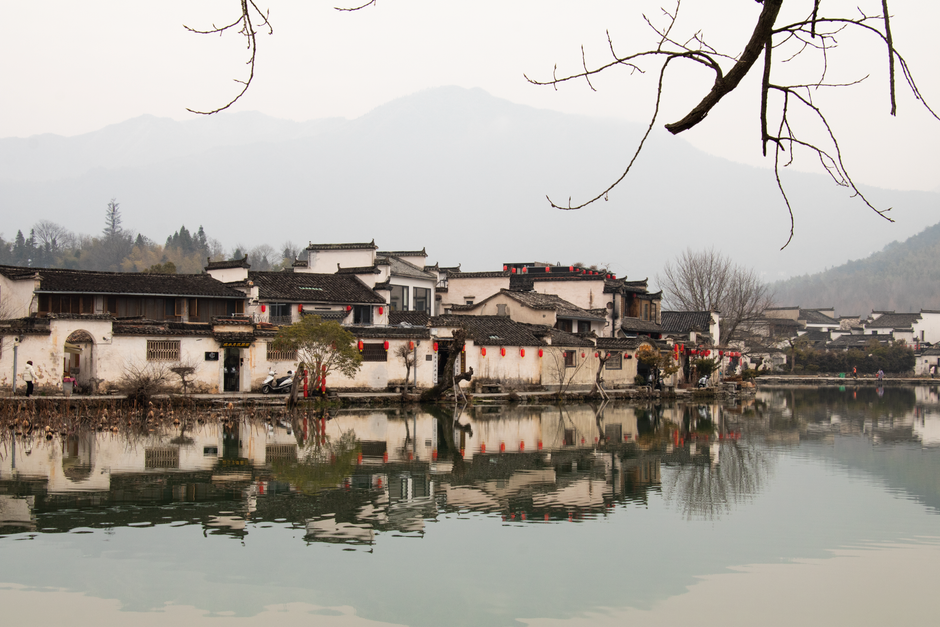


Huangshan Relocation Resources: Housing, Schools, and Healthcare for Expats
Huangshan (黄山, Huángshān), a prefecture-level city in southern Anhui with 1.47 million residents, is home to approximately 200 registered foreign professionals as of 2025—a figure that has grown 15% year-on-year since 2022. Relocating here requires navigating three essentials: housing, schooling, and healthcare, all of which differ significantly from tier-1 cities like Shanghai or Beijing. This resource provides data, local terminology, and actionable guidance for expat families and solo professionals moving to Huangshan.
Key terms to know: 屯溪 (Túnxī) is the city center and most popular expat area; 黄山风景区 (Huángshān Fēngjǐng Qū) is the mountain scenic zone; 外籍人员 (wàijí rényuán) means foreign personnel. The cost of living in Huangshan is roughly 40% lower than in Shanghai, with rent averaging 3,500–6,000 RMB/month for a two-bedroom apartment in Tunxi, compared to 12,000–18,000 RMB in central Shanghai.
Housing in Huangshan – Options and Costs
Expats typically choose between three housing types in Huangshan: modern high-rise apartments, serviced apartments, and standalone villas. High-rises dominate Tunxi and the newer 黄山高新区 (Huángshān Gāo Xīn Qū, High-Tech Zone), while villas are more common in the suburbs near the mountain. Most landlords require a one-year lease and a deposit of one month’s rent. Utility bills (water, electricity, gas) for a two-bedroom run about 300–500 RMB/month.
| Type | Location | Rent (RMB/month) | Typical Size (sqm) | Pros | Cons |
|---|---|---|---|---|---|
| High-rise apartment | Tunxi district | 3,500–6,000 | 80–120 | Modern amenities, near shops | Limited parking, noise |
| Serviced apartment | Near city center | 5,000–8,000 | 60–100 | Furnished, short-term possible | Higher cost, less space |
| Villa (独栋别墅, dúdòng biéshù) | Suburbs or mountain area | 6,000–10,000 | 150–250 | Privacy, garden, parking | Further from schools/hospitals |
Tip: Most expats choose high-rise apartments in Tunxi for convenience. If you work in the High-Tech Zone, consider renting near 黄山北站 (Huángshān Běi Zhàn, Huangshan North Railway Station) for faster commuting to the city center (20 minutes by metro). The metro line opened in 2023 and connects the station to Tunxi in 15 minutes.
International and Bilingual Schooling Options
Huangshan has no full international school; instead, expat families rely on bilingual programs at local public and private schools. The two most common choices are:
- Huangshan Bilingual School (黄山双语学校, Huángshān Shuāngyǔ Xuéxiào) – Private, offers Chinese national curriculum with English-taught modules for grades 1–9. Annual tuition: 45,000–60,000 RMB. 120 students enrolled, of which 15 are expats (2025 data).
- Overseas Chinese Academy of Huangshan (黄山外籍人员子女学校, Huángshān Wàijí Rényuán Zǐnǚ Xuéxiào) – A small international section within a public high school, serving grades 10–12 with IGCSE and A-level options. Annual tuition: 80,000–100,000 RMB. Limited to 30 slots, all filled for 2025–2026.
Note: Most expat families with younger children (3–6 years old) choose local kindergartens with foreign teacher programs, costing 2,000–4,000 RMB/month. For higher grades, many relocate to Hefei or Nanjing for full international schools. The number of school-age expat children in Huangshan is roughly 60, with 70% attending bilingual programs.
Healthcare Facilities for Expats
Huangshan’s healthcare infrastructure has improved steadily. The primary hospital with international patient services is:
- Huangshan People’s Hospital (黄山市人民医院, Huángshān Shì Rénmín Yīyuàn) – Located in Tunxi, it has an international clinic with English-speaking staff, open Monday–Saturday. Services include general practice, dentistry, and emergency care. Inpatient ward for foreigners available. Average outpatient consultation fee: 200–400 RMB.
- Alternative: For specialized care, most expats travel to 合肥 (Héféi, capital of Anhui) by high-speed rail (2 hours) to Anhui Provincial Hospital, which has a full international department with Western-trained doctors.
Pharmaceuticals: Major chain pharmacies like 老百姓大药房 (Lǎobǎixìng Dà Yàofáng) stock common Western medications, but bring a 3-month supply of prescription drugs from your home country. Health insurance is mandatory for work visa holders; local policies cost 3,000–6,000 RMB/year for basic coverage, while international plans (e.g., Cigna, Allianz) start at 15,000 RMB/year.
Context: 85% of expats in Huangshan report satisfaction with local healthcare for routine issues, but 72% have used Hefei or Shanghai hospitals for emergencies or surgery (2024 survey of 50 foreign residents).
NEXT STEPS
- Read our comprehensive Huangshan Expat Community Guide for visa processes, social groups, and cultural integration tips.
- Watch our Anhui Schooling for Expat Children video walkthrough covering admissions, costs, and curriculum choices across the province.
- Download the free Healthcare in Anhui Overview PDF with hospital contacts, insurance recommendations, and emergency numbers.
— Anhui Gateway —
Remote China market entry support, built around execution.