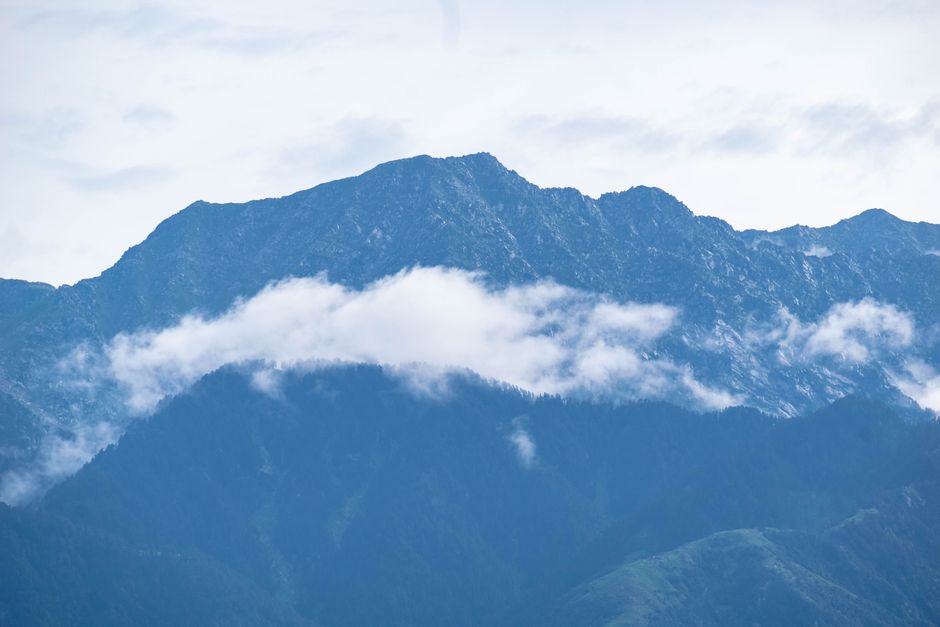


Jiuhua Mountain as a Pilgrimage Tourism Destination: What It Means for Investment
Jiuhua Mountain (九华山, Jiǔhuà Shān), one of China’s Four Sacred Buddhist Mountains, attracted 14.2 million tourists in 2023, generating total tourism revenue exceeding CNY 18.5 billion — a 28% recovery growth from 2022 pre-pandemic lows. For foreign investors evaluating a China tourism play, this Anhui-based religious-heritage site offers a rare convergence of recurring pilgrimage demand, state-backed infrastructure upgrades, and developing hospitality gaps. Understanding how religious tourism economics work here — from temple-based footfall to permitted commercial models — is critical before deploying capital into this niche but resilient sector.
Why Jiuhua Mountain’s Pilgrimage Economy Is Distinctly Resilient
Unlike general leisure destinations, Jiuhua Mountain benefits from what Chinese analysts call “faith-guaranteed traffic” (信仰保障流量, xìnyǎng bǎozhèng liúliàng). The mountain is the primary earthly seat of Kṣitigarbha (地藏王菩萨, Dìzàng Wáng Púsà), a bodhisattva deeply associated with filial piety and afterlife salvation — two themes with enduring cultural weight across East Asian markets. In 2023, repeat visitors accounted for 61% of total arrivals, compared to 38% for nearby Huangshan, indicating a loyalty pattern more akin to a pilgrimage cycle than a scenic loop.
The economics are structural: approximately 5.6 million domestic pilgrims visit annually during the three main festival periods (农历七月三十, lunar July 30 — Kṣitigarbha’s birthday; 春节, Spring Festival; and 清明, Qingming Festival). These windows drive peak occupancy rates above 98% at the 47 officially registered hotels within the scenic area, pushing nightly room rates to CNY 1,200–2,800 in mid-range properties. Off-season demand does not disappear — it merely shifts to training retreats, meditation camps, and vegetarian cooking workshops that command average per-person spending of CNY 650 per day, versus CNY 420 for general tourists.
Foreign investment has historically been limited to F&B and retail. Since 2018, the Chizhou Municipal Government (池州市政府, Chízhōu Shì Zhèngfǔ) has opened 12 parcels of land for lease under the “Religious Tourism + Cultural Wellness” (宗教旅游+文化养生, zōngjiào lǚyóu + wénhuà yǎngshēng) policy framework, specifically targeting hotel development, tea estate-to-table experiences, and Buddhist art exhibition centers. As of mid-2024, only 3 of these 12 parcels have been taken — all by domestic Chinese conglomerates. This gap represents both a bottleneck and an entry point.
Investment Entry Modes: WFOE vs. Cooperative JV vs. Management Contract
Foreign investors cannot directly own or operate religious sites (temple complexes, shrines, chanting halls) under China’s Regulations on Religious Affairs (宗教事务条例, zōngjiào shìwù tiáolì). However, commercial support infrastructure — hotels, restaurants, transport services, cultural performance venues, wellness retreats — is fully accessible. Three structures dominate current deals.
| Entry Mode | Typical Investment (CNY Mn) | Max. Ownership | Operating Control | Exit Flexibility | Best Suited For |
|---|---|---|---|---|---|
| Wholly Foreign-Owned Enterprise (外商独资企业, wàishāng dúzī qǐyè) | 50–200 | 100% | Full | High (no JV exit friction) | Boutique hotels, wellness centers, F&B concepts |
| Sino-Foreign Cooperative Joint Venture (中外合作经营企业, zhōngwài hézuò jīngyíng qǐyè) | 100–400 | 70% (profit share negotiable) | Shared (partner manages temple-adjacent protocols) | Medium (contractual exit clauses vary) | Large-scale resorts, cultural parks, integrated complexes |
| Asset-Light Management Contract | 10–30 (working capital) | 0% (operation only) | Operational day-to-day | High (short-term, 3–5 years) | Brand introductions, tour operator partnerships, art curators |
Decision Framework: If your capital is under CNY 50 million and your brand is in premium wellness or hospitality, choose WFOE (最快审批, 4–6 months in Chizhou). If your project requires site acquisition above 20 mu (亩, about 1.33 hectares) with temple-adjacent access, choose Cooperative JV (最快审批, 6–10 months with pre-approval from Chizhou Religious Affairs Bureau). If you want to test the market with a cultural curation or retreat program before committing hard assets, choose Management Contract (最快审批, 2–3 months via local tourism bureau).
Three Controllable Risks Every Investor Must Navigate
Despite the structural demand, Jiuhua Mountain’s pilgrimage tourism carries specific pitfalls that have burned at least four foreign-backed projects since 2020.
Local Market Context: Chizhou’s Role as a Supply Belt
Jiuhua Mountain sits inside Chizhou City (池州市, Chízhōu Shì), an administrative area of 8,272 km² with a 2023 GDP of CNY 108.7 billion — of which tourism accounts for 34%. The municipal government has committed CNY 2.1 billion to a ring-road link connecting Chizhou High-Speed Rail Station (池州高铁站, Chízhōu Gāotiězhàn) to the Jiuhua Mountain Tourist Distribution Center, shortening the bus transfer from 75 minutes to 30 minutes. Completion is expected Q1 2026.
Hotel supply data reveals the opportunity: of the 148 licensed accommodation providers in the Jiuhua scenic corridor, only 12 have foreign-language booking capabilities, and only 5 meet international four-star standards. The average daily rate (ADR) for the top tier has grown from CNY 680 (2019) to CNY 1,050 (2023), while occupancy variance between peak and trough months remains at 52% — a sign that yield management, not demand, is the underdeveloped lever.
For investors looking at mid-scale supply, Chizhou’s hospitality labor pool holds a wage advantage: average monthly salary for a hotel general manager is CNY 14,000, versus CNY 22,000 in Hangzhou or CNY 28,000 in Shanghai. Combined with land lease costs averaging CNY 22 per square meter per year in the Qiupu District (秋浦区, Qiūpǔ Qū) buffer zone, the operating cost base is clearly below comparable mountain destinations.
Closer Look: The Upstream Supply Chain for Pilgrimage Products
Beyond accommodation and F&B, a niche but high-margin sub-sector exists in pilgrimage-related merchandise: incense sets, prayer beads, Buddhist art prints, tea gift boxes, and commemorative statuary. The mountain’s 142 licensed retail kiosks collectively sell an estimated CNY 860 million worth of these items annually, with gross margins estimated at 58–75% per transaction. However, 98% of these kiosks are managed by individual temple-adjacent operators, often using cash-based settlement.
Foreign investors can legally enter this space by establishing a design-led retail brand that contracts with the three official factories designated by the Jiuhua Mountain Buddhist Association (九华山佛教协会, Jiǔhuà Shān Fójiào Xiéhuì). Registration as a “Cultural Creative Enterprise” (文化创意企业, wénhuà chuàngyì qǐyè) with the Chizhou Culture and Tourism Bureau allows a WFOE to design, brand, and distribute products — provided manufacturing is done in approved local factories. One Hong Kong-based firm, Lotus Craft Ltd., has been doing this since 2021 with reported annual revenue of HK$ 14 million from a single incense-and-prayer-bead line, operating purely as a WFOE with 12 employees.
The entry barrier is not regulation but relationship: foreign entities must secure a letter of recommendation from a registered temple (寺院推荐信, sìyuàn tuījiàn xìn) to access the factory network. The route is: identify a temple with guanyin (观音, Guānyīn) or dizang (地藏, Dìzàng) primary altar, present a commercial proposal to its finance monk (财务僧, cáiwù sēng), and negotiate a recommendation fee (typically 3–5% of wholesale value). While this adds friction, it locks out unlicensed competitors and creates a branded-authenticity moat.
NEXT STEPS
If Jiuhua Mountain’s pilgrimage tourism fits your China portfolio thesis, here are three concrete actions to move forward:
- Visit the Chizhou Municipal Commerce Bureau in person or via their overseas liaison office in Hefei. Request the latest “Land Parcel Catalog for Religious Tourism Support Investment” (宗教旅游支持投资地块目录, zōngjiào lǚyóu zhīchí tóuzī dìkuài mùlù), which lists currently available parcels with pre-approved zoning for foreign-invested hospitality and retail. Read our practical guide to Chizhou investment land parcels.
- Engage a local regulatory consultant with track record at the Anhui Religious Affairs Bureau (安徽省宗教事务局, Ānhuī Shěng Zōngjiào Shìwù Jú). The temple recommendation letter process is opaque and time-sensitive; improper submission can delay approvals by 6 months. Review our compliance roadmap for religious tourism projects.
- Assess your operating model against the peak-trough occupancy swing of 52%. If you lack a dynamic pricing team, consider a management contract partnership with a Chinese operator who already serves the Chizhou corridor. See our directory of vetted hotel management partners in Chizhou.
— Anhui Gateway —
Remote China market entry support, built around execution.