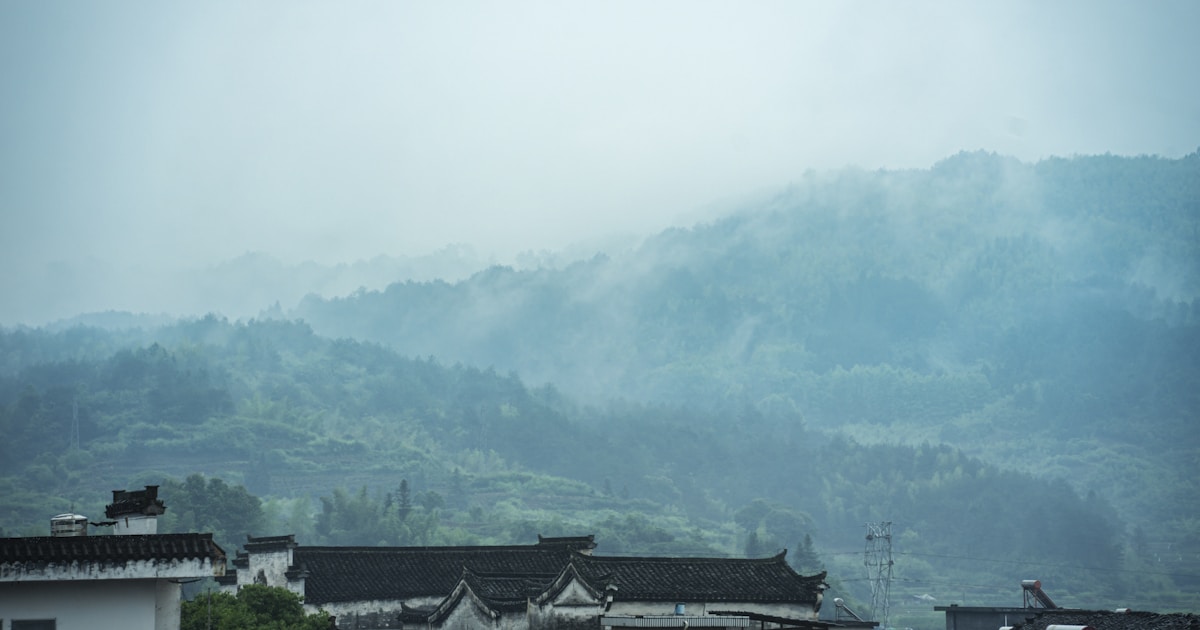


Banking in Anhui Province, China — key insights for foreign investors and businesses.
Living in Anhui In-Depth Review: A 5-Dimension Analysis (2026)
Anhui Province has rapidly transformed from a traditional agricultural base into a modern, dynamic hub for advanced manufacturing, technology, and livable urban development. For international business professionals and investors considering relocation or expansion into China’s interior, Anhui—anchored by the twin engines of Hefei and the Yangtze River Delta integration—offers a compelling proposition. This review dissects the quality of living in Anhui across five critical dimensions, providing data-driven insights for decision-makers.
1. Housing & Real Estate: Affordability Meets Modern Infrastructure
The residential market in Anhui presents a stark contrast to the overheated markets of Shanghai or Beijing. In Hefei, the provincial capital, the average price for high-end residential property in central districts (e.g., Baohe, Shushan) stands at approximately ¥22,000 per square meter, roughly 60% lower than comparable areas in Nanjing or Hangzhou. For expatriates, serviced apartments in international-standard complexes like the “Hefei Swan Lake Business District” rent for ¥8,000–¥15,000 per month for a 120 sqm unit, including gym and concierge services. Outside Hefei, in secondary cities like Wuhu or Ma’anshan, purchase prices drop to ¥8,000–¥12,000 per sqm, offering exceptional value. The provincial government’s “Smart City” initiative has resulted in over 85% of new residential communities in Hefei being equipped with fiber-optic internet, smart security, and EV charging stations as of early 2026.
2. International Education & Healthcare: Expanding Capacity
Access to quality international schools and healthcare is a top priority for foreign talent. Anhui has aggressively addressed this gap. Hefei now hosts three full-IB curriculum international schools, including the Hefei No.1 International Campus and the Canadian International School of Hefei, with total enrollment capacity exceeding 2,500 students. Tuition for Grade 1-12 ranges from ¥120,000 to ¥250,000 per year, about 30-40% less than comparable schools in Beijing. In healthcare, the Anhui Provincial Hospital and the First Affiliated Hospital of USTC have established dedicated international clinics with English-speaking staff. A key data point: the number of JCI-accredited hospitals in the province has grown from 2 in 2020 to 6 in 2026, including the new “Hefei Boao International Medical Center” which opened in Q1 2026.
3. Transportation & Connectivity: The Delta Hub
Anhui’s geographical position makes it a logistical and commuting nexus. Hefei’s Xinqiao International Airport now operates direct flights to 15 international destinations, including Singapore, Seoul, Frankfurt, and a new daily service to London Heathrow launched in March 2026. The high-speed rail network is transformative: the commute from Hefei South Station to Shanghai Hongqiao is 2 hours 15 minutes, and to Nanjing is under 1 hour. Within the province, the metro system in Hefei has expanded to 8 operational lines covering 200 km, with a fare cap of ¥7 per trip. For car owners, expressway density has reached 5.8 km per 100 sqkm, above the national average, facilitating easy travel to scenic areas like Huangshan or the ancient villages of Xidi and Hongcun.
4. Cost of Living & Taxation: A Competitive Edge
For foreign investors, the cost of living in Anhui is significantly lower than in Tier-1 cities while maintaining a high standard. A comprehensive monthly budget for a family of three (excluding rent) in Hefei averages ¥8,000–¥12,000, compared to ¥18,000+ in Shanghai. Grocery costs are particularly attractive: a basket of international staples (imported pasta, olive oil, cheese, and fresh produce) costs approximately ¥1,200 per month at stores like Sam’s Club or BHG. Utility costs (electricity, water, gas, internet) for a 120 sqm apartment average ¥600 per month. Furthermore, Anhui offers a 15% preferential corporate income tax rate for qualifying “High-Tech Enterprises” in its industrial parks, which indirectly benefits employee compensation packages through enhanced company benefits.
5. Lifestyle & Green Space: Beyond the Factory Floor
Quality of life extends beyond work. Hefei has been recognized as a “National Forest City” with a green coverage rate of 42.5% in built-up areas. The iconic “Hefei Binhu Wetland Forest Park” spans 1,200 hectares, larger than New York’s Central Park, offering cycling paths, bird-watching, and water sports. For entertainment, the “Anhui Grand Theatre” and “Hefei 1912 Cultural Block” host international performances and dining. The province’s air quality has improved markedly; the number of “good air quality” days in Hefei reached 285 days in 2025, up from 220 in 2020. For weekend getaways, the world-famous Huangshan (Yellow Mountain) is a 1.5-hour high-speed rail ride from Hefei.
Pros & Cons
Pros
- Exceptional Value: Housing costs 40-60% lower than Shanghai/Nanjing, with modern amenities.
- Strategic Connectivity: Direct international flights and high-speed rail linking to all major Yangtze River Delta cities.
- Growing International Infrastructure: Rapidly expanding international schools and JCI-accredited hospitals.
- Cleaner Environment: Significant improvements in air quality and abundant urban green spaces.
- Business-Friendly Policies: Tax incentives and dedicated foreign investor service centers in all major development zones.
Cons
- Limited Expatriate Density: The foreign community is smaller than in Beijing or Shanghai, which can affect networking opportunities and availability of niche services.
- Cultural Adjustment: While Hefei is cosmopolitan, smaller cities have limited English signage and international dining options.
- Air Quality Fluctuations: Despite improvements, winter heating season (Nov-Feb) still sees occasional PM2.5 spikes above WHO guidelines.
- Higher Imported Goods Cost: Specialty international items (e.g., specific baby formula, certain electronics) can be 15-25% more expensive than in Tier-1 coastal cities.
Who It’s For
This living environment is ideally suited for:
- Manufacturing & R&D Investors: Executives and engineers in the new energy vehicle (NEV), semiconductor, and AI sectors, where Anhui is a national leader.
- Supply Chain Managers: Professionals needing efficient access to Shanghai port and the entire Yangtze River Delta industrial base.
- Cost-Conscious Multinationals: Companies seeking to relocate talent from high-cost coastal cities without sacrificing modern infrastructure.
- Long-Term Assignees: Families who value space, green living, and a slower pace than megacities, but still want excellent schools and healthcare.
- First-Time China Investors: Those looking for a supportive government environment with lower entry costs and clear industrial policies.
Source: Anhui Provincial Bureau of Statistics 2025 Annual Report; Hefei Municipal Housing Authority Data; JCI Accreditation Database; Ministry of Ecology & Environment 2025 Air Quality Index; Anhui International School Consortium Data | July 2026