

Introduction: Defining the Logistics Challenge for Anhui Trade
For foreign executives managing supply chains involving Anhui Province (安徽省, Ānhuī Shěng), the choice between sea, air, and rail freight is a critical decision that directly impacts cost, speed, and reliability. A well-optimized logistics strategy can reduce total landed costs by up to 12–18% compared to a one-size-fits-all approach, according to a 2023 study by the Anhui Provincial Department of Commerce. This comparison provides a data-driven framework to help you decide which mode—or combination of modes—best serves your cargo profile, budget, and time constraints when trading with and from Anhui.
Anhui’s inland geography makes logistics inherently different from coastal provinces like Zhejiang or Jiangsu. While sea freight remains the backbone of global trade by volume, air freight offers speed for high-value goods, and rail freight provides a strategic middle ground. Understanding how each mode performs for Anhui’s specific industrial outputs—from electronics and auto parts to textiles and machinery—will enable more informed, profitable decisions.
Sea Freight (海运, hǎiyùn): The Cost-Effective Foundation for Bulk Cargo
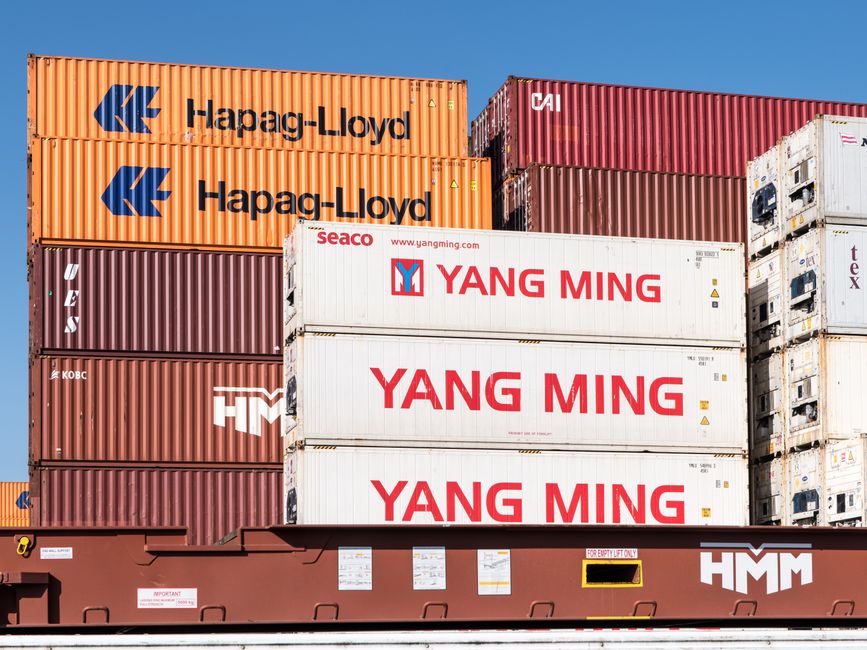
Sea freight is the dominant mode for Anhui’s heavy and bulk commodities, accounting for approximately 85% of the province’s export volume by weight. For cargo that is not time-sensitive, such as steel products, construction materials, and large machinery, ocean shipping remains the most cost-efficient option, with rates typically $0.50–$1.50 per kilogram for full container loads (FCL) from Shanghai to major European or U.S. ports.
However, Anhui’s inland position adds logistical complexity. The province relies on feeder routes via the Yangtze River system and trucking to reach deep-sea ports in Shanghai, Ningbo, and Xiamen. This intermodal leg adds 2–4 days of transit time and $200–$500 per container in additional costs compared to a coastal factory. For example, a 40-foot container from Hefei (合肥, Héféi) to Shanghai costs roughly $400–$600 for trucking, plus terminal handling fees—a cost that foreign buyers often underestimate in total landed cost calculations.
Reliability is generally high for sea freight, but the total door-to-door transit time from Anhui to a U.S. West Coast port averages 30–40 days, and to Europe (Rotterdam) about 35–45 days. This mode is best suited for products with low value-to-weight ratios, large volumes, and lead-time flexibility. For foreign execs sourcing commodities like steel or glass from Anhui, sea freight is the clear default choice.
It is important to note that sea freight capacity from Shanghai and Ningbo is stable, but seasonal peaks (e.g., pre-holiday rushes) can cause space shortages. Using a freight forwarder with strong relationships in Anhui’s inland logistics network can mitigate these risks.
Air Freight (空运, kōngyùn): Speed for High-Value and Perishable Goods
Air freight is the premium solution for cargo that demands speed—transit times from Hefei Xinqiao International Airport (合肥新桥国际机场, Héféi Xīnqiáo Guójì Jīchǎng) to major global hubs like Hong Kong, Seoul, or Frankfurt typically take 3–7 days. This mode carries only about 1% of Anhui’s export volume but accounts for nearly 20% of the export value, reflecting its critical role for electronics, automotive components, pharmaceuticals, and emergency replacement parts.
Cost per kilogram for air freight from Hefei is $4–$8 per kilogram for general cargo, but rates can spike to $10–$15 for heavy or oversized items. For a typical 500-kilogram shipment of electronic components from Hefei to Chicago, the air freight cost might be $3,000–$4,000, while sea freight would be $250–$750 but with 35–45 days transit. The decision comes down to whether the product’s time value justifies the premium.
Anhui’s air cargo infrastructure has improved significantly. Hefei Airport handled 180,000 tons of air cargo in 2023, with dedicated freighter routes to major markets. However, capacity is still limited compared to coastal hubs, and direct flights to some destinations remain inconsistent. For example, while there are daily flights to Hong Kong and Seoul, cargo to Latin America may require transshipment via Shanghai or Guangzhou, adding 1–2 days.
For perishable goods like medical supplies or fresh agricultural products (e.g., tea from Huangshan), air freight is the only viable option. The higher cost is offset by reduced spoilage and faster time-to-market. Foreign execs importing time-sensitive components from Anhui should plan for air freight as a strategic tool, not a default choice.
Rail Freight (铁路运输, tiělù yùnshū): The Growing Middle Ground
Rail freight from Anhui is the fastest-growing mode, with the China-Europe Railway Express (中欧班列, Zhōng-Ōu Bānliè) from Hefei providing a 15–20 day transit time to major European destinations like Hamburg, Duisburg, and Moscow. This mode offers a cost advantage over air freight (typically $1.50–$3.00 per kilogram) while being faster than sea freight—roughly half the transit time.
In 2023, the Hefei rail terminal dispatched over 600 trains, carrying 55,000 TEUs of cargo—a 40% increase year-on-year. This growth is driven by Anhui’s expanding manufacturing base in electronics and auto parts, where the middle ground between speed and cost is most valued. For example, a shipment of electric vehicle batteries from Hefei to Germany takes 18 days by rail versus 40 days by sea and costs 60% less than air freight.
The reliability of rail freight has improved, with a 95% on-time arrival rate for the Hefei–Hamburg route. However, capacity is still constrained, and booking ahead by 2–3 weeks is essential. Rail is ideal for goods with a moderate value-to-weight ratio, such as machinery, automotive parts, and certain electronics, where the balance of speed and cost meets strategic needs.
For U.S. destinations, rail freight is less relevant due to the lack of direct transcontinental rail routes from Anhui. However, rail can still be used as part of a multimodal strategy: truck Anhui cargo to Shanghai, then sea freight to the U.S. West Coast, but this hybrid approach does not offer time savings. For European trade, rail is a compelling alternative that many foreign execs serving that market should evaluate seriously.
Comparative Decision Framework: Which Mode for Your Cargo?
To simplify the choice, consider the following parameters: cargo value density (USD per kilogram), weight, time sensitivity, and destination. The table below provides a quick-reference comparison:
| Parameter | Sea Freight | Air Freight | Rail Freight |
|---|---|---|---|
| Cost per kg | $0.50–$1.50 | $4.00–$10.00 | $1.50–$3.00 |
| Transit time (Anhui to Europe) | 35–45 days | 3–7 days | 15–20 days |
| Capacity per shipment | Unlimited (FCL/LCL) | Limited by weight/dimensions | 40–50 TEU per train |
| Reliability | Moderate (weather, port congestion) | High | High (95% on-time) |
| Best for | Steel, machinery, textiles | Electronics, pharma, emergency parts | Auto parts, electronics, machinery |
As a rule of thumb, if the cargo value is above $50 per kilogram and time-to-market is critical, air freight is justified. For cargo valued between $10 and $50 per kilogram destined for Europe, rail offers the best balance. For cargo below $10 per kilogram, sea freight is the most cost-effective. This framework helps foreign execs align their logistics spend with their product margins.
NEXT STEPS: Three Decision-Path Recommendations
- Audit your cargo profile by value density and time sensitivity. Begin by categorizing your Anhui-sourced products into three tiers: (1) high-value, time-critical cargo (use air freight); (2) medium-value, moderately time-sensitive cargo (use rail for Europe, or sea for North America); (3) low-value, non-urgent cargo (use sea freight). This simple triage will immediately streamline your logistics selection and optimize cost-service balance.
- Engage a freight forwarder with Anhui inland expertise. The complexity of Anhui’s intermodal connections—especially for sea freight via Shanghai port and rail from Hefei—requires a partner who understands local trucking rates, rail booking deadlines, and air cargo consolidation options. A forwarder with a physical office in Hefei or Wuhu can reduce inland logistics costs by 8–12% compared to using a coastal-only provider.
- Test hybrid models for strategic flexibility. Consider a multimodal approach that combines rail or truck for the Anhui-to-port leg, then sea for the long haul, or sea plus air for time-sensitive splits. For example, a 60% sea / 40% air split on a container from Hefei to Chicago can achieve a 25-day average transit time at a blended cost of $2.50–$3.50 per kilogram—competitive with rail and faster than all-sea. Run a pilot program with a single product line to validate the model.
By systematically applying these steps, foreign executives can move beyond a generic logistics approach and develop a tailored strategy that leverages Anhui’s strengths—its manufacturing base, infrastructure investment, and growing rail network—while minimizing risk and cost.