

What Huizhou cultural festivals should foreign visitors attend in Anhui?
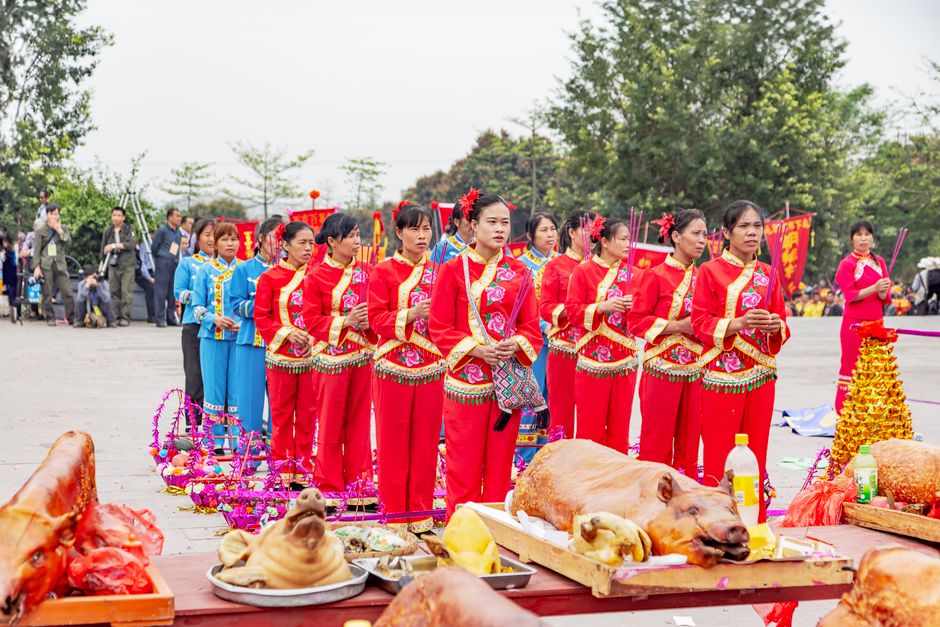
Huizhou (徽州, Huīzhōu) in southern Anhui hosts over 18 major cultural festivals annually, ranging from ancient fish lantern parades to intricate butterfly dances. These events, many dating back 600–800 years, offer foreign visitors rare access to living traditions preserved in UNESCO-protected villages like Xidi and Hongcun. For executives scouting cultural tourism investments or seeking immersive business networking, understanding these festivals provides a unique window into local heritage, community engagement, and the region’s ¥1.8 billion annual cultural tourism economy (2023 figure).
Major seasonal festivals in Huizhou
Huizhou’s festival calendar follows the lunar cycle, with peak seasons in spring and autumn when weather is mild. The most renowned event is the Shexian Wangyou Fish Lantern Festival (歙县汪满田鱼灯, Shèxiàn Wāngmǎntián Yúdēng), held on the 13th–16th day of the first lunar month (usually February). This 300-year-old tradition features giant paper fish—some exceeding 5 meters—carried through narrow alleys by dozens of villagers. In 2024, attendance topped 52,000, a 14% increase from 2023, driven by social media coverage and improved tourism infrastructure.
A second pillar is the Yansi Butterfly Dance (岩寺蝴蝶舞, Yánsì Húdiéwǔ), performed during the Lantern Festival (15th day, 1st lunar month). This 600-year-old folk dance mimics butterfly movements with silk costumes and bamboo frames. Performers train for 6–8 weeks ahead of the event, and the dance is recognized as a provincial intangible cultural heritage (省级非物质文化遗产, shěngjí fēiwùzhì wénhuà yíchǎn). Foreigners interested in participatory experiences can join workshops 3 days prior (¥200 per person) to learn basic steps.
Autumn brings the Xidi Harvest Festival (西递丰收节, Xīdì Fēngshōu Jié) in late September, celebrating the rice and tea harvests. The village of Xidi, a UNESCO World Heritage Site, attracts 1.2 million tourists annually, with the harvest festival drawing about 85,000 visitors during its 7-day run. Activities include tea-picking contests, traditional opera performances, and architectural tours of 124 preserved Ming and Qing dynasty homes. For business visitors, these tours often involve discussions on heritage conservation costs, which average ¥3,000 per square meter for restoration work.
Best festivals for foreign visitors
For executives with limited time, three festivals stand out for accessibility and cultural depth. The Huizhou Ancient City Cultural Festival (徽州古城文化节, Huīzhōu Gǔchéng Wénhuā Jié) runs for 5 days in April at the Shexian county seat. This event includes English-guided tours of the 600-year-old city wall, calligraphy demonstrations, and a business networking reception hosted by the local tourism bureau. In 2023, the festival attracted 28 foreign delegates from 6 countries, including Japan, Germany, and the United States.
The Hongcun Lantern Parade (宏村灯会, Hóngcūn Dēnghuì) in August is another top choice, set against the village’s iconic moon pond and 200-year-old merchant mansions. This event is less crowded than spring festivals, with about 12,000 attendees, and offers photography opportunities that have been featured in National Geographic and BBC Travel. Visas and entry permits for Hongcun are straightforward; foreign pass holders pay a ¥104 single-entry fee, though executives staying longer can opt for a ¥365 annual pass covering 10+ villages.
Finally, the Qimen Black Tea Festival (祁门红茶节, Qímén Hóngchá Jié) in May offers a niche focus for food and beverage investors. Qimen county produces China’s famous Keemun black tea, and the festival includes tea-tasting competitions, plantation tours, and export seminars. In 2024, the festival attracted 17 international buyers who signed contracts worth ¥12 million in total. For foreign visitors, the event provides direct access to 60+ tea producers and government officials from the Anhui Tea Bureau.
Practical tips for festival attendance
Planning a festival trip requires attention to lunar dates, accommodation, and local customs. The table below summarizes key events for the 2025–2026 cycle:
| Festival (Chinese, 中文) | Time (Lunar/Gregorian 2025) | Location | Key Activities | Visitor Accessibility |
|---|---|---|---|---|
| Shexian Wangyou Fish Lantern (歙县汪满田鱼灯) | 1st lunar month, days 13–16 (Feb 10–13) | Shexian County | Fish lantern parade, firecrackers, temple fair | Medium — no English signage |
| Yansi Butterfly Dance (岩寺蝴蝶舞) | 1st lunar month, day 15 (Feb 12) | Yansi Town | Silk butterfly dance, folk music, lantern making | High — workshop + English pamphlet |
| Huizhou Ancient City Festival (徽州古城文化节) | April 15–19 (fixed Gregorian) | Shexian County | City wall tours, calligraphy, networking | High — English guides + translator |
| Hongcun Lantern Parade (宏村灯会) | 8th lunar month, day 15 (Sep 30–Oct 2) | Hongcun Village | Lantern display, photography, boat rides | High — bilingual signs |
| Qimen Black Tea Festival (祁门红茶节) | May 20–24 (fixed Gregorian) | Qimen County | Tea tasting, plantation tours, export seminars | High — English broker support |
For accommodation, Shexian town has 3 international chain hotels (Holiday Inn, Mercure) with rates from ¥450–¥800 per night. During peak festival weeks, prices rise 35–50%, so booking 60 days ahead is recommended. Most villages lack direct rail access; the nearest high-speed station is Huangshan North (黄山北), from which taxis cost about ¥120–¥200 to Shexian or Hongcun. For executives, hiring a private driver (¥600/day) is common. If you are interested in immersive cultural experiences, choose the Shexian Fish Lantern Festival. If your focus is business networking and tea trade, choose the Qimen Black Tea Festival. If you seek accessible photography with minimal language barriers, choose the Hongcun Lantern Parade.
Language remains a key consideration. In Shexian and Yansi, less than 5% of vendors speak English, while Hongcun and Qimen boast rates of 20–30%. The local dialect, Huizhouhua (徽州话, huīzhōuhuà), used by older residents, differs markedly from Mandarin. Using a translation app (e.g., WeChat’s built-in translator) or hiring a student guide (¥300/day from Huangshan University) is advisable for deeper engagement.
Three pitfalls foreign visitors must avoid
NEXT STEPS
- Review our comprehensive guide: Huizhou ancient villages: architecture, investment & tourism potential to connect festival visits with property and business opportunities.
- Download the 2025 Huizhou cultural calendar for foreign visitors for exact dates, booking links, and English-fluent guides.
- Plan logistics with Shexian travel tips: where to stay and eat during festivals, including accommodation, transport, and dining recommendations.
— Anhui Gateway —
Remote China market entry support, built around execution.